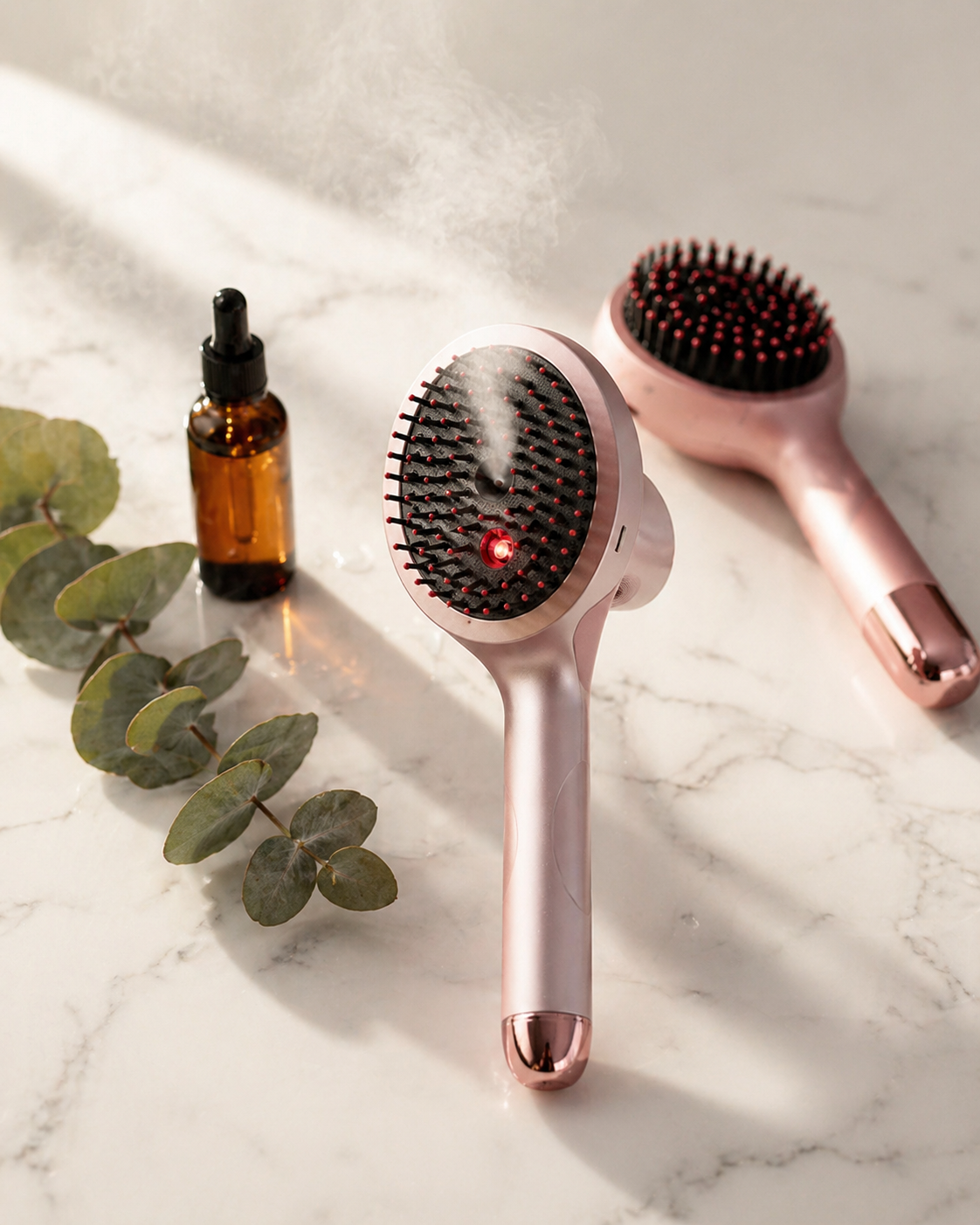
Most of us have spent years learning our skin — noticing when it feels dehydrated, when it looks congested, when a product finally clicks. Our scalp rarely gets that same attention, even though it is skin too, with its own texture, oil balance, and mood. That is where at-home scalp analysis comes in. Not diagnosing anything. Not chasing a problem. Just getting curious, gathering a few honest observations, and letting those observations shape a scalp care routine that actually fits you.
Before-and-after tracking is the quiet superpower here. When you check in with your scalp the same way each week, you stop guessing and start noticing. After a month or two, you have a personal record that tells you more about your scalp than any generic advice ever could.
What At-Home Scalp Analysis Actually Tells You
At-home scalp analysis is simply the practice of looking closely at your scalp — the part lines, the roots, the hairline, the crown — and noting what you see and feel. No lab coat required. Good light, a handheld tool, and a few unhurried minutes are enough to begin.
What you are gathering is context, not a verdict. Think of it as a beauty journal for your scalp: how oily the roots look two days after washing, whether the scalp feels tight or comfortable, whether flakes show up in winter and fade in summer, whether a new serum left things feeling balanced or a little irritated. Patterns are the point. Single snapshots rarely mean much on their own.
Three things worth watching over time
- Oil balance at the roots: Does your scalp look fresh 48 hours after washing, or does it feel heavy by day two? Neither is wrong — it is information.
- Comfort level: Tightness, itching, tingling, or a calm, comfortable scalp. Comfort is one of the most underrated signals in scalp care.
- Visible texture around the part: Density, flaking, redness, or product buildup. Look at the same section each time so comparisons stay fair.
A tool like the Rootli Scope AI-Connected Scalp & Follicle Analyzer makes this easier by giving you a closer, more consistent view of your scalp surface and follicles, so today’s check-in can be compared with last month’s. If you would rather start with something more guided, the The Glow Detection Set was built around checking scalp condition and turning those observations into a more intentional routine.
Shop the scalp ritual
-
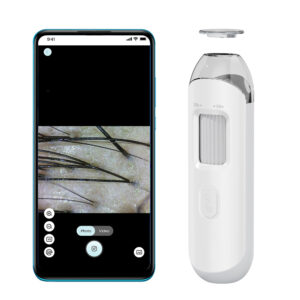
Rootli Scope AI-Connected Scalp & Follicle Analyzer
Price range: $158.00 through $178.00 Select options This product has multiple variants. The options may be chosen on the product page -
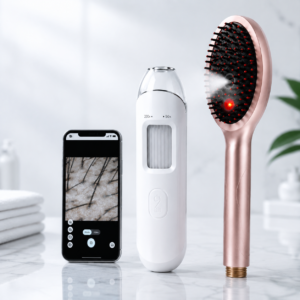
How to Build a Before-and-After Tracking Routine That Sticks
Tracking only works if it is easy enough to repeat. Most people quit because they try to document everything at once. Keep it small, keep it consistent, and let the record build itself.
Start with a baseline
Before you change a single product, capture where you are right now. Wash your hair as usual, let it dry naturally, and take a few close-up photos of your part line, hairline, and crown under the same light. Note the date. This is your baseline — the honest starting point you will compare everything else against. It also removes the temptation to judge progress by memory, which is famously unreliable.
Keep the conditions identical
Before-and-after only means something if the variables stay steady. Same lighting. Same room. Same day of your wash cycle. Same angle, roughly the same distance. If you use a scalp analyzer, use it on the same schedule. Small consistencies are what turn a pile of photos into a real before-and-after comparison.
- Weekly: a two-minute visual check and one photo of your usual part.
- Monthly: a fuller set of photos — part line, hairline, crown — plus a few notes on how your scalp felt.
- Seasonally: a longer written reflection. What changed with the weather, your routine, your stress levels?
Write down what you notice, not what you fear
It is easy to spiral when you stare at your scalp under magnification. Resist the urge to interpret every shadow as a crisis. Describe what you see in plain, neutral language: roots look oilier on day two than they did in March. Flaking is mostly along the front hairline. Scalp feels calmer since I started massaging it before washing. Neutral notes keep the ritual enjoyable, and enjoyable rituals are the ones that last.
One more note on expectations: scalp care is a slow-burn kind of beauty. Most people notice changes in how their scalp feels — calmer, more comfortable, less tight — before they notice anything visual. Give a new routine four to eight weeks before you judge it, and let your tracking notes be the tiebreaker.
How to Read Your Scalp Signals Without Overreacting
Once you have a few weeks of observations, themes start to appear. Here is how to think about the most common ones — always as beauty information, never as a diagnosis.
Roots that feel oily or congested
A scalp that looks shiny or feels heavy soon after washing is often simply producing more oil, which can be influenced by genetics, hormones, humidity, workout habits, and how much product you layer on. It is not a failure of your routine. What helps: shampooing the scalp rather than just the hair, keeping heavy conditioners off the roots, and giving the scalp a gentle massage to help loosen buildup. A weekly reset with a scalp-focused tool can make the whole thing feel less like a chore and more like a small luxury.
Dryness, tightness, and visible flaking
Tightness and flaking often show up with cold weather, hot showers, harsh cleansing, or a routine that has stripped more than it nourished. A balanced-feeling scalp usually responds well to gentler cleansing, less heat, and a lightweight serum applied directly to the scalp rather than the lengths. The Rootli Serum is designed for exactly that kind of daily, lightweight scalp care.
When a professional opinion is worth having
Tracking is a beauty ritual, not a medical one. If you notice sudden changes, persistent discomfort, painful areas, or shedding that worries you, that is a conversation for a dermatologist or physician — not a blog post and not a device. Your at-home notes can actually make that appointment more useful, because you will be able to describe what changed and when.
Matching What You Learn to a Scalp Care Ritual
The whole point of scalp analysis is that your routine stops being generic. Once you know how your scalp behaves, you can choose tools and steps that suit it — and then track whether they actually help.
If your scalp leans oily or congested
Look for cleansing that focuses on the scalp, plus regular massage to encourage circulation and loosen buildup. The Rootli Glow Comb Dual-Light Scalp Brush was made for daily brushing and scalp care, and it fits neatly into a routine you will actually keep up with. Pair it with the Rootli Stone Comb – Scalp Gua Sha for a five-minute massage before you wash.
If your scalp feels dry or tight
Gentle, tactile rituals tend to feel best here. The The Natural Ritual Set was created as a soft, hands-on scalp-care ritual, and the Rootli Serum Comb Serum-Infusing Scalp Massage Brush helps distribute serum evenly across the scalp instead of dropping it all in one spot.
If you want to track while you care
Some tools do double duty. The Rootli Pulse Pro – LED Light Cap offers hands-free red and blue light scalp care for a weekly wellness moment, while the The LED Power Duo pairs full-scalp LED coverage with targeted comb care. Either one gives you something consistent to log alongside your photos — a routine marker that makes your before-and-after timeline easier to read.
Your Scalp Deserves a Record, Not a Guess
Scalp analysis is not about becoming your own technician. It is about paying attention to a part of your body that has been quietly keeping up with you for years. Take the photos. Note the small things. Give your scalp the same curiosity you give your skin.
Start small this week: one photo, one honest sentence about how your scalp feels, one gentle step. If you want a clearer picture of where to begin, the The Rootli Diagnostic Pro was designed to help you understand your scalp before choosing a ritual, and the The Glow Detection Set turns that understanding into a routine you can track month after month. Healthy-looking hair starts with a scalp you actually know.