We check our face every morning—why not our scalp? The skin beneath your hair is just as dynamic, responding to everything from stress and diet to the weather outside. But unlike the face, it’s easy to overlook because, well, you can’t see it without a mirror and a bit of effort. That’s where an at-home scalp analysis becomes your secret weapon. By learning how to look at your scalp regularly, you can spot subtle shifts early, adjust your routine, and feel more connected to your hair’s overall well-being.
Think of it as a simple check-in with yourself. No clinical language or fancy equipment required—just curiosity and the right approach. In this guide, we’ll walk through why scalp analysis matters, how to do it without feeling overwhelmed, and which tools can help you track changes over time. The goal isn’t perfection; it’s awareness. And that awareness can transform how you care for your hair from the roots up.
Why At-Home Scalp Analysis Matters for Your Hair Journey
Your scalp is the soil for your hair. When it’s balanced—neither too dry nor too oily, with good circulation—your hair is more likely to look full and healthy. But because the scalp is hidden, it’s easy to miss early signals like slight redness, flakiness, or changes in texture. That’s why incorporating an at-home scalp analysis into your routine can be so empowering. You become the person who notices, who adapts, who gives their scalp the same thoughtful attention you give your face.
Tracking also helps you see patterns. Maybe your scalp feels tighter in winter, or oilier after a week of heavy styling. When you have a baseline—and a way to compare week to week—you can choose products and rituals that actually respond to what’s happening, not just what you assume. It’s not about diagnosing problems; it’s about understanding your unique scalp’s rhythm.
Shop the scalp ritual
-
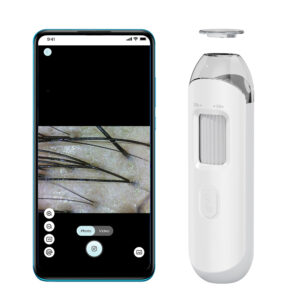
Rootli Scope AI-Connected Scalp & Follicle Analyzer
Price range: $158.00 through $178.00 Select options This product has multiple variants. The options may be chosen on the product page -
How to Conduct a Simple Scalp Check at Home
You don’t need a full spa setup to get started. A quiet moment, good lighting, and a handheld mirror are enough for a basic check. Here’s a simple, repeatable process:
Step 1: Find Your Light
Natural daylight is best. Sit near a window or use a bright, neutral lamp. Avoid overhead lighting that casts shadows—you want an even, clear view of your scalp.
Step 2: Section Your Hair
Use a comb or your fingers to part your hair in several places: down the middle, across the crown, and along the sides. This gives you a full map of your scalp’s condition.
Step 3: Observe and Take Notes
Look for areas that appear red, dry, oily, or flaky. Notice any bumps or sensitivity. Is the skin tight or relaxed? Does it look hydrated? Write down what you see or take a photo with your phone. Over time, these notes become a personal log.
Step 4: Feel the Surface
Gently run your fingertips across your scalp. Any rough patches, tenderness, or unusual textures? The sensation is as telling as the visual.
Do this check once a week, or whenever you feel your scalp needs a pulse. It takes five minutes and gives you a new kind of confidence in your hair care decisions.
Tools That Help You See and Track Scalp Changes
While your eyes and fingers are powerful, sometimes you want a closer look. That’s where smart tools come in. The Rootli Scope AI-Connected Scalp & Follicle Analyzer is like a mini dermatoscope for your bathroom. It connects to your phone, allowing you to view your scalp in high definition and even capture images to compare later. This makes tracking changes over time concrete and visual—you can see if redness is fading or if oiliness is shifting.
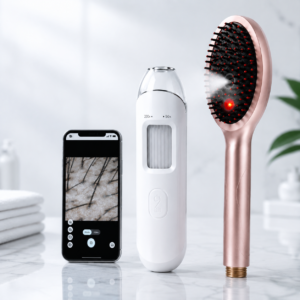
Another favorite is The Glow Detection Set, which pairs a gentle scalp-check tool with a guide to building a more intentional routine. It’s not just about seeing; it’s about understanding what you’re seeing and what to do next. Together, these tools turn your scalp from a mystery into a landscape you can navigate with ease.
Interpreting What You See: From Scalp Appearance to Your Next Routine Step
Once you’ve done your check, the real magic is in interpretation. Here’s a simple guide to common observations and what they might suggest:
- Redness or sensitivity: Could be a sign of irritation from products, environmental factors, or over-washing. Consider a gentler cleansing ritual or a soothing serum like Rootli Serum to support comfort.
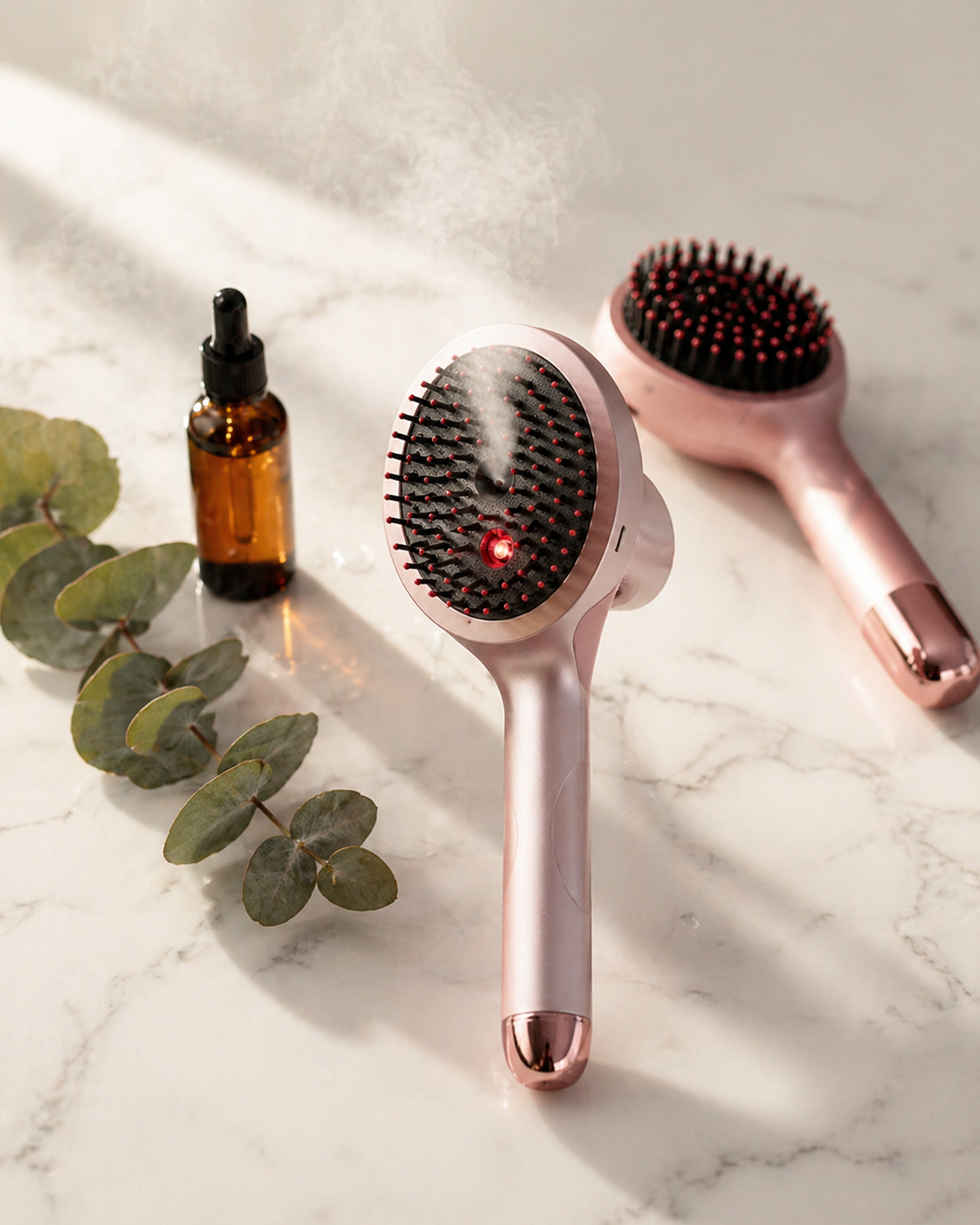
- Dryness or flakiness: The scalp may need more hydration. A nano-mist treatment or a lightweight oil can help restore balance. The Rootli Infuser – Nano Mist Scalp Device delivers a fine mist that feels like a drink for your scalp.
- Excess oil: This often indicates the scalp’s protective barrier is overcompensating. A balanced, non-stripping cleanse and regular gentle massage can help regulate sebum production. The Rootli Serum Comb Serum-Infusing Scalp Massage Brush is perfect for distributing products without disturbing the scalp.
- Visible hair strands or sparse areas: While this can be a normal part of the hair cycle, consistent observation helps you notice if something shifts. Focus on supporting overall scalp vitality through circulation-boosting tools like the Rootli Pulse Pro – LED Light Cap, which delivers red and blue light to support a healthy scalp environment.
Remember, you’re not diagnosing a condition. You’re simply tuning in to your scalp’s language. If something feels concerning or persistent, always consult a dermatologist or healthcare professional. Your observations become part of a bigger picture that you can share with them.
Start Your Scalp Care Ritual with Confidence
An at-home scalp analysis isn’t about striving for perfection. It’s about building a relationship with a part of yourself that influences how you feel every day. When you know your scalp’s needs, you can choose products and routines that feel right—not because a bottle says so, but because you’ve seen the evidence yourself.
We invite you to explore the The Glow Detection Set and Rootli Scope on our site. They’re designed to make scalp awareness intuitive and rewarding. Your hair will thank you for the attention—starting from the very root.