You know your face. You know its texture, its tendencies, its favorite serums. But your scalp? It’s been hiding under a veil of hair, quietly sending signals about your overall well-being. Just like the skin on your face, your scalp has its own rhythm—it can feel dry or oily, tight or relaxed, sensitive or resilient. And when you learn to read its language, you unlock a deeper level of hair confidence.
That’s where at-home scalp analysis comes in. Not as a clinical exam, but as a beauty ritual. A way to understand what your scalp is asking for, and to track how it responds to your care. With the right tools and a little curiosity, you can become your own scalp’s best editor.
Why Scalp Analysis Matters for Your Beauty Routine
Consider this: your hair grows from your scalp, so the condition of that ground zero directly affects how your hair looks and feels. A balanced, comfortable scalp creates the perfect environment for hair to look its fullest and glossiest. But without checking in, you might be using products that aren’t quite right, or missing signs that your scalp needs a shift in routine.
Scalp analysis isn’t about diagnosing problems—it’s about getting to know your scalp the way you know your cheekbones. Over time, you’ll notice patterns: maybe your scalp feels tighter in winter, or oilier after a humid day. That knowledge lets you adjust your ritual with intention, not guesswork.
Shop the scalp ritual
How to Perform a Simple At-Home Scalp Analysis
You don’t need a fancy clinic to understand your scalp. Start with a quiet moment and good lighting. Part your hair in sections and look closely at your scalp’s surface. What do you see? What do you feel? Here’s what to gently observe:
- Tone and texture: Is the skin even in color? Are there areas that look red or feel warm to the touch?
- Moisture balance: Does your scalp look flaky, or does it feel greasy shortly after washing? Flakiness doesn’t always mean dryness—sometimes it’s a sign of buildup.
- Sensitivity: Are there spots that feel tender or itchy? That’s your scalp’s way of saying “hey, let’s adjust.”
- Pore clarity: Just like face pores, scalp follicles can appear clogged or congested. A magnifying tool helps here.
Using a Scalp Analyzer
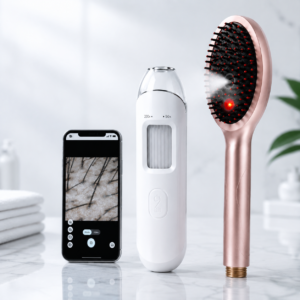
To go deeper, a dedicated tool like the Rootli Diagnostic Pro gives you a high-definition view of your scalp and follicles. It’s like having a dermatoscope in your own hands—but without the clinical vibe. You can see the little details that are invisible to the naked eye: follicle openings, surface texture, and even the subtle patterns of your scalp’s terrain. Use it once a month to build a visual diary of your scalp’s journey.
What to Observe
When you scan your scalp, look for changes over time, not perfection. A healthy scalp isn’t about being flawlessly uniform; it’s about being balanced and comfortable. Note areas that seem drier or oilier, and any shifts in how your scalp feels after trying a new product or ritual. The goal is to learn, not to judge.
Tracking Your Scalp’s Progress Over Time
The real magic happens when you start tracking. Our scalps change with seasons, stress, diet, and the products we use. By documenting what you see—even just with a photo every couple of weeks—you’ll spot trends that guide your routine. Did that new serum make your scalp feel more comfortable? Did a massage tool improve the way your scalp looks in the mirror of your analyzer?
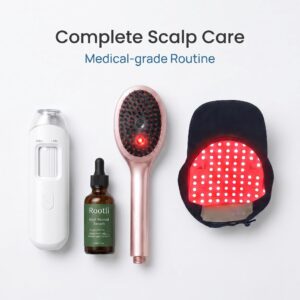
The Glow Detection Set is designed to help you build a more intentional routine based on what you discover. It includes tools that make analysis feel like a ritual, not a chore. Pair it with your observations, and you’ll start to see the story your scalp is telling you.
Building a Scalp Care Ritual Based on Your Findings
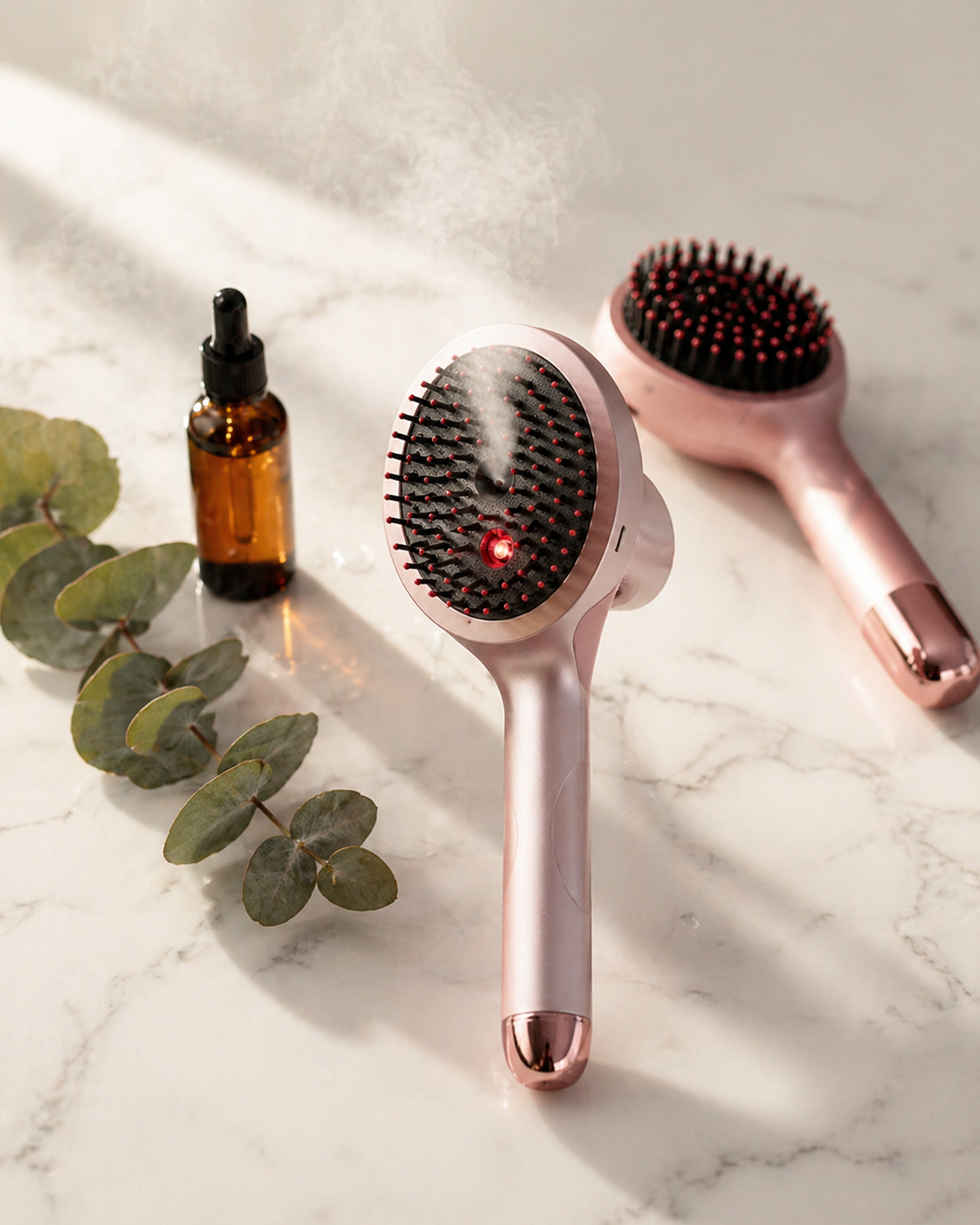
Once you understand your scalp’s needs, you can choose products that speak directly to them. Maybe a lightweight daily serum like Rootli Serum to maintain moisture balance. Or a soothing brush like the Rootli Serum Comb Serum-Infusing Scalp Massage Brush to distribute that serum while gently massaging tension away. The ritual becomes personal because it’s based on what you’ve observed.
Remember: your scalp is as unique as your face. What works for a friend might not work for you. At-home scalp analysis gives you the confidence to curate a routine that truly supports your scalp’s health and happiness. And over time, that shows in the way your hair looks and feels.
So take a moment. Part your hair. Look closely. Your scalp has been talking—now you’re ready to listen. Discover your ritual with Rootli’s tools and start the conversation.