Scalp analysis at home sounds like something reserved for a clinic, a fancy device, or a moment when something feels off. In reality, it can be one of the gentlest beauty habits you own. It is simply the practice of looking closely, noticing what your scalp feels like, and tracking what changes over time so you can choose products with more intention.
When you pair scalp analysis at home with before-and-after tracking, you stop guessing. You start to see how your scalp responds to washing, styling, sweat, travel, stress, and the products you use. That information is quiet but powerful, and it helps you build a scalp care routine that feels personal instead of random.
What Scalp Analysis at Home Actually Means (and What It Doesn’t)
At home, scalp analysis is a beauty check-in, not a medical diagnosis. You are not trying to label a condition or play doctor. You are gathering simple clues about how your scalp looks and feels so you can care for it more thoughtfully. That distinction matters: this is about awareness, not fear.
Your check-in might include noticing oiliness at the roots, dry-feeling patches, sensitivity, visible flaking, product buildup, or the way your part looks in consistent lighting. You might also notice how your scalp feels after washing, after a workout, or after several days of dry shampoo. These are beauty observations, and they can tell you a lot about what your scalp seems to prefer.
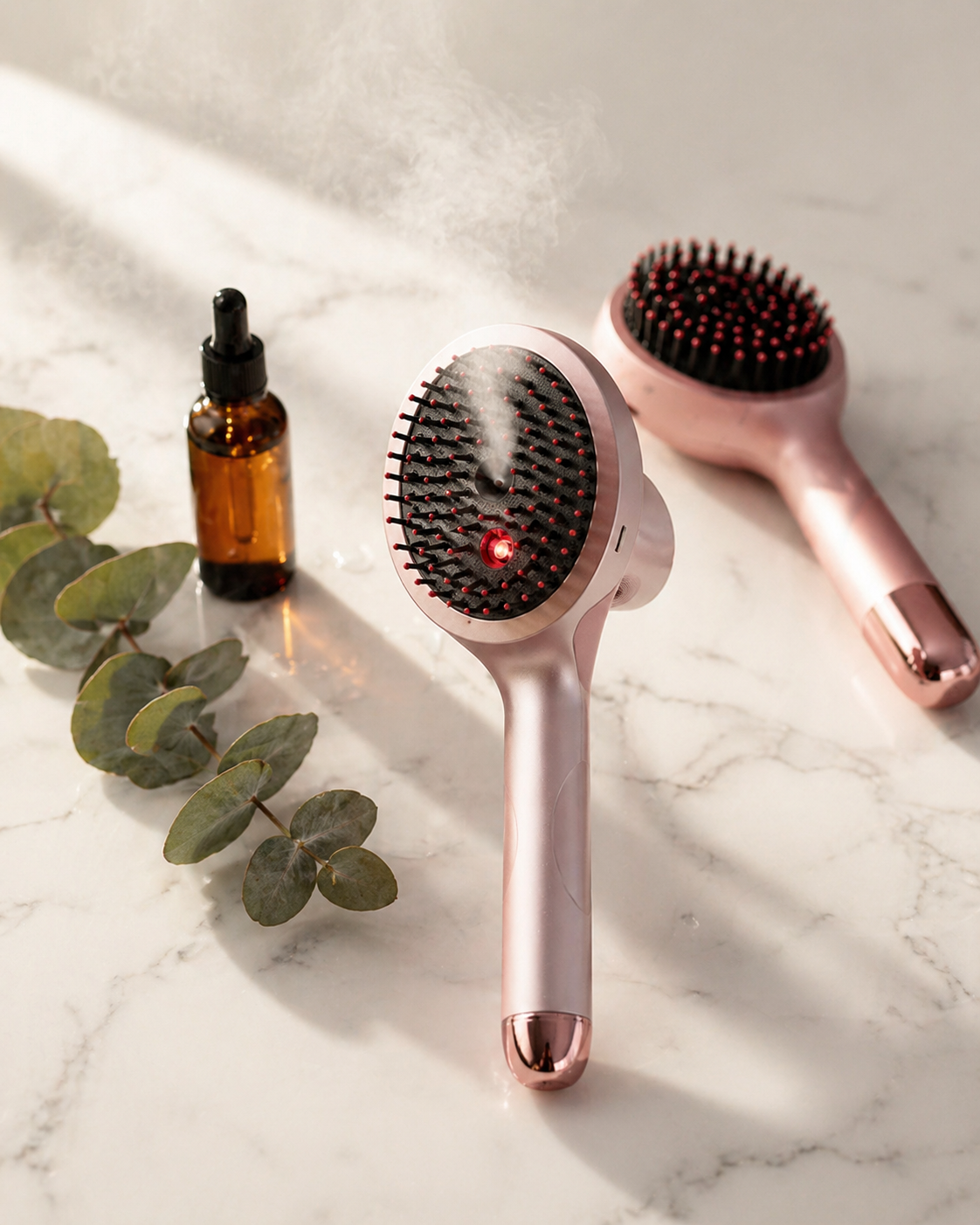
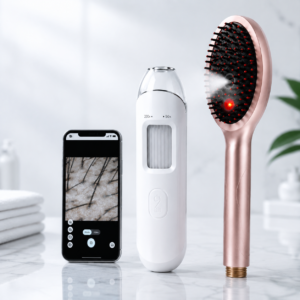
A closer look can be helpful, especially if you like data and ritual. The Rootli Scope AI-Connected Scalp & Follicle Analyzer is designed to give you a magnified view of your scalp and follicle visibility at home, so your notes have more context. If you would rather begin with a guided, intentional routine, The Glow Detection Set is built around checking scalp appearance and building a more thoughtful scalp care habit.
Shop the scalp ritual
-
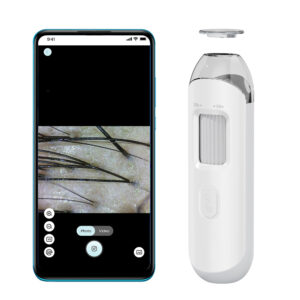
Rootli Scope AI-Connected Scalp & Follicle Analyzer
Price range: $158.00 through $178.00 Select options This product has multiple variants. The options may be chosen on the product page -
A Simple Before-and-After Tracking Method That Fits Real Life
Before-and-after tracking works best when it is low-effort. If your routine requires perfect lighting, five products, and a spreadsheet, you probably will not keep it up. Instead, create a repeatable five-minute check-in that gives you enough information to notice patterns without turning scalp care into a project.
Your Five-Minute Baseline Check
- Choose a consistent time, such as the morning after wash day or the evening before you cleanse.
- Use the same lighting and the same phone camera angle each time.
- Part your hair in the same few places and take one photo of each area.
- Write down three words for how your scalp feels: calm, tight, oily, sensitive, fresh, or something else.
- Note anything new in your routine, such as a new styling product, a sweaty workout week, or travel.
That is your baseline. It does not need to be perfect. It just needs to be repeatable. Over time, those small notes become a before-and-after story you can actually read. If you want a more structured starting point, The Rootli Diagnostic Pro is designed for understanding your scalp before choosing a ritual, which can make your first few check-ins feel more intentional.
What to Track Without Overthinking It
- Comfort: Does your scalp feel calm, tight, tingly, or sensitive?
- Oil balance: How soon do your roots start to look shiny or weighed down?
- Visible flaking: Where do you notice it, and is it better or worse after certain products?
- Part and density appearance: Use the same lighting so photos are easier to compare.
- Product feel: Does your scalp feel comfortable after serum, mist, or leave-in products, or does residue build up?
Keep your notes factual and kind. “My scalp feels tighter after this shampoo” is more useful than “my scalp is bad.” The goal is not to judge your scalp. The goal is to learn its preferences.
How to Read Changes in Your Scalp Without Jumping to Conclusions
Before-and-after photos can be revealing, but they can also be misleading. Lighting changes, different hair partings, a new camera, or a week of extra stress can all affect what you see. That is why scalp analysis at home works best when you compare several check-ins, not one photo against another.
Give yourself a few weeks before you decide whether a product or habit is helping. If you started a new scalp serum, a massage routine, or a different wash schedule, track how your scalp feels for at least two to four weeks. Look for small shifts: roots that feel less weighed down, a scalp that feels more comfortable, or flaking that appears less noticeable in your photos.
Look for Patterns, Not Perfect Days
Your scalp will have good days and less comfortable days. That is normal. Instead of chasing a perfect photo, look for patterns. Do you notice more oiliness after using a rich conditioner near the roots? Does your scalp feel tighter in dry weather? Does a weekly massage ritual help you feel more connected to your routine? These patterns are the real value of tracking.
Use gentle language when you review your notes. “My scalp looks more balanced this week” or “my roots feel comfortable for longer” is more useful than dramatic conclusions. Scalp care is a long game, and consistency matters more than perfection.
When to Pause and Ask a Professional
At-home scalp analysis is for beauty awareness, not diagnosis. If you notice persistent irritation, painful spots, sudden thinning, or anything that worries you, pause your routine and speak with a qualified healthcare professional. You can still keep your notes and photos, but let an expert guide the next step. Caring for your scalp includes knowing when to ask for help.
Building a Scalp Care Routine Around What You Notice
Once you have a few weeks of notes, let your observations guide your routine. If your roots look oily by mid-day, you might focus on lightweight formulas and a wash schedule that keeps your scalp feeling fresh. If your scalp feels tight or dry-feeling, you might layer in gentler cleansing and a comfortable serum step. If your scalp feels sensitive, keep your routine simple and introduce one new product at a time.
A lightweight step like Rootli Serum can fit into a daily scalp care routine without making your hair feel heavy. For a more tactile moment, Rootli Stone Comb – Scalp Gua Sha is designed for a five-minute scalp massage and pre-serum prep. These rituals are not about doing more for the sake of it. They are about giving your scalp a little focused attention and seeing how it responds.
- If your scalp feels oily quickly, keep conditioning focused on the mid-lengths and ends.
- If your scalp feels dry or tight, try a gentler cleanse and a light serum step.
- If you love ritual, choose one weekly massage or mist moment you will actually repeat.
- If you are testing something new, change one thing at a time so your notes stay clear.
The best scalp care routine is the one you can repeat on a normal Tuesday. It does not need to be complicated. It needs to feel comfortable, calming, and worth coming back to.
Your Before-and-After Journal Starts With One Honest Check-In
You do not need a perfect routine to begin. You need one honest check-in, one photo, and one note about how your scalp feels today. From there, scalp analysis at home becomes a quiet practice of noticing what works and letting the rest go.
If you want a little support, start with The Glow Detection Set for a more intentional routine, or explore the Rootli Scope AI-Connected Scalp & Follicle Analyzer for a closer look. Take your baseline, keep your notes kind, and let your before-and-after unfold slowly. Your scalp deserves the same thoughtful attention you give your face.