We often look at our faces in the mirror—checking for fine lines, breakouts, or dryness. But how often do we give our scalp the same attention? The truth is, your scalp is the foundation of your hair. Just like your skin, it goes through cycles, responds to stress, and changes with the seasons. Yet most of us only notice it when something feels off—itchiness, oiliness, or flakes. The good news? You can do your own at-home scalp analysis to understand what’s really happening up there. And with a little consistency, you can track changes and build a routine that helps your scalp feel balanced and your hair look its best.
Here’s a gentle, practical guide to becoming your own scalp detective—no science degree required.
Why Your Scalp Deserves a Check-In
Think of your scalp as the soil for your hair. If the soil is dry, compacted, or out of balance, the plants won’t thrive. Similarly, when your scalp is happy, your hair can grow stronger, shinier, and more resilient. But scalp health isn’t static. It changes with hormones, weather, product buildup, and even your sleep quality. By doing a simple at-home scalp analysis every few weeks, you can catch small shifts before they become bigger concerns. It’s not about diagnosing problems—it’s about getting to know your scalp like you know your face.
Plus, tracking what you see helps you make smarter choices about the products and tools you use. Instead of guessing what your scalp needs, you’ll have a clearer picture.
Shop the scalp ritual
-
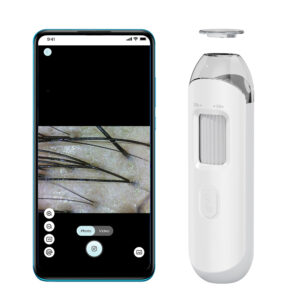
Rootli Scope AI-Connected Scalp & Follicle Analyzer
Price range: $158.00 through $178.00 Select options This product has multiple variants. The options may be chosen on the product page -
How to Perform a Simple Scalp Analysis at Home
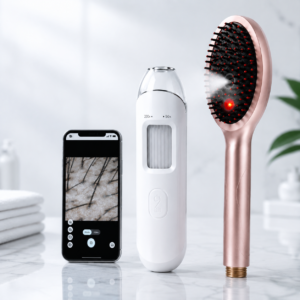
You don’t need fancy equipment to start. A well-lit bathroom, a handheld mirror, and a few minutes are enough for a basic check. But if you want to go deeper, tools like the Rootli Scope AI-Connected Scalp & Follicle Analyzer let you see your scalp in stunning detail—think of it as a dermatoscope for home use. It connects to your phone so you can capture magnified images of your follicles and scalp surface.
Step-by-Step At-Home Scalp Analysis
- Start with clean, dry hair. Avoid applying any products right before your analysis so you’re seeing your scalp’s natural state.
- Part your hair in several sections. Use a tail comb or your fingers to create clean parts from front to back and side to side. Look at each area—crown, temples, nape, and sides.
- Observe the color and texture. Is your scalp pink and even? Or red in spots? Does it look dry, flaky, or oily? Note any areas that are shiny or rough.
- Check for flakes or buildup. Dry flakes often look white and small, while oily buildup can appear yellowish and waxy. Buildup near the hairline might mean you’re not rinsing shampoo thoroughly.
- Look at your follicles. If you’re using a magnifying tool, examine the openings where hair emerges. Healthy follicles often have one or two hairs each. Some miniaturization (thinner, smaller hairs) is normal as we age, but noticing a pattern can help you adjust your routine.
Write down what you see—or better, take photos. The The Glow Detection Set is designed to help you capture consistent images of your scalp so you can compare them over time. It comes with a tool that helps you position the camera at the same angle each time.
What to Look For: Understanding Your Scalp’s Signals
Once you’ve done your at-home scalp analysis, the next step is interpretation. Remember, we’re not diagnosing conditions—we’re observing and learning what your scalp might be asking for.
Common Observations and What They Might Mean
- Dryness or flakiness: Could indicate your scalp needs more moisture or a gentler cleanser. Dry flakes often respond well to lightweight, hydrating serums like Rootli Serum, which is designed to nourish without heaviness.
- Oiliness or greasiness: Sometimes a sign of over-cleansing stripping natural oils, causing rebound oil production. Consider a balancing shampoo or a scalp toner.
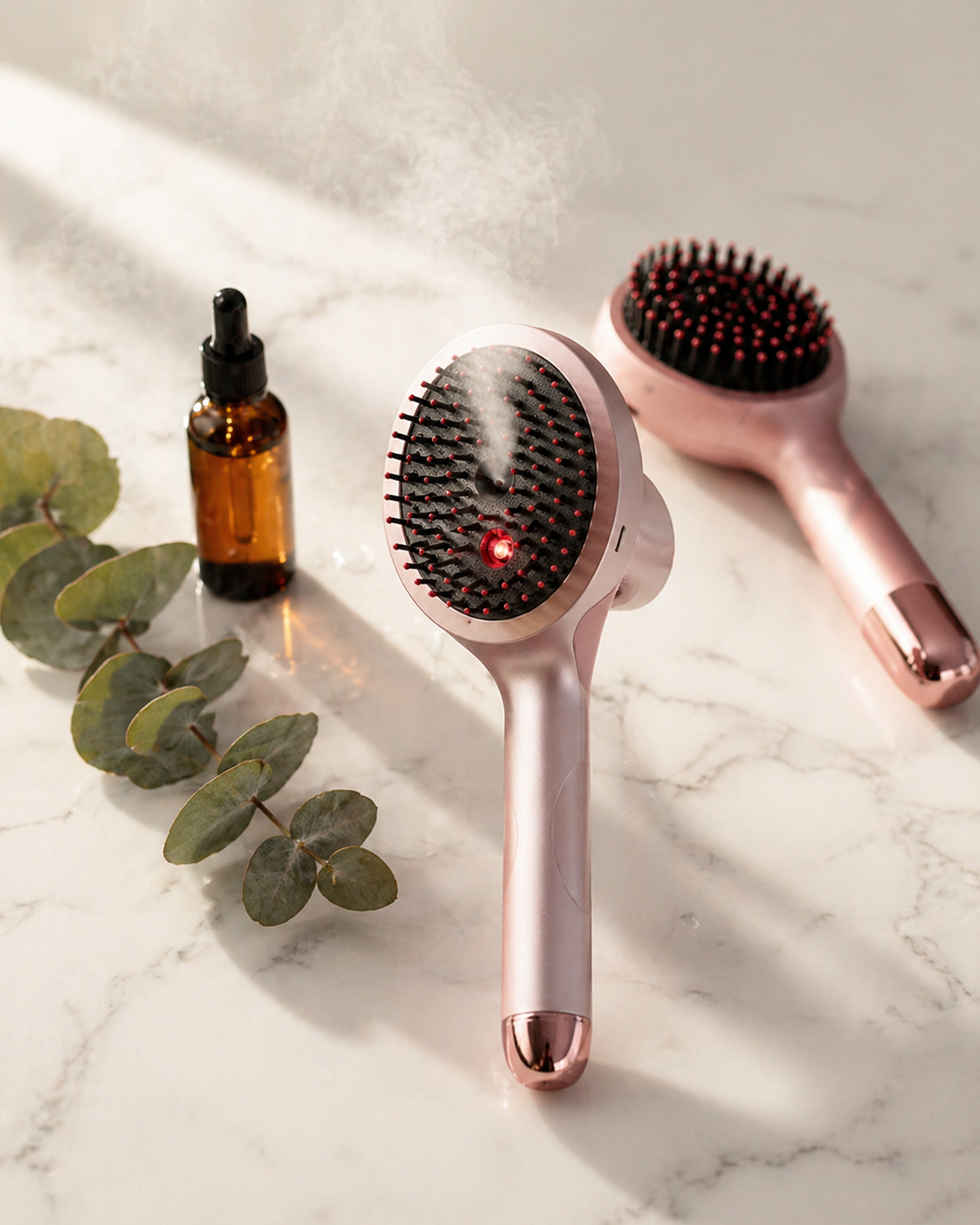
- Redness or sensitivity: Might be from product irritation, weather changes, or tension. A cool mist from the Rootli Infuser – Nano Mist Scalp Device can be soothing.
- Visible follicles with less hair: Not a cause for alarm—this can be a normal part of the hair cycle. But tracking it helps you see if it’s progressing or stable.
If you notice persistent changes like significant hair thinning or scalp pain, it’s always wise to consult a dermatologist. But for daily scalp wellness, your own observations are powerful.
Tracking Changes Over Time: Your Scalp Diary
One of the most empowering parts of at-home scalp analysis is watching your scalp respond to your care. A simple “scalp diary” can help you connect the dots between your routine and your scalp’s appearance.
- Take photos every two weeks. Use the same lighting and position. You can store them on your phone in a folder labeled “scalp check.”
- Note any changes in texture, oiliness, or flakiness. Also record what products you’ve been using and any lifestyle factors (stress, sleep, diet).
- Look for patterns. For example, some people notice more oiliness after eating dairy or more dryness in winter. Over time, you’ll learn what your scalp loves.
Using a dedicated tool like the The Glow Detection Set makes this easier because it standardizes your analysis—so you’re comparing apples to apples.
How to Tailor Your Routine Based on What You Find
Once you’ve done a few scalp check-ins, you’ll start to see patterns. Let your observations guide your next steps. Here are some gentle adjustments you can make:
- If you notice dryness: Add a weekly warm scalp ritual with the Rootli Cap, which helps you relax while the gentle warmth may support moisture absorption. Follow with a lightweight serum.
- If you see buildup: Consider a clarifying shampoo once a week, and make sure you’re massaging your scalp thoroughly with a tool like the Mist Hair Comb: Vibrating Scalp Massager to lift debris.
- If redness or sensitivity is a recurring theme: Try a gentle, fragrance-free routine. The Rootli Wand Pro 4-in-1 Smart Beauty & Scalp offers red light and EMS, which may help soothe the scalp’s surface.
Remember, consistency matters more than intensity. Small, regular shifts in your routine can lead to noticeable changes over months.
Your scalp is talking to you. At-home scalp analysis is your way of listening. With a few simple tools and a little curiosity, you can build a scalp care ritual that feels as intuitive as your skincare routine. And the best part? You get to witness your own progress—one photo, one observation, one gentle step at a time.
Ready to start your scalp journey? Explore the Rootli Scope AI-Connected Scalp & Follicle Analyzer and The Glow Detection Set to make your at-home scalp analysis easier than ever.