Most of us can recite our skincare routine from memory and describe our hair routine in one word: shampoo. Somewhere in between lives the scalp, the quiet part of the story that shapes how our hair looks and how comfortable our head feels day to day. A scalp analysis at home is simply the habit of paying attention, looking closely, noticing patterns, and giving yourself a way to see change over time instead of guessing.
You do not need a salon appointment or a clinical setting to do it. With decent lighting, a mirror, your phone camera, and a few minutes once a week, you can build a genuinely useful picture of your scalp’s needs, then match your scalp care routine to what you actually see. Here is how we think about it at Rootli.
Why a Scalp Analysis at Home Is the Step Most Hair Routines Skip
Your scalp is skin. It gets oily, dry, sun-exposed, product-heavy, and stressed in the same way your face does, and it shows it. Yet most of us only think about it when something feels off: an itchy patch, a flaky morning, a part line that looks a little different in photos than we remember.
Checking in regularly flips that dynamic. Instead of reacting to a bad hair day, you start with information. You notice that your scalp feels oilier at the crown two days after wash day. You notice that the flaking you assumed was seasonal shows up in the same spot every winter. You notice that your scalp feels calmer in the weeks when you massage it. That is not a medical conclusion. It is pattern recognition, and it is the foundation of a smarter scalp care routine.
There is an emotional side to it too. Hair confidence and scalp confidence are tangled together, and many of us avoid looking closely because we are quietly afraid of what we will see. A gentle, repeatable scalp analysis at home replaces that vague worry with something concrete you can actually work with.
Shop the scalp ritual
-
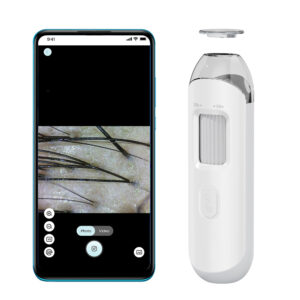
Rootli Scope AI-Connected Scalp & Follicle Analyzer
Price range: $158.00 through $178.00 Select options This product has multiple variants. The options may be chosen on the product page -
How to Do a Scalp Analysis at Home in Five Quiet Minutes
Set yourself up: bright indirect light, a handheld mirror, and your phone. Do your check on a dry scalp before washing, ideally at the same time each week so your comparisons are fair. Then walk through the same short list every time.
What you are actually looking for
- Flaking or buildup: is there visible residue near the part line, at the temples, or along the hairline? Does it look powdery, oily, or like product that never fully rinsed out?
- Color and comfort: does the skin along your part look even, or are there areas that look pinker or feel tender when you touch them gently?
- Oil pattern: where does shine appear first? For many people it is the crown and the front hairline, which tells you a lot about how your scalp behaves between washes.
- Part line and density: pick one spot and photograph it the same way each week. Hair looks fuller or thinner depending on lighting, styling, and how recently you washed it, which is exactly why consistent photos matter.
- Texture at the roots: does your hair feel coated, weighed down, or squeaky clean? That is often a scalp care question, not a hair care one.
If you want more detail than your eyes can offer, a magnified view helps. The Rootli Scope AI-Connected Scalp & Follicle Analyzer lets you look closer at the scalp surface and follicle area so your weekly notes become more precise, and the Rootli Diagnostic Pro is designed for exactly this moment: understanding your scalp before you choose a ritual, rather than buying another product and hoping.
A simple weekly check-in
Keep it short enough that you will actually repeat it. Run your fingertips slowly across your scalp from hairline to nape and note anything that feels tight, tender, or unusually dry. Part your hair in three places, front, middle, and crown, and look at each for a few seconds. Take your photos. Write two lines in your notes app about what you saw and how your scalp felt. That is the whole ritual, and it takes less time than your evening serum.
Before-and-After Scalp Tracking That Actually Shows Change
Scalp change is slow. That is good news for your routine and mildly annoying for your patience. The only way to see progress honestly is to make your tracking boring and consistent, so that the only variable is your scalp, not your lighting.
Photos that tell the truth
Pick one or two fixed spots, such as your natural part and the crown, and photograph them the same way every week. Same room, same light source, same time of day, dry hair, no styling products. Hold the phone at the same angle and distance, and if it helps, mark the spot with a small piece of tape on the mirror so your framing stays consistent. A quick clip of you parting your hair in those same spots adds useful context that a single still image cannot.
Keep a two-line log
Next to each photo, note the date, how your scalp felt that day, and anything that changed in your routine, like a new wash frequency, a new serum, or a week of travel. In four to six weeks you will have something far more useful than a gut feeling: a record of what your scalp does and how it responds. If you ever decide to talk to a dermatologist or trichologist, this log is also the most helpful thing you can bring with you.
One honest caveat: photos are for noticing, not for judging. Some weeks will look identical. Some will look worse because you slept badly or the light was gray. Progress in scalp care is measured in seasons, not days.
Matching Your Scalp Care Routine to What You Found
Once you have a few weeks of notes, the products almost choose themselves. If your scalp leans oily and congested, you want cleansing and lightweight serum care, plus tools that help you rinse and distribute product evenly. If it leans dry or tight, you want gentle massage, mist, and nourishment. If it feels generally comfortable and you simply want to maintain healthy-looking hair, consistency matters more than intensity.
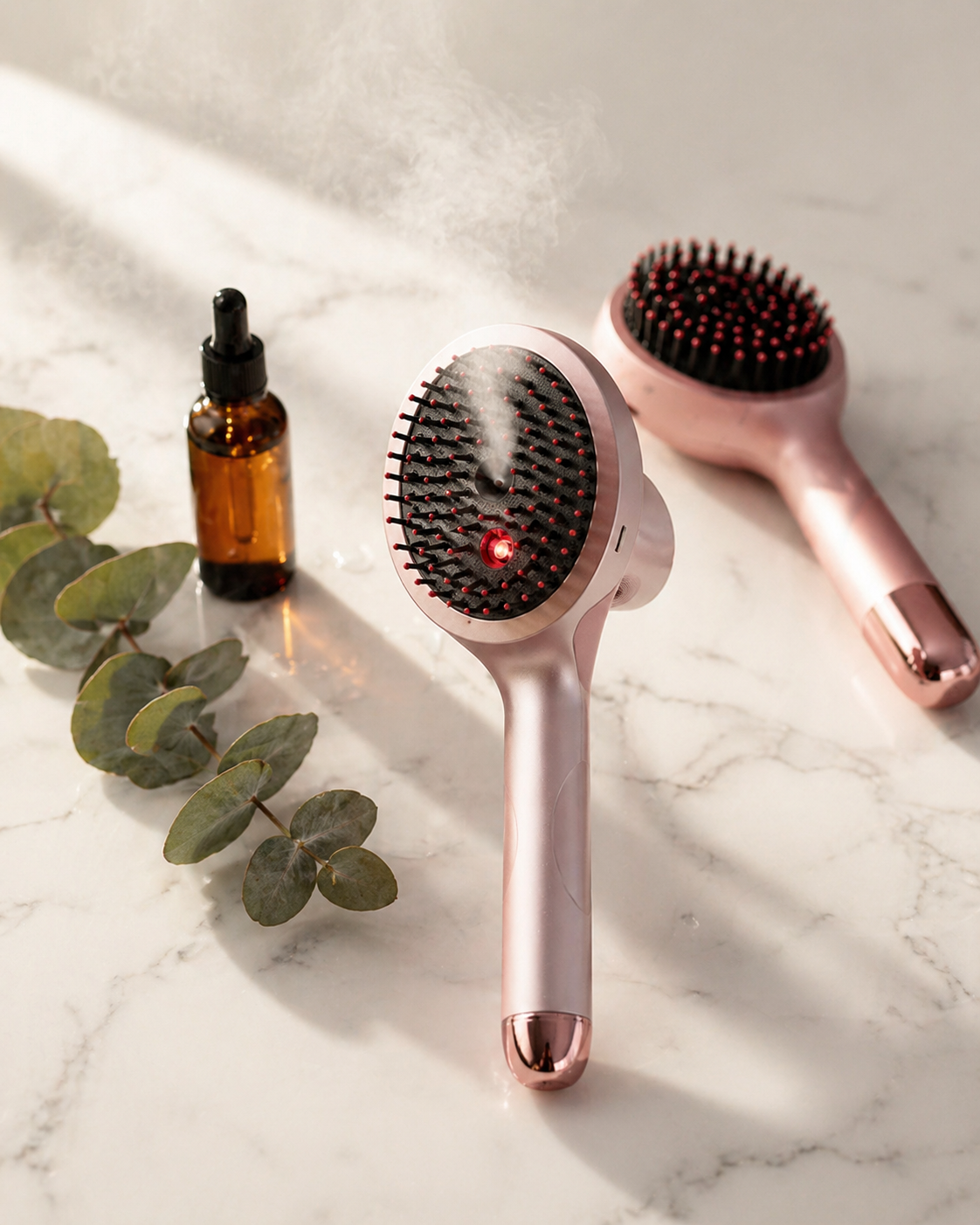
- For buildup and uneven product distribution: the Rootli Serum Comb Serum-Infusing Scalp Massage Brush massages and moves serum through the scalp so nothing sits in one place.
- For a tight, tense scalp that would love five minutes of relief: the Rootli Stone Comb – Scalp Gua Sha is a lovely pre-serum step, and the Root Sculptor Premium Pink Scalp Comb – Gua Sha Massager makes the same ritual feel a little more special.
- For daily lightweight nourishment: the Rootli Serum is designed to be used consistently, which is where a scalp care routine earns its keep.
- For light-based wellness rituals: the Rootli Pulse Pro – LED Light Cap offers hands-free red and blue light care you can wear while you read.
- For a full picture before you commit: the The Glow Detection Set pairs checking scalp condition with building a more intentional routine.
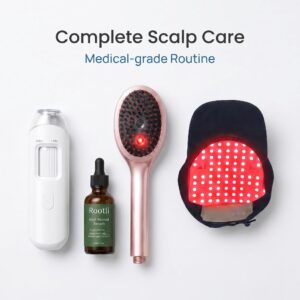
If you would rather start with one guided path than assemble a shelf, the The Rootli Serum Lab is built around serum-led scalp nourishment, and the The LED Power Duo combines full-scalp LED coverage with targeted comb care for people who like a complete weekly session.
Make It a Ritual, Not a Report Card
It is easy to turn scalp tracking into another thing you are behind on. Try not to. The point of a scalp analysis at home is not to grade yourself, it is to stay in conversation with your body and give it a little attention before it has to ask loudly. Ten minutes on a Sunday, a photo, two lines of notes, and a slow massage with a serum you enjoy is genuinely enough to support a comfortable, balanced-feeling scalp and hair that looks glossier and fuller over time.
Start this week with one photo and one honest sentence about how your scalp feels. If you want a partner for the process, the Rootli Diagnostic Pro is the gentlest way we know to begin, and your future self, with a folder of before-and-after photos, will be glad you did.