Your scalp is the foundation of your hair—and just like your skin, it changes with the seasons, stress, and your routine. But how often do you actually look at your scalp? If you’re like most of us, the answer is rarely. That’s why a simple scalp analysis at home can be a game-changer for your hair confidence. By getting to know your scalp’s unique landscape, you can make smarter choices about products, tools, and rituals—and actually see the difference over time.
Think of it as a beauty diary for your scalp. A few minutes each week, a couple of photos, and a little curiosity can reveal so much: where your scalp might need extra love, how your current routine is landing, and what’s improving. Let’s walk through how to start your own at-home scalp tracking practice—no dermatologist appointment needed.
Why a Scalp Analysis at Home Matters
Your scalp is skin—and it deserves the same attention you give your face. Yet most of us only think about our scalp when it feels itchy or flaky. Scalp analysis at home lets you catch subtle shifts early. Maybe you notice a patch that looks drier than usual, or the hair along your part seems less dense. By tracking these details, you can pivot your routine before small changes become bigger concerns.
Plus, seeing progress is incredibly motivating. When you have a “before” photo and a “three months later” photo, you can celebrate the improvements—whether that’s a less red scalp, more balanced oil production, or simply hair that looks fuller and glossier. That’s the kind of beauty win that builds confidence.
Shop the scalp ritual
-
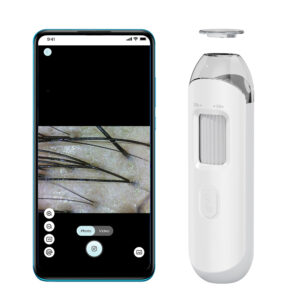
Rootli Scope AI-Connected Scalp & Follicle Analyzer
Price range: $158.00 through $178.00 Select options This product has multiple variants. The options may be chosen on the product page
How to Perform a Simple Scalp Check at Home
You don’t need a fancy setup to start. Here’s a gentle, step-by-step approach to your first scalp analysis at home:
- Pick a consistent spot. Choose a bathroom with good lighting—natural light is ideal. Part your hair in a few sections: center part, side part, and the crown. These will be your “checkpoints.”
- Use a tool to get a closer look. A smartphone camera can work, but for real clarity, consider the Rootli Scope AI-Connected Scalp & Follicle Analyzer. It gives you a magnified view of your scalp and follicles, so you can see texture, oiliness, and even the tiny hair shafts.
- Take photos regularly. Snap a few images of the same sections each time. Keep them in a folder on your phone or a notes app. Consistency is key—weekly or bi-weekly works beautifully.
- Note what you see. Is the scalp pink, pale, or oily? Are there any flaky spots? Does the hair density look the same as last time? Write down a few observations—even one word like “balanced” or “dry” helps.
This ritual isn’t about perfection. It’s about tuning in. Over a few sessions, you’ll start to recognize patterns and feel more connected to your scalp’s needs.
What to Look for During Your Scalp Analysis
When you’re doing a scalp analysis at home, here are the beauty-friendly signs to check for:
- Color: A healthy-looking scalp tends to be a neutral, even tone. Mild pink is normal after massage, but persistent redness might suggest sensitivity.
- Texture: Smooth and soft to the touch is the goal. Rough or bumpy areas could use extra hydration or gentle exfoliation.
- Oiliness: A little oil is natural—your scalp produces it to protect hair. But if it feels greasy soon after washing, you might need to adjust your cleanse or use a balancing serum.
- Flakes: Occasional flakes happen, especially in dry climates. If they’re persistent, look for a nourishing, gentle scalp serum.
- Hair density: Is the hair along your part looking thinner than before? Snap a photo for your record. Small changes are easier to track over time.
Before-and-After Tracking: Your Scalp’s Progress Report
One of the most rewarding parts of scalp analysis at home is the before-and-after comparison. It turns your routine into a story—your scalp’s story. To make tracking meaningful, set a baseline: take your first set of photos and notes. Then, after four to six weeks of consistent care, take another set.
What might you see? Perhaps the redness has calmed down. Maybe the hair feels thicker at the roots. Or the scalp looks more hydrated and even. These are signs that your scalp care routine is working. And if you don’t see a change? That’s valuable information too—it might be time to switch up your products or introduce a new tool.
For a deeper dive, the Rootli Diagnostic Pro is designed to help you understand your scalp before choosing a ritual. It walks you through a guided assessment, so you know exactly what your scalp is asking for—and how to give it the most loving attention.
How to Understand Your Scalp’s Needs and Adjust Your Routine
Your scalp analysis at home will naturally lead to questions: “Do I need more moisture? Less oil? More stimulation?” Here’s how to interpret what you see and translate it into action.
If Your Scalp Feels Dry or Tight
This is your scalp asking for hydration. A lightweight serum like Rootli Serum can be massaged in daily to provide nourishment without weighing hair down. Pair it with a gentle scalp massage using the Rootli Stone Comb to boost circulation and absorbency.
If Your Scalp Looks Oily
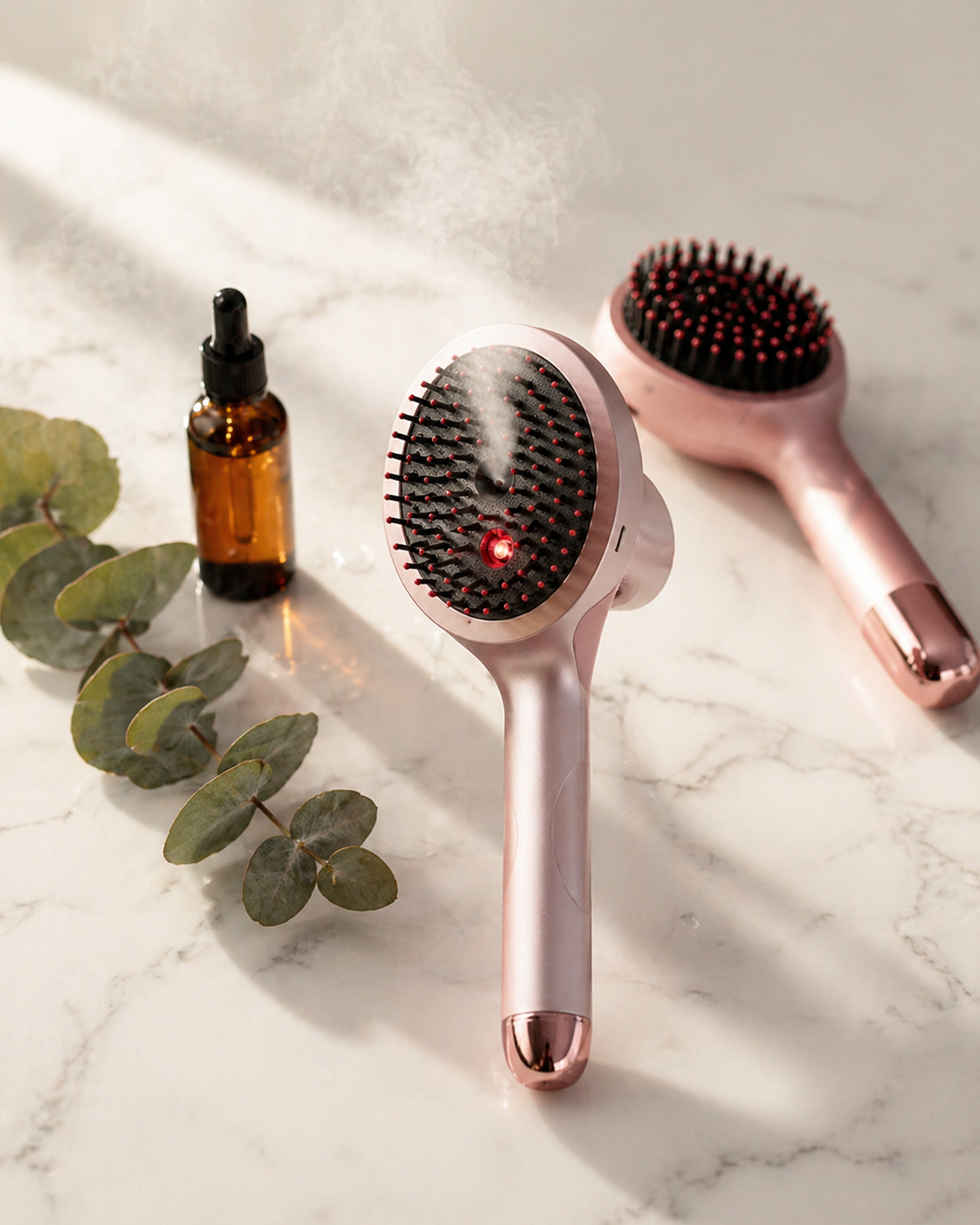
Excess oil might mean your scalp is overcompensating for dryness. Try a balancing approach: cleanse with a gentle shampoo, then follow with a toner-like mist. The Rootli Infuser delivers a fine mist that can help reset your scalp’s moisture levels. Track how your oiliness changes over a few weeks.
If You Notice Sparse Areas
While we never claim to “regrow” hair, supporting your scalp’s environment can help hair look fuller over time. Red and blue light tools, like the Rootli Pulse Pro, are designed to be part of a consistent wellness ritual. Use it weekly and compare photos to see if the area feels more vibrant.
Making Scalp Analysis a Gentle, Regular Ritual
The beauty of scalp analysis at home is that it becomes a self-care moment. You’re not diagnosing—you’re checking in. Set a reminder once a week, put on your favorite playlist, and take a few minutes to look, snap, and note. Over time, you’ll build a rich picture of your scalp’s unique rhythm.
And remember, your scalp’s needs evolve. What works in summer might shift in winter. By staying curious and consistent, you’re giving your hair the best possible foundation—one that’s cared for, understood, and loved.
Ready to start your own scalp journey? Explore our scalp tools and serums to find the perfect companion for your ritual. Your scalp is waiting to be seen.