You probably know your skin’s every quirk—the way it drinks up hyaluronic acid or hates heavy creams. But your scalp? That’s often treated like an afterthought, hidden under hair and left to its own devices. The truth is, your scalp is skin—living, breathing, and constantly telling you what it needs. When you learn to listen, you can make smarter choices about the products and rituals that feel best for you.
Scalp analysis at home isn’t about diagnosing yourself or chasing perfection. It’s about getting curious. It’s about noticing what’s already there—your scalp’s natural oiliness, texture, and even its subtle color shifts—and giving those signals a place in your beauty routine. With a few simple tools and a little consistency, you can track how your scalp responds to different care rituals and better understand what helps it look and feel its healthiest.
Why Scalp Analysis Matters (and Why It’s Not What You Think)
For years, scalp care was either clinical or completely ignored. But as the beauty world shifts to a scalp-first mindset, we’re learning that a comfortable, balanced-feeling scalp lays the groundwork for hair that looks shiny, bouncy, and full of life. Scalp analysis at home fits right into this philosophy: it’s less about finding flaws and more about building a relationship with your scalp.
Think of it as a wellness check-in. You’re not looking for problems; you’re looking for patterns. Does your scalp feel tighter after a week of double-cleansing? Does a certain serum make your scalp feel more refreshed? These aren’t medical questions—they’re personal, practical observations. When you bring your own scalp into the conversation, you stop guessing and start choosing products that genuinely align with your needs.
Shop the scalp ritual
How to Read Your Scalp’s Signals at Home
You don’t need a dermatology degree to do a basic scalp analysis. Your hands, a mirror, and maybe a few Rootli tools are plenty. Start by parting your hair in a few different spots—above your forehead, at your crown, and behind your ears. Look at the skin between the strands. What do you notice?
Color and Complexion
Just like your face, your scalp has its own natural tone. A healthy-looking scalp often has an even, calm appearance. If you see small areas of persistent redness or irritation, that might be a sign your scalp is craving gentler products or a break from heavy styling. If the skin looks pale or dull, consider whether your current routine is nourishing enough. These observations aren’t diagnoses—they’re clues.
Texture and Finish
Run your fingers gently across your scalp. Does it feel smooth like a fresh clean face, or does it feel a little uneven or bumpy? A balanced-feeling scalp might have a slight natural softness, while a dry-feeling scalp can feel tight or rough. On the other hand, an oily-feeling scalp might feel slick shortly after washing. Understanding your baseline texture helps you choose the right pulse point for your ritual.
Sensitivity and Sensation
Pay attention to how your scalp reacts to touch. Is it neutral, tender, or sensitive? Some people have scalps that are easily irritated, while others can handle more vigorous massage. Your sensitivity level is important because it guides how you use tools like gua sha combs or light therapy. A gentle approach is always a good start.
Building a Simple Before-and-After Tracking Routine
Now that you’ve noticed your scalp’s signals, it’s time to formalize it. The beauty of scalp analysis at home is that you can track progress over days, weeks, and months. You just need a consistent method. Here’s a straightforward routine you can follow:
- Pick the same time of day. Since your scalp can change from morning to night, choose a moment when you’re calm—maybe after your evening shower or before bed.
- Use the same lighting. Natural window light is optimal, but a consistent bathroom light works too. This helps you compare apples to apples.
- Take photos or notes. A simple phone photo or a journal entry is enough. You’re looking for trends over time, not daily ups and downs.
- Include a product touchpoint. Note which scalp products you used the night before. That way, you can see if a new serum or tool seems to change how your scalp looks and feels.
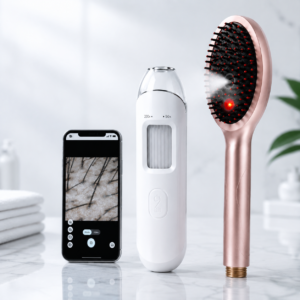
If you want an even more detailed view, the Rootli Scope AI-Connected Scalp & Follicle Analyzer brings a deeper layer to at-home scalp analysis. It’s a handheld camera that lets you see your scalp at a magnification level you’d normally only get at a salon or clinic. You can spot details like dryness, excess sebum, or scale—all in the comfort of your own bathroom. The Glow Detection Set takes this a step further by pairing the Scope with supportive care, helping you build a more intentional ritual based on what you see.
What to Look for in Your Before-and-After Photos
When you compare photos side by side, focus on the overall picture, not a single hair follicle. You’re looking for changes in scalp calmness, oil distribution, and the general appearance of your hair roots. Maybe your scalp seems less shiny at the end of the day, or your hair looks fuller at the roots because it’s not lying flat. These are small victories that show your ritual is working.
Beauty Rituals That Support Your Scalp’s Journey
Scalp analysis at home is most useful when it leads to action. Based on what you see and feel, you can adjust your routine. The goal is a scalp that feels comfortable, balanced, and ready to produce healthy-looking hair. Here are a few ways to respond to your findings without overcomplicating things.
- If your scalp feels dry or tight: Focus on gentle, hydrating rituals. A weekly warm scalp spa with the Rootli Cap might help you slow down and let your scalp breathe. Follow with a serum that gives lightweight nourishment.
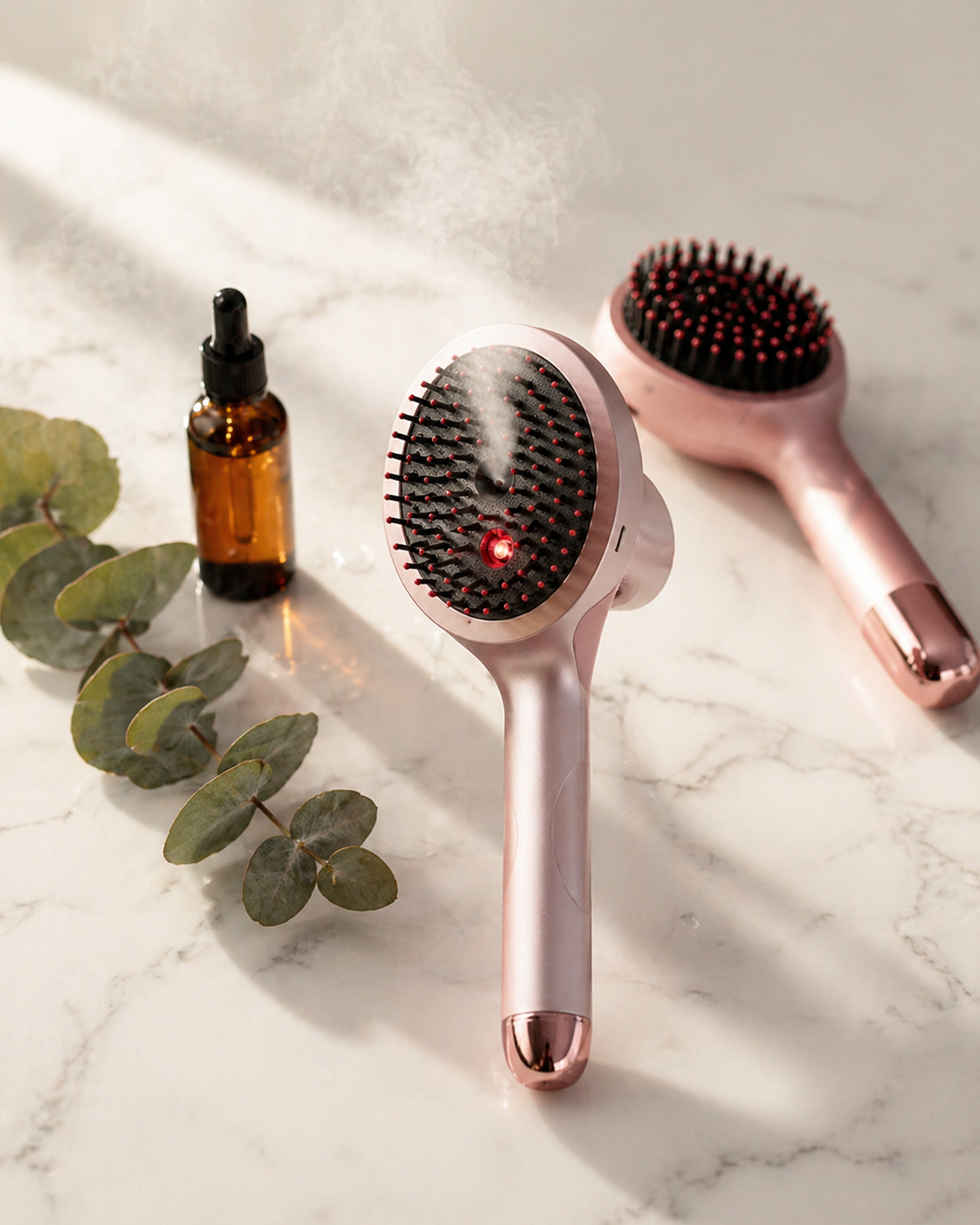
- If your scalp looks oily by midday: You may want to adjust how often you massage or which styling products you use. A vibrating scalp massage with the Mist Hair Comb can help distribute your scalp’s natural oils more evenly, so the whole scalp feels more balanced.
- If you’re just starting out: The Natural Ritual Set is a lovely entry point. It pairs a scalp gua sha stone with a nurturing serum, making it easier to bring daily attention to your scalp without needing a big routine.
Making Your Scalp Analysis a Habit
The magic of tracking is consistency. You don’t need to analyze your scalp obsessively—just a few minutes once a week is enough. Over time, you’ll start to notice how your scalp responds to different seasons, stress levels, and hair styles. Your scalp analysis at home becomes a personal compass, guiding you toward the rituals that make your hair look its best.
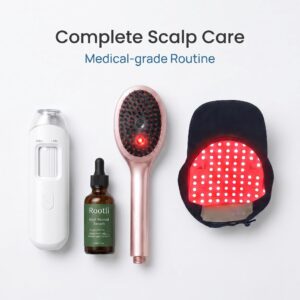
For a deeper, data-informed approach, consider starting with The Rootli Diagnostic Pro. This set helps you assess your scalp before you choose a ritual, so you’re not just guessing. It’s a mindful first step that turns scalp care into a personalized self-care practice.
When to Adjust Your Scalp Care Ritual
Your scalp isn’t static. It changes with your hormones, your environment, and even your stress levels. That’s why scalp analysis at home needs to be flexible. There’s no one-size-fits-all routine. Instead, think of your scalp care as a conversation—you listen, respond, and adjust when needed.
For example, if you notice your scalp feeling more sensitive after a tricky week, you might temporarily swap your usual scalp massager for a gentler tool like the Rootli Stone Comb – Scalp Gua Sha. Or if your scalp seems to be enjoying a nourishing serum, you might use it a few extra nights. This isn’t about chasing perfection; it’s about giving your scalp the support it’s asking for.
And keep in mind that scalp products work with your body, not against it. A healthy-looking scalp is often the result of a consistent, loving routine. If you’re seeing changes that feel positive—like more comfortable scalp skin or hair that looks glossier at the roots—that’s your signal to keep going.
If you ever feel like your scalp needs more specialized attention, don’t hesitate to consult a dermatologist. But for daily beauty care, your own observations are a powerful tool. Your scalp is unique, and no one knows it better than you.
The Gentle Art of Listening to Your Scalp
Scalp analysis at home isn’t about medical perfection—it’s about beauty awareness. It’s the practice of checking in with your scalp the same way you’d check in with a friend. It’s asking, “How are you feeling today? What can I adjust to make you more comfortable?” And when you answer that question with the right product or ritual, something beautiful happens: your hair starts to look and feel like the outer reflection of a nurtured scalp.
So go ahead. Stand in the light, part your hair, and take a look. You might be surprised by what you learn. And when you’re ready to build your personalized ritual, start with a scalp analysis set like The Glow Detection Set or The Rootli Diagnostic Pro. They’re designed to help you see, understand, and nourish your scalp—on your own terms.