Most of us know our facial skin pretty well. We can tell when it is dehydrated, when it is congested, when it is simply having a week. Our scalp gets far less attention — it lives under hair, out of the mirror, and out of mind until something feels off. Scalp analysis is the practice of paying attention on purpose: looking closely, noting what you see, and letting that information shape what you actually do.
At-home scalp analysis is not about diagnosing anything or chasing a perfect scalp. It is a beauty ritual built on curiosity. When you know whether your scalp feels tight or comfortable, whether you notice flaking near your part, whether your roots look flat or full, you can choose tools and products that fit instead of guessing. And because hair grows slowly, before-and-after tracking is the only honest way to know whether your routine is doing anything at all.
What Scalp Analysis Can and Cannot Tell You
Let us start with expectations, because they matter. A close look at your scalp can tell you a surprising amount. You can see how much oil is sitting near the roots, whether there is visible flaking along the part, whether the skin looks calm or reactive, and how dense your hair appears in different zones. You can feel whether your scalp is comfortable, tender, or tight, and you can notice buildup left behind by styling products or dry shampoo.
What it cannot do is diagnose. A photo or a handheld device will never tell you why something is happening, and no at-home routine replaces a professional opinion. If you notice persistent irritation, pain, sudden changes in shedding, or patches where hair looks noticeably thinner, that is a conversation for a dermatologist. Your at-home scalp analysis is there to help you understand your scalp’s day-to-day behavior — not to explain a medical condition.
Five signals worth checking every week
Keep it simple. These are the observations that actually change what you do next:
- Comfort: does your scalp feel comfortable and balanced, or tight, itchy, or sensitive?
- Oil balance: how quickly do your roots look oily after washing?
- Visible flaking: any small flakes near the part or along the hairline?
- Root appearance: how does hair sit at the crown and along the part — flat, or with a little lift?
- Overall look of hair: shine, softness, and how easily it holds a style.
Shop the scalp ritual
-
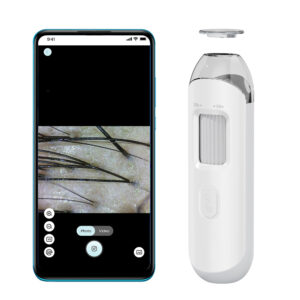
Rootli Scope AI-Connected Scalp & Follicle Analyzer
Price range: $158.00 through $178.00 Select options This product has multiple variants. The options may be chosen on the product page -
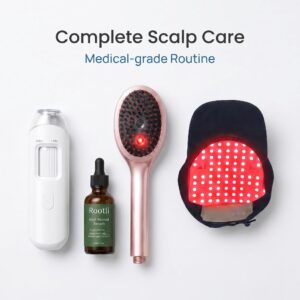
How to Do an At-Home Scalp Analysis in Ten Minutes
The best scalp analysis routine is the one you will actually repeat, so keep it short and make it consistent. Ten minutes, once a week, in the same spot, is plenty.
Start with clean, dry hair. Wash as usual and let your hair dry naturally. Products, oils, and dry shampoo change what you see, so if you want to compare weeks fairly, always check on freshly washed hair.
Work under good light. Natural daylight near a window is ideal. Use the same location each time so shadows and color temperature stay consistent.
Section your hair in four places. A center part, a side part, and two diagonals across the crown. Lift small sections with a comb or your fingers and look at the skin underneath, not just the hair.
Take the same three photos. One at the hairline, one along the part, one at the crown. Same angle, same distance, same lighting. This is the step most people skip, and it is the step that makes before-and-after tracking possible.
Finish with a two-line note. Something like: scalp feels comfortable, slight flaking near the hairline, roots look a little flat on day two. That is it. Two lines a week becomes a genuinely useful record after a couple of months.
Tools that make at-home scalp analysis easier
Your eyes and fingers will get you far. If you want more detail, a magnifying device helps you see the scalp and follicle area more clearly than a phone photo ever will. The Rootli Scope AI-Connected Scalp & Follicle Analyzer is built for exactly this — closer visibility of the scalp surface and the follicle area, so your weekly check-in has more to work with. Pair it with the Rootli Diagnostic Pro if you would rather start by understanding your scalp and then choose a ritual that fits, instead of collecting tools in the wrong order.
Before-and-After Tracking: The Photo Habits That Actually Work
Here is the uncomfortable truth about scalp and hair routines: change is slow, and memory is unreliable. Two months from now you will not remember whether your scalp felt more comfortable in March or whether your part looked denser. Photos solve that, but only if they are consistent.
Consistency beats quality. A slightly blurry photo taken in the same window light every Sunday tells you more than a beautifully lit photo taken whenever you remember. Set a weekly reminder, use the same background, and resist the urge to retake photos until they look flattering. You are collecting information, not building a portfolio.
A tracking rhythm that stays honest
- Weekly: three photos, two lines of notes, one quick touch test.
- Monthly: compare this week’s photo to the same photo from four weeks ago — not to day one.
- Every eight to twelve weeks: a proper before-and-after review, side by side, same angles.
- Always: note anything that changed in your routine, your sleep, your stress levels, or the season. Context explains more than photos do.
And keep your language gentle with yourself. Healthy-looking hair, a comfortable scalp, and roots that sit a little better are all meaningful wins. They simply do not arrive on a dramatic timeline.
Turning What You See Into a Routine You Will Keep
Once you have a few weeks of notes, patterns start to appear. Maybe your scalp feels tight in winter and balanced in summer. Maybe flaking shows up in the week you lean on dry shampoo. Maybe your roots look flatter on the days you skip scalp massage. That is the moment scalp analysis becomes useful — when it starts guiding choices instead of just collecting observations.
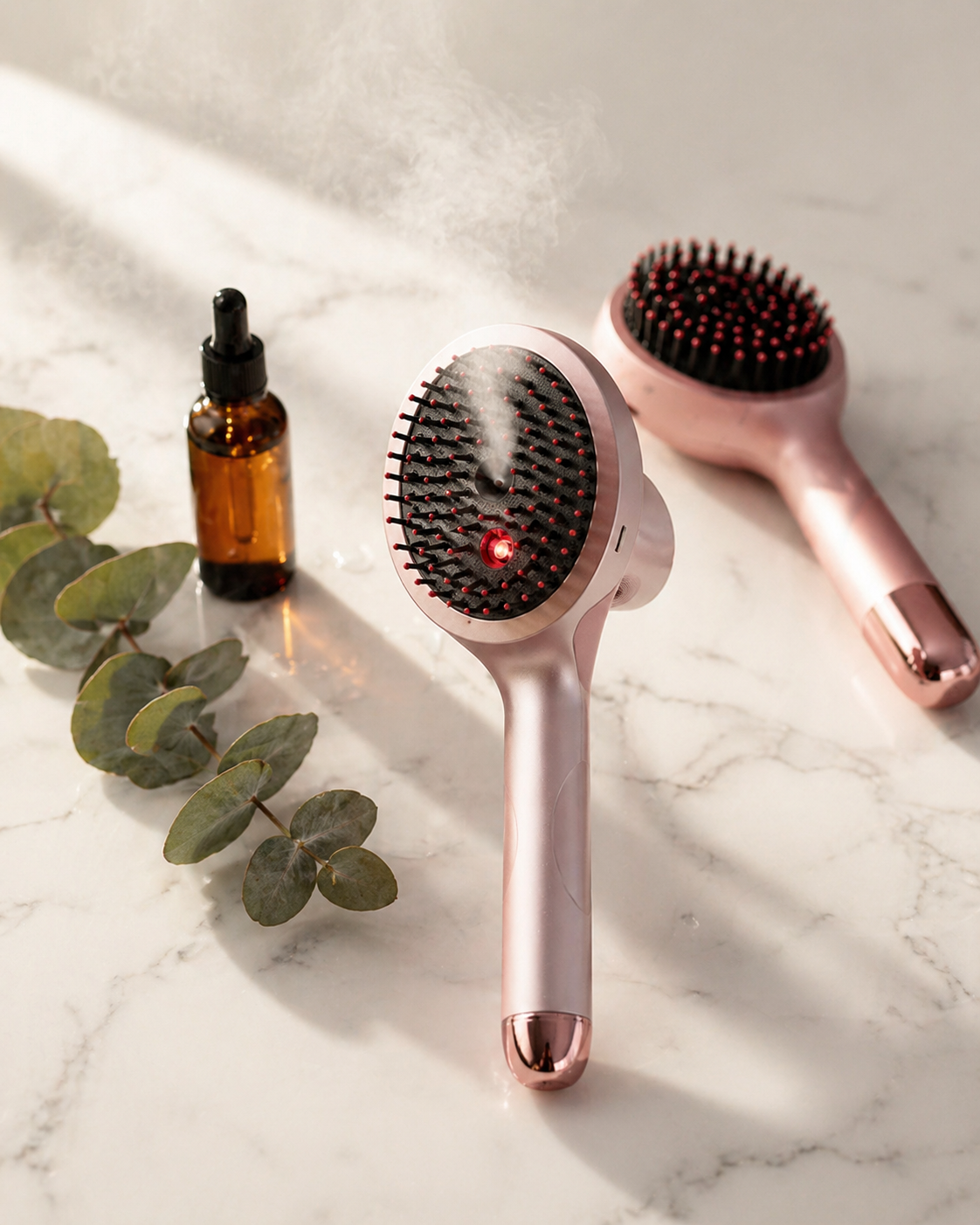
For a serum-led approach, the Rootli Serum Lab pairs naturally with the Rootli Serum Comb Serum-Infusing Scalp Massage Brush, which massages the scalp while helping distribute serum more evenly — a nice fit if your notes say your scalp feels dry or your roots look dull. If your weekly check-in shows you want light-based care in the mix, the Rootli Glow Comb Dual-Light Scalp Brush and the Rootli Pulse Pro – LED Light Cap both slot easily into a hands-on or hands-free evening ritual.
If your notes lean toward tension and tightness, massage-first tools tend to help most. The Rootli Stone Comb – Scalp Gua Sha is a five-minute pre-serum step that makes the rest of your routine feel better, and the Root Sculptor Premium Pink Scalp Comb – Gua Sha Massager gives you a slower, more tactile option for the days you want to unwind. For a warm weekly reset, the Rootli Cap turns a Sunday evening into a small scalp spa moment. And if you would rather have a curated starting point than build one piece by piece, The Natural Ritual Set and The Glow Detection Set are both designed around checking in first and choosing your care second.
Start With Curiosity, Not Correction
Scalp analysis works best when it comes from interest rather than worry. You are not hunting for problems. You are learning the small, ordinary rhythms of your own scalp — how it feels, how it changes, what it likes. That knowledge is what turns a shelf of random products into a routine that actually makes sense for you.
So this week, do the ten-minute check. Take three photos. Write two lines. Then let your before-and-after tracking tell you the rest. If you would like a little more support, start with the Rootli Diagnostic Pro to understand your scalp, or the Rootli Scope AI-Connected Scalp & Follicle Analyzer to see it more closely — and build your ritual from there.