Your scalp is the foundation of every hair look—and just like the skin on your face, it has its own rhythm, texture, and story to tell. Yet most of us rarely give it a second thought until something feels off. That’s where scalp analysis comes in. By learning to read your scalp’s signals and track changes over time, you can build a more intentional scalp care ritual that supports healthy-looking hair and a comfortable scalp. In this guide, we’ll walk you through how to do a simple scalp analysis at home, what to look for, and how to use those insights to create a routine that feels personal, gentle, and effective.
What Is Scalp Analysis and Why Does It Matter?
Scalp analysis is simply the practice of observing and understanding the condition of your scalp—its moisture levels, oiliness, sensitivity, and overall texture. Think of it as the facial skin analysis you might do on your face, but for the area where your hair grows. It’s not about diagnosing a problem; it’s about recognizing what your scalp feels like on a normal day, what it responds to, and what it needs to feel comfortable and balanced. When you know your scalp’s baseline, you can choose products and tools that feel supportive rather than reactive.
For a closer look at your scalp’s surface, tools like the Rootli Scope AI-Connected Scalp & Follicle Analyzer can help you see details that are invisible to the naked eye. It’s a beautiful way to bring curiosity and care into your routine.
Shop the scalp ritual
-
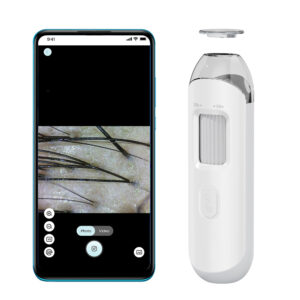
Rootli Scope AI-Connected Scalp & Follicle Analyzer
Price range: $158.00 through $178.00 Select options This product has multiple variants. The options may be chosen on the product page -
How to Read Your Scalp’s Signals: A Simple At-Home Assessment
You don’t need a salon appointment to start paying attention to your scalp. A five-minute check-in a few times a week can reveal a lot. Here’s how to make it a nourishing ritual instead of a clinical exam.
Start with Your Scalp’s Feel and Texture
Gently massage your scalp with your fingertips. Is it tight, flaky, or smooth? Does it feel damp, oily, or dry? These tactile clues help you understand your scalp’s moisture balance. The goal is not to judge, but to notice.
Look for Areas of Dryness or Oiliness
You may notice that some areas, like the crown, feel drier, while others, like the hairline, tend to be oilier. That’s normal. The goal isn’t to criticize—it’s to know where to focus your care.
Notice How Your Hair Feels at the Root
If your hair feels lank at the roots, your scalp might be producing more oil. If it feels brittle or static-y, the scalp might be craving hydration. Healthy-looking hair starts with a comfortable scalp.
Take Note of the Season and Your Routine
Seasonal changes and styling habits affect your scalp’s condition. Here are a few things to keep in mind:
- Cold, dry air can make the scalp feel tight and itchy.
- Hot, humid weather can increase oiliness.
- Heavy styling products can accumulate and dull the scalp’s natural glow.
- Stress and shifts in sleep can make the scalp feel more sensitive.
The Power of Before-and-After Tracking: What to Document and How
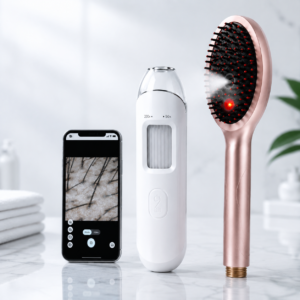
Tracking your scalp’s condition over time is more meaningful than a one-time look. It helps you see patterns, notice what works, and appreciate the small shifts that happen with consistent care. The Glow Detection Set is a wonderful companion for this. It’s designed to help you check scalp condition and build a more intentional routine, so you can go beyond feel and actually see what’s happening.
What to Photograph and Measure
Take photos of a few consistent areas—your hairline, crown, and the back of your head. Use the same lighting and angle each time. Note your scalp’s oiliness, tenderness, or flakiness on a scale of 1–10. Also record how your hair feels that day, like its texture at the root.
How Often to Check In
Once every two to four weeks is enough to see meaningful shifts. Your scalp, like skin, has its own renewal cycle, and it takes time for changes to become visible.
What to Expect on a Realistic Timeline
If you’re adding a new scalp care ritual, give it at least six to eight weeks. Initially, you may notice subtle changes in how your scalp feels—less tightness, a more relaxed sensation. Over time, the overall condition can look more balanced, and hair at the root may feel healthier. Keep your expectations kind and patient.
Building Your Scalp Care Ritual Around What You Discover
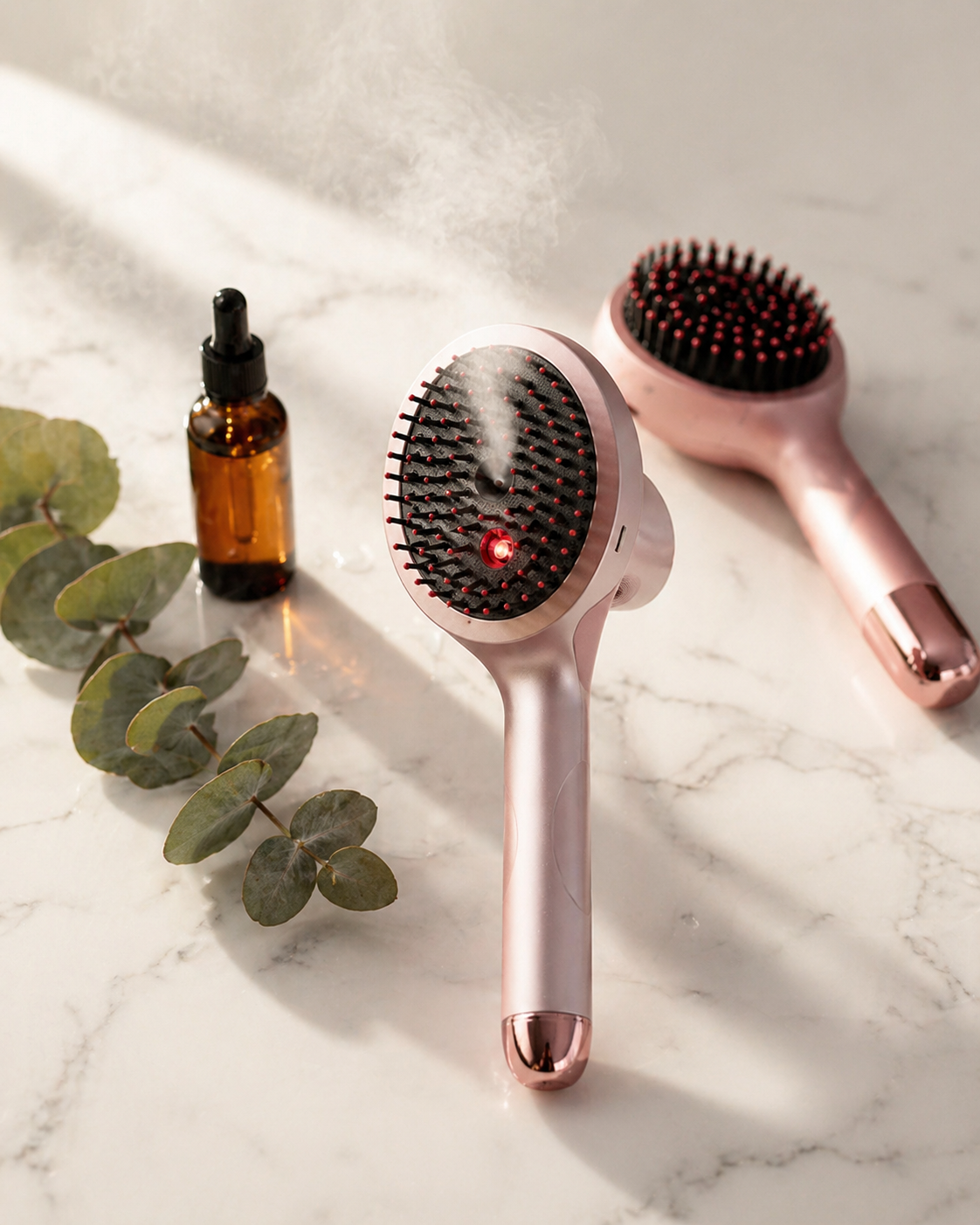
Once you’ve identified your scalp’s baseline, you can choose products that feel responsive to your needs. For everyday hydration, a lightweight serum can be a lovely daily step. Rootli Serum is designed for daily lightweight scalp serum care. For a more in-depth ritual, the Rootli Wand Pro 4-in-1 Smart Beauty & Scalp combines red light, EMS, massage, and serum-assisted techniques. And for ongoing observation, the Rootli Scope AI-Connected Scalp & Follicle Analyzer gives you high-definition visibility of your scalp and follicles, so you can track progress with confidence.
When to Adjust Your Routine (or Simply Give It Time)
Consistency beats intensity. If you’ve started a new ritual, try to stick with it for a few weeks before making changes. If your scalp feels tight, focus on gentle massage and serum application. If it feels oily, you might want to choose lighter formulas and avoid over-washing. Your scalp is a living surface—it responds to your care and your patience.
Remember, this isn’t about fixing a problem; it’s about building a relationship with your scalp that supports your hair’s natural shine and vitality. As you become more attuned to what your scalp needs, you’ll feel more empowered in your hair care choices.
Your Scalp Deserves a Ritual, Not a Reaction
Learning to analyze your scalp at home is a gentle act of self-care. It connects you to your body, your environment, and your personal beauty routine in a meaningful way. By combining observation, tracking, and the right products, you can create a scalp care practice that feels less like a chore and more like a moment just for you. Ready to give your scalp the same attention you give your skin? Explore Rootli’s collection of scalp care tools and serums and find a ritual that feels like a treat—not a chore. Because a healthy-looking scalp is the first step to your best hair days.