Your scalp is skin—your literal foundation for hair. And just like your face, it gives you clues about what it needs. Maybe it feels tight on winter mornings. Maybe your scalp gets a little shiny faster than you’d like. Or maybe you’ve never really thought about it until now.
That’s exactly where at-home scalp analysis comes in. It doesn’t require a dermatologist’s office or a complicated medical device. It simply asks you to press pause, look closer, and start noticing. Here’s how to do that with warmth, curiosity, and zero judgment.
Why At-Home Scalp Analysis Is Worth a Closer Look
When you think about your beauty routine, you probably focus on your face—cleansing, layering serums, moisturizing. But the scalp is part of that same skin ecosystem. It deserves the same level of care. Doing a quick scalp check at home helps you understand your skin’s current mood, so you can choose products and rituals that feel good and support balance.
You don’t need to become a dermatologist to benefit. A simple visual and sensory check can reveal a lot about moisture levels, product buildup, and how your scalp responds to your environment. Think of it as a mini check-in with your body.
Shop the scalp ritual
-
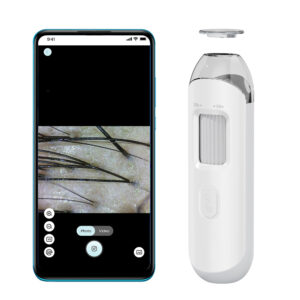
Rootli Scope AI-Connected Scalp & Follicle Analyzer
Price range: $158.00 through $178.00 Select options This product has multiple variants. The options may be chosen on the product page
How to Look at Your Scalp Without the Overwhelm
If you’ve never done a scalp examination, the idea might feel awkward or intimidating. But it’s actually quite simple. You just need good light, a few sections, and maybe a tool that helps you see more clearly.
Find Your Light
Natural light is best. Stand near a window or use a bright makeup mirror light. The goal is to see the scalp skin, not just the hair on top. Gently part your hair along a section—start at the crown or just behind your ears—and look at the color, texture, and any visible pores or roots.
Part Your Hair in Sections
Instead of trying to see everything at once, take one small section at a time. This makes the process feel manageable and gives you a clearer picture of what’s happening. Move gradually across the top, sides, and back of your head. You can use a comb or even your fingers to part the hair.
Use Tools That Help You See More
Sometimes your eyes need a little support. That’s where purpose-built tools come in. The Rootli Scope AI-Connected Scalp & Follicle Analyzer is designed to let you zoom in with a digital view, so you can actually see the surface details and even save images for future comparison. Similarly, the Rootli Diagnostic Pro is built around understanding your scalp before you choose a ritual. It’s not about acting on every observation right away—it’s about starting a conversation with your skin.
What to Look For: A Gentle Checklist
As you look at your scalp, you might notice things that seem unfamiliar. Here’s a simple, non-clinical guide to what your scalp might be telling you.
- Color and tone: A balanced-feeling scalp is often a soft, even tone. If you notice areas that look pink or red, your scalp might be feeling sensitive or stimulated.
- Texture: Run a fingertip lightly over the skin. Is it smooth, or does it feel a little rough or flaky? That can relate to dryness or product buildup.
- Feeling: Pay attention to sensation before and after touching. Tightness, oiliness, or a feeling of tenderness can all be gentle signals that your scalp is asking for something different.
Remember, there’s no perfect scalp. Variations are completely normal and change with the seasons, stress, and your routine. The point of at-home scalp analysis is to notice, not to judge.
Tracking Before-and-After Changes That Matter
One of the most powerful parts of understanding your scalp at home is tracking how it shifts over time. A single glance on a lazy Sunday is nice, but a record of observations—especially photos—can show you patterns you’d otherwise miss.
Try taking a scalp selfie once a week. Use the same parting point and lighting where possible. You might use the Rootli Scope to snap a detailed macro view and store it on your phone. Over the next few weeks, you can compare images side by side to see if the overall tone looks calmer, if texture seems smoother, or if some areas appear more hydrated.
You can also keep a mini journal. Jot down how your scalp felt on each check-in, what products you used, and how your environment was—humid, dry, stressful? That context turns your observations into a usable story. Over time, you’ll start to recognize what supports your scalp most.
Common Scalp Signals, Decoded Gently
As you practice at-home scalp analysis, you may bump into a few common experiences. Here’s how to interpret them in a beauty-first way.
When Your Scalp Feels Dry or Tight
If your scalp feels dry, it may be craving moisture. You might also notice the skin appears dull or slightly ashy at the roots. This can happen after heavy shampooing or during colder months. You can support a comfortable scalp by using gentle, hydrating products and massaging with tools like the Rootli Stone Comb – Scalp Gua Sha to help move natural oils and enhance your ritual.
When Your Scalp Feels Oily Fast
If your scalp tends to get shiny quickly, it might be overcompensating for being stripped. The key is to focus on balance rather than aggressive cleansing. A lightweight, daily serum can help. The Rootli Serum is designed as a daily lightweight scalp serum care, perfect for a quick, nourishing touch without heaviness.
When Your Scalp Feels Sensitive
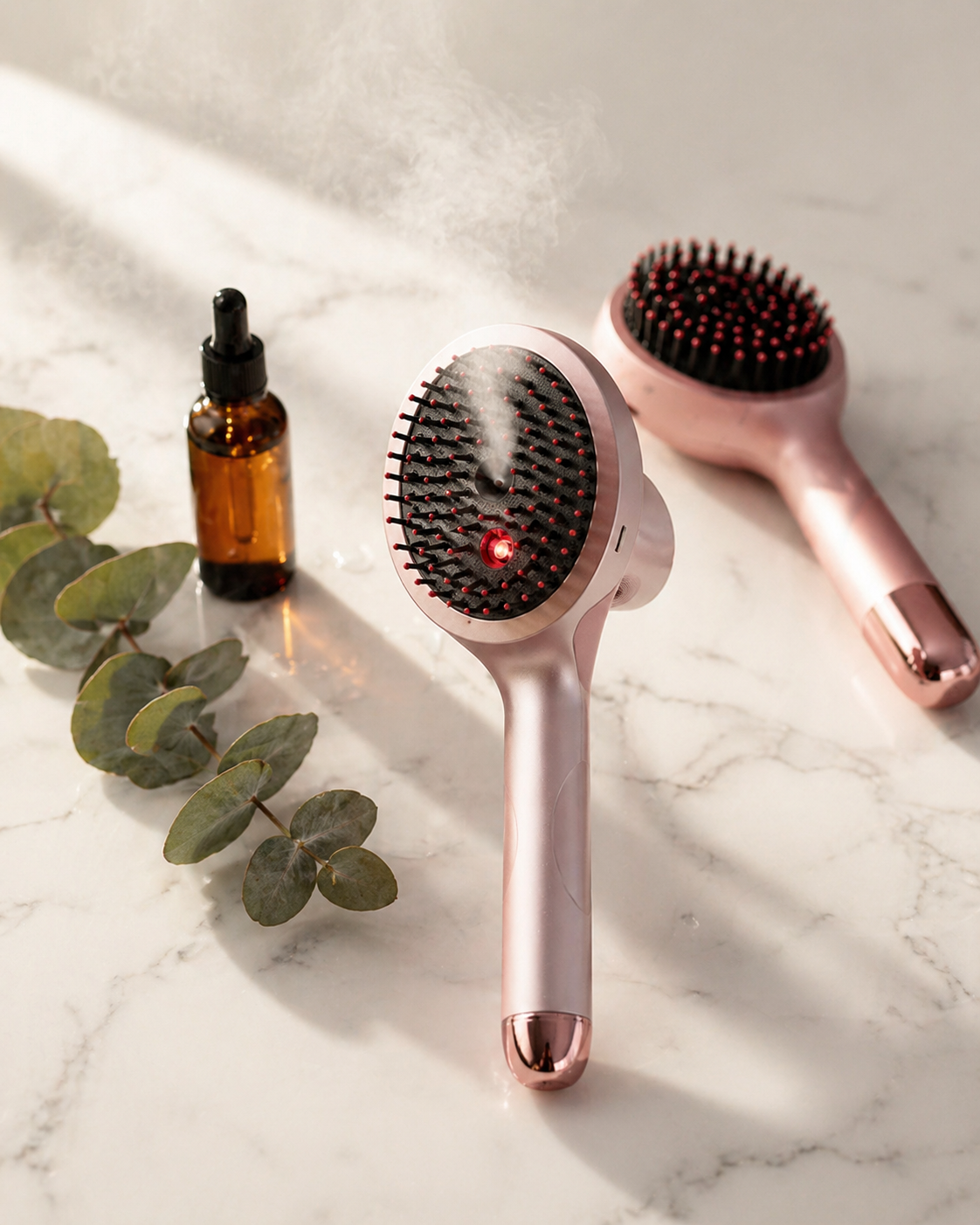
Sensitivity can show up as redness, a warm feeling, or just an overall sense of discomfort. This is a cue to simplify your routine and use tools that feel soothing. The Mist Hair Comb: Vibrating Scalp Massager pairs a gentle vibration with a mist applicator, so you can add a thin, even layer of serum without rubbing or tugging.
Turning Insight Into a Scalp Care Ritual
At-home scalp analysis should never feel like homework. It’s a way to deepen your relationship with your own body. Once you have a clearer sense of what your scalp is telling you, the next step is to build a ritual that feels genuinely enjoyable.
Start with a clean slate. Use a gentle, balancing shampoo and follow with a serum that suits your scalp’s current mood. A few minutes of massage using a tool you love—whether that’s the Root Sculptor Premium Pink Scalp Comb – Gua Sha Massager for a luxurious gua sha moment or the Rootli Pulse Pro – LED Light Cap for hands-free light-based scalp care—can transform an ordinary check-in into a self-care pause.
If you’re new to this, consider starting with the The Glow Detection Set. It’s designed to help you check your scalp condition and build a more intentional routine. And as you get more curious, the The Light Therapy Duo can become a lovely addition to your weekly rhythm.
The most important thing? Let your scalp be your guide. You don’t need to become an expert overnight. Just look, notice, and respond with kindness. Your scalp will thank you.