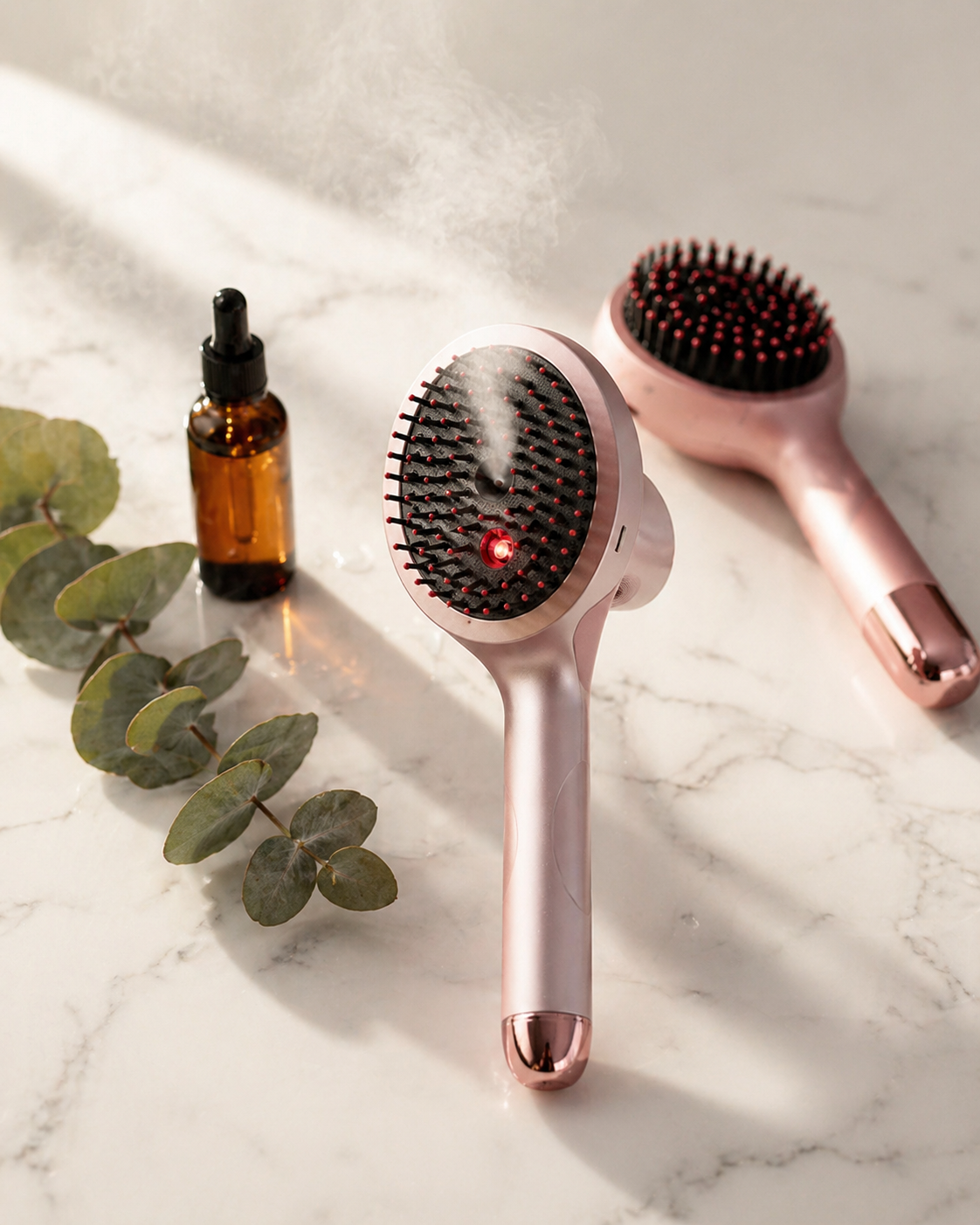
Think about the last time you really looked at your scalp. Not just a quick part-and-peek while checking for visible strands, but a genuine, curious look at the skin where your hair begins. Most of us treat our scalp like a hidden backdrop—until something feels off or we wish our hair looked fuller, shinier, or simply healthier. The truth is, your scalp is the foundation for everything you love about your hair, and the best way to nurture it is to understand it. That’s where at-home scalp analysis comes in. With simple observation, a few thoughtful tools, and a consistent tracker, you can learn more about your scalp and hair than you might expect—and build a ritual that makes you feel more confident in your skin.
Scalp care is really self-care. It’s a chance to slow down, listen to your body, and create a moment that’s just for you. In this guide, we’ll walk you through how to assess your scalp at home, what those signals might mean, and how to track changes over time so you can make informed, beauty-first decisions. No clinical jargon, no fear-based marketing—just a friendly, practical approach to scalp literacy.
What Your Scalp Is Trying to Tell You
Your scalp has its own language, and once you learn to listen, it becomes easier to respond with the right kind of care. Some signals are obvious, like flakiness or an itchy feeling. Others are quieter—like a persistent tightness after washing or a tendency to look oily by noon. The goal isn’t to diagnose anything; it’s simply to notice patterns and trends, the same way you might notice your skin feeling drier in winter or more congested before your cycle.
Here are a few common scalp observations and what they might gently point to:
- Oiliness or greasiness: If your scalp tends to look shiny soon after shampooing, it might be a sign that your cleansing routine is too gentle or too frequent. It can also be influenced by hormones or the weather.
- Dryness or flakiness: A parched sensation or visible flakes could suggest that your scalp is dehydrated, reacting to styling products, or simply needing a little more moisture. It’s not about dandruff—just about comfort.
- Itchiness or sensitivity: When your scalp feels scratchy or tender, it might be crying out for a break from harsh ingredients or tight hairstyles.
- Buildup or product residue: If your roots feel heavy even after washing, residue from styling products or hard water might be lingering on the skin.
- Uneven texture: Some areas might feel smoother, others rougher. This can be about circulation, tension, or even how you sleep.
This isn’t about labeling yourself. It’s about observing with curiosity. When you know what your scalp feels like on a typical day, you’ll be better at noticing subtle shifts—and that’s where tracking becomes powerful.
Shop the scalp ritual
How to Do a Simple At-Home Scalp Check
You don’t need a clinic visit to get a good read on your scalp. With a few minutes and a clear mirror, you can start a simple self-check ritual. Here’s a gentle, step-by-step approach:
Step 1: Start With Clean, Dry Hair
Pick a time when your hair is clean and completely dry—ideally at least 12 hours after washing. This gives you a neutral baseline. If you’ve just applied serum or oil, wipe it off lightly with a towel first.
Step 2: Part Your Hair in Sections
Use a wide-tooth comb or your fingers to create a deep part down the middle. Then make additional parts about an inch apart, both horizontally and vertically. This helps you see different zones of your scalp, not just the top.
Step 3: Look and Feel
In good lighting, look for anything that stands out: redness, flakes, shiny patches, or texture differences. Gently press your fingertips against the scalp to feel for tightness, tenderness, or areas that feel more oily or rough. Don’t worry about what’s “normal”—you’re just gathering information.
Step 4: Take a Photo (Yes, Really)
Your phone camera is your best tracking tool. Use the back camera, zoom in, and take several shots of each section. You’ll want to compare these photos over time, so try to keep the lighting and angle consistent. If you have a macro lens or a dedicated scalp camera, even better—but phone photos can be surprisingly useful.
Doing this once a week or even once a month is enough to start noticing patterns. The act of looking is itself a form of care; it sends a signal to your brain that your scalp matters.
Using Technology for Deeper Insight
Sometimes our eyes and fingers need a little help. That’s where innovative beauty tools come in, not as medical devices, but as thoughtful additions to your ritual. A good scalp analyzer can show you things you might miss, like subtle changes in the look of your follicles or the overall tone of your scalp skin.
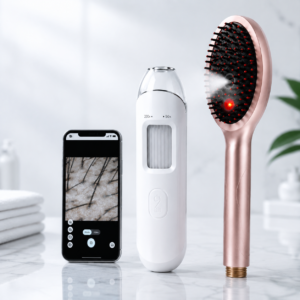
For example, the Rootli Diagnostic Pro is designed to help you understand your scalp before you choose a ritual. It gives you a closer look at the scalp environment, so you can feel more informed about the products and tools that suit you best. If you’re someone who loves data and noticing tiny shifts, this kind of insight can be deeply satisfying.
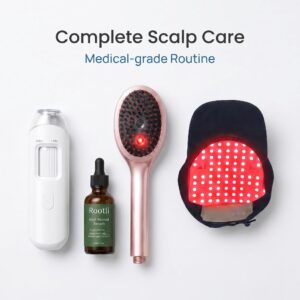
If you’re new to scalp analysis, the Glow Detection Set offers a gentle entry point. It encourages you to check your scalp condition regularly and build a more intentional routine—without overwhelming you with tech. You get the tools you need to see your scalp clearly and start tracking what you observe.
There’s also the Rootli Scope AI-Connected Scalp & Follicle Analyzer if you want a more detailed view. It pairs with an app (available for most smartphones) to help you capture and save images of your scalp over time. The key is to use these tools as part of your self-care, not as a source of anxiety. You’re not looking for problems; you’re looking for trends.
Tracking Before-And-After: Making It Sustainable
The real magic of scalp analysis is in the tracking. A single look tells you only a tiny piece of the story. When you revisit the same spots weeks or months later, you start seeing the bigger picture—how your scalp responds to the seasons, your stress levels, or a new product in your routine. That’s why a simple tracking system can be a game-changer.
You don’t need a fancy app. A notebook, a notes folder on your phone, or even a photo album works perfectly. Here’s what to record each time:
- Date and time of day (mornings and evenings can look different)
- How many days since your last wash
- What products you’ve used in the past week
- One or two words describing how your scalp feels (balanced, tight, oily, calm)
- Photos from each section, especially any areas of curiosity
After a month, take a look back. You might notice that your scalp looks calmer when you use a lighter conditioner, or that your roots feel fresher for longer when you use a particular serum. These are the small wins that lead to more confidence in your hair and your routine.
If you’re using tools like the Rootli Diagnostic Pro or the Glow Detection Set, you can use your documented observations to decide which products to reach for. Maybe you’ll see that your scalp looks happier with a little extra massage or a lighter layer of serum. The more you track, the more you learn to trust your own instincts.
Building a Scalp Care Ritual You’ll Actually Keep
Understanding your scalp is wonderful, but the real reward comes when you put that knowledge into action. The best scalp care ritual is one that feels like a treat, not a chore. It should be short enough to fit into your daily life, and flexible enough to evolve with your needs.
Think of it as a three-part rhythm: notice, nourish, and nurture. Notice what your scalp is telling you through your check-ins. Nourish it with the right products and tools—whether that’s a serum like Rootli Serum for daily lightweight care, or a massage tool like the Rootli Serum Comb to help distribute your serum evenly. And nurture it with consistency, giving your scalp the same patience you’d give your skincare routine.
For women who love a bit of tech, the Rootli Pulse Pro offers a hands-free, relaxing experience that you can enjoy while reading or watching TV. If you prefer a more hands-on approach, the Rootli Stone Comb is perfect for a five-minute gua sha-inspired massage before applying serum. There’s no single right way—only your way.
Remember, the goal isn’t perfection. It’s to feel more connected to your body and more confident in the hair you have. When you start examining and tracking your scalp, you’re not just chasing a future look; you’re honoring the skin you’re in right now.
So why not begin today? Set aside five minutes, take a deep breath, and give your scalp the attention it deserves. You might be surprised by what you learn—and by how good it feels to finally understand the foundation of your hair.
Of course, every scalp is different, and you know yours best. As you explore at-home scalp analysis, trust your instincts and choose products that align with your values. Rootli is here to support your journey with tools and formulas made for thoughtful, modern beauty rituals. Whether you’re just starting or already tracking, the most important thing is to approach this with curiosity and kindness.
Here’s to healthy-looking hair and a scalp that feels as good as it looks.