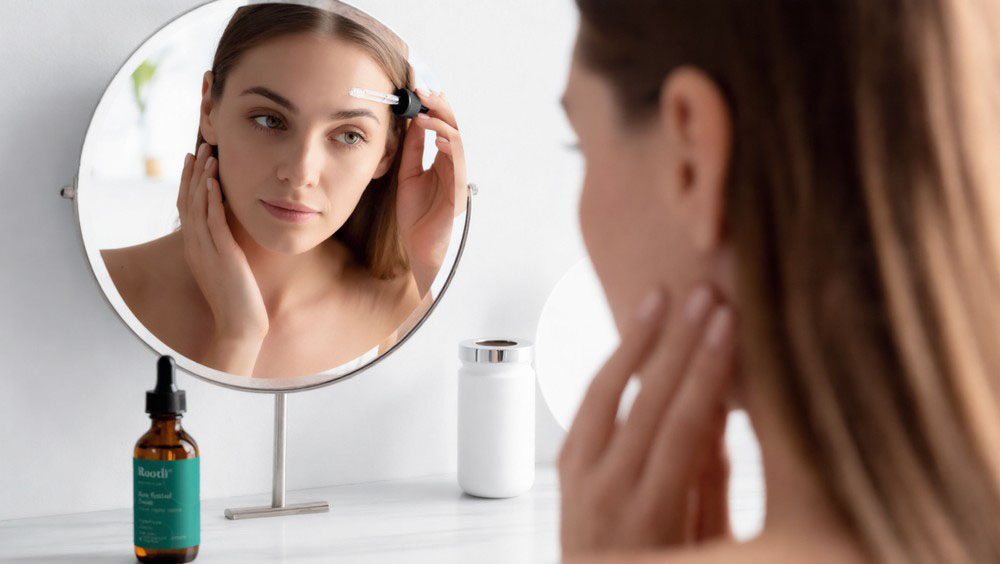
A dry, tight, or flaky-feeling scalp has a way of making itself known. It’s the itch you notice an hour after washing, the tightness that shows up when you raise your eyebrows, the small flakes on a dark sweater that make you want to disappear into the nearest coat. None of it is dramatic on its own — but it’s persistent, and it quietly chips away at how comfortable you feel in your own skin.
The good news is that a scalp like this usually doesn’t need a stronger product. It needs a softer one. A dry flaky scalp routine built around comfort, hydration, and consistency tends to do more for how your scalp feels than a shelf full of harsh treatments — and it slips easily into the beauty routine you already have.
Why a Dry, Tight, or Flaky-Feeling Scalp Often Wants Less, Not More
When your scalp feels dry or tight, the instinct is to reach for something more powerful — a clarifying shampoo, a stronger scrub, a treatment that promises to fix it fast. But a flaky-feeling scalp is often a signal that the skin up there is already working hard. It’s the same skin as your face, just with more hair follicles, more oil glands, and far less attention.
Over-cleansing is one of the most common culprits. Hot water, daily shampooing with a stripping formula, and long steamy showers can leave the scalp feeling squeaky-clean for about an hour and uncomfortably tight by evening. Add dry indoor air, seasonal shifts, tight hairstyles, and a habit of skipping conditioner near the roots, and you have a recipe for a scalp that feels like it’s constantly asking for something.
That’s why the most effective dry flaky scalp routine is usually the gentlest one. You’re not fighting your scalp — you’re giving back what daily life takes out.
Habits that quietly make tightness worse
- Washing with very hot water and a harsh, high-suds shampoo every single day
- Scrubbing with fingernails instead of fingertips
- Pulling hair back tightly while it’s still damp
- Layering heavy styling products right at the roots
- Ignoring the scalp entirely and hoping a mask on your ends will help
None of these are moral failures. They’re just defaults — and defaults are easy to change once you actually notice them.
It also helps to know that flaking isn’t always dryness. Sometimes it’s leftover product, a reaction to a new shampoo, or simply the result of a cold snap or a long flight. Before you overhaul everything, try simplifying: one gentle cleanser, one serum, one massage tool. Fewer variables make it much easier to see what’s actually helping.
Shop the scalp ritual
What a Dry Flaky Scalp Routine Should Actually Feel Like
A good scalp routine feels like a five-minute exhale, not a chore. Think warm rather than hot, gentle rather than vigorous, and consistent rather than intense. Here’s how the pieces fit together.
Cleanse without stripping
Start by washing less often, or at least less aggressively. If your scalp feels dry, try lukewarm water and a gentle, low-suds cleanser, and focus the shampoo on the scalp itself rather than the lengths of your hair. Massage with the pads of your fingers for a full thirty seconds before rinsing — it’s a small change that makes the whole wash feel more like care and less like a task.
If you use a scalp scrub, keep it to once a week at most and treat it as a treat, not a fix. Gentle beats gritty every time.
Hydrate with something lightweight
This is the step most people skip, and it’s the one your scalp notices most. A lightweight, non-greasy serum applied directly to the scalp can help it feel comfortable and balanced rather than tight. Rootli Serum is designed for exactly this — a few drops, parted sections, and a minute of massage. It’s the difference between a scalp that feels parched and one that feels quietly content.
Massage to bring the routine to life
Scalp massage is the most underrated step in any dry flaky scalp routine. It feels wonderful, it encourages you to actually touch and notice your scalp, and it helps whatever you apply afterward spread more evenly. You can absolutely use your fingertips, but a tool makes it easier to stay consistent.
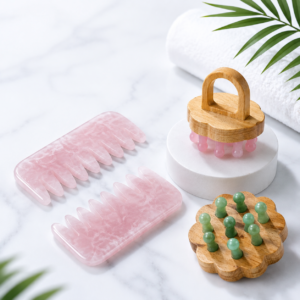
- Rootli Stone Comb – Scalp Gua Sha for a slow, five-minute massage that doubles as pre-serum prep
- Rootli Serum Comb Serum-Infusing Scalp Massage Brush for massaging and distributing serum through the scalp in one pass
- The Natural Ritual Set if you’d rather have a complete, gentle, tactile ritual ready to go
Add light-based care a few nights a week
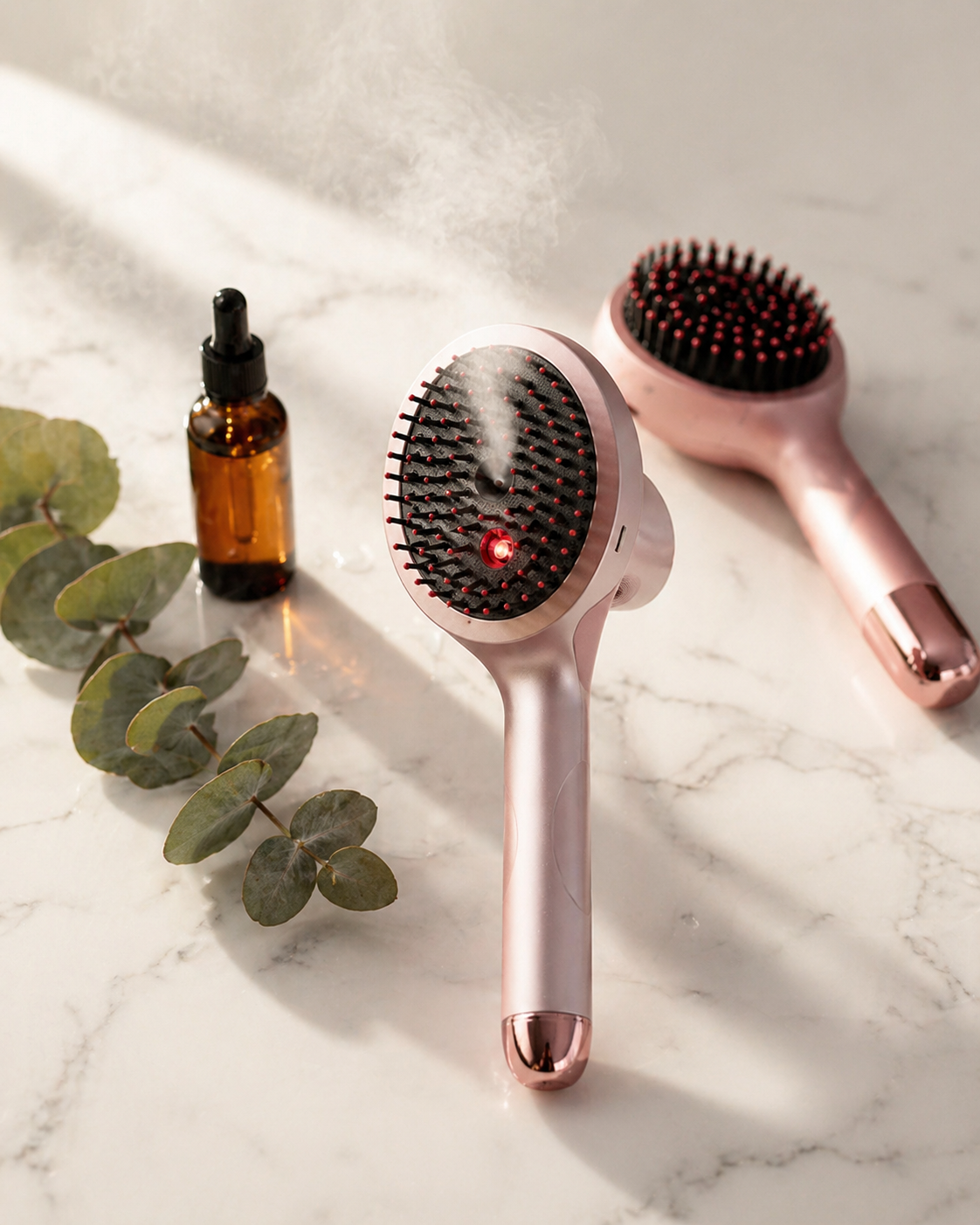
Light-based scalp tools have become a favorite for anyone who wants their routine to feel a little more spa-like. Used a few evenings a week, they turn scalp care into something you look forward to rather than something you squeeze in. Rootli Pulse Pro – LED Light Cap is hands-free, so you can wear it while you answer emails or read, and Rootli Glow Comb Dual-Light Scalp Brush works beautifully for a quick, focused pass along the part lines where tightness tends to show up first.
Make your surroundings a little kinder
Dry indoor heat, air conditioning, and long hot showers all pull moisture from the skin — scalp included. A humidifier in the bedroom, lukewarm rinses, and a hat on cold, windy days are small, unglamorous habits that make a real difference when your scalp runs dry. Drinking enough water and eating regular meals matters too. Your scalp is part of a body, not a separate project.
A Simple Routine You Can Repeat Three Nights a Week
Consistency beats intensity, so keep it short enough that you’ll actually do it. Here’s a rhythm that works well for most people with a dry, tight, or flaky-feeling scalp.
- Night one: gentle wash, then a few drops of Rootli Serum and two minutes of fingertip massage
- Night two: dry scalp massage with your comb or gua sha tool, no product needed
- Night three: serum, then ten minutes of light-based care while you wind down
On the nights in between, leave your scalp alone. Rest is part of the routine too.
If your scalp leans very dry, a nano mist can add a soft layer of hydration without weighing hair down. Rootli Infuser – Nano Mist Scalp Device is lovely for this, and the Mist Hair Comb: Vibrating Scalp Massager combines mist application with a gentle vibrating massage if you like your tools to multitask.
Tracking What Actually Helps Your Scalp
One of the reasons scalp care feels confusing is that we rarely look at our actual scalp. We look at our hair. Taking a closer look every few weeks — in good lighting, with a part line you don’t usually make — helps you notice whether things are feeling and looking calmer over time.
If you like a little data with your ritual, The Rootli Diagnostic Pro is built for understanding your scalp before choosing a routine, and Rootli Scope AI-Connected Scalp & Follicle Analyzer gives you a closer view of scalp and follicle visibility so you can track changes month to month. Neither replaces professional advice — they’re simply a way to be more intentional.
Keep a quick note in your phone: how does your scalp feel on day one after washing, and how does it feel on day three? That single observation tells you more than any product description ever will.
When to Pause and Ask a Professional
Most dryness, tightness, and light flaking responds well to gentler habits over a few weeks. But if your scalp is painful, bleeding, intensely itchy, or if you’re noticing patchy changes in your hair, that’s a moment to check in with a dermatologist or physician rather than adjust your routine again. That’s not alarming — it’s just sensible. Some scalp conditions are best looked at by someone who can see what you can’t.
Your Scalp Deserves the Same Care as Your Face
You already know how much difference a consistent, gentle routine makes for your skin. Your scalp is the same skin with the same needs — it just gets far less attention. A dry flaky scalp routine doesn’t have to be complicated, expensive, or clinical. It can be five quiet minutes, a few nights a week, with tools that feel good in your hands.
Start with one change this week. Add a serum, add a massage, add a light session. Then let it become a habit. If you’d like a gentle starting point, The Natural Ritual Set and Rootli Serum are the two we reach for most often for scalps that feel dry, tight, or flaky — calm, simple, and easy to keep up with.