Most of us know our face well. We can tell when our skin feels tight, when it looks dull, when a serum is finally doing something. Our scalp rarely gets that same familiarity. It hides under hair, so we mostly notice it when something feels off — a little itch, a bit of tightness, a few flakes on a dark sweater. Scalp analysis is the simple habit of changing that. It means looking, feeling, and tracking before you decide what your scalp actually needs.
You do not need a clinic appointment to do it. With a few quiet minutes, good light, and the right tools, an at-home scalp analysis can help you build a scalp care routine around what you really see instead of what a trend tells you to buy. And when you add before-and-after tracking over a few weeks, you get something even more valuable than a single answer: an honest picture of how your scalp behaves over time.
Why Scalp Analysis Changes the Way You Care for Your Hair
Hair gets the spotlight, but the scalp is the environment hair grows from. When that environment feels comfortable and balanced, hair tends to look shinier, sit more smoothly, and simply behave better. When the scalp feels congested, dry, or irritated, everything downstream gets harder — styles fall flat, products stop performing the way they used to, and wash day turns into guesswork.
Scalp analysis gives you a baseline. Instead of reacting to every flaky week with a brand-new shampoo, you start to see patterns. Maybe your scalp feels tight every time you wash with hot water. Maybe the crown gets oily by day two while the hairline stays dry. Maybe the itch you blamed on buildup is actually a reaction to a fragrance-heavy product. None of that shows up in a mirror glance. All of it shows up in a record.
Here is what a real at-home scalp analysis habit gives you:
- A baseline you can compare against, week to week
- Clarity about whether your scalp leans oily, dry, sensitive, or somewhere in between
- Evidence that a product is helping — beyond how nice it smells
- Fewer impulse purchases and a more intentional routine
- A calmer, less anxious relationship with your hair
It also makes you a sharper reader of beauty advice. When you know your scalp, you can tell which recommendations actually apply to you and which are just noise.
Shop the scalp ritual
-
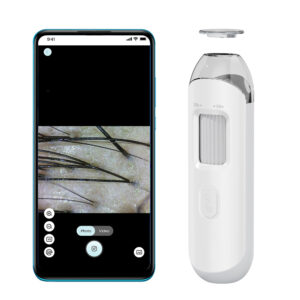
Rootli Scope AI-Connected Scalp & Follicle Analyzer
Price range: $158.00 through $178.00 Select options This product has multiple variants. The options may be chosen on the product page -
How to Do an At-Home Scalp Analysis in Three Quiet Steps
You can do a complete scalp analysis in under ten minutes. Do it on a dry scalp, ideally the evening before wash day, and keep the mood relaxed rather than clinical. Think of it as a check-in, not an exam.
Step One: Feel Before You Look
Start with your hands. Press your fingertips to your scalp and move from hairline to crown in slow, small circles. You are not massaging yet — you are listening.
- Tightness or tenderness anywhere along the part line
- Small bumps or spots that feel different from the rest
- Dryness near the hairline versus oiliness at the crown
- A waxy or coated feeling that suggests buildup
- How strong your urge is to scratch
Note these in your head or your phone. Touch often reveals what light hides.
Step Two: Look With Light and Magnification
Your eyes alone miss a lot. Overhead bathroom lighting flattens everything, and hair covers the areas that matter most. This is where a close-up tool earns its place in your routine. The Rootli Scope AI-Connected Scalp & Follicle Analyzer connects to your phone so you can see the scalp and follicle area magnified on screen, which makes comparing sections far easier than squinting into a mirror.
Part your hair in four places — front hairline, both temples, crown, and nape — and take a slow look at each one. You are not looking for a verdict. You are looking for differences: where the scalp looks calm, where it looks shiny, where you see flaking, where the part line looks denser or finer than you remembered.
Step Three: Write It Down While It Is Fresh
Memory is a terrible record keeper, especially about our own bodies. Two sentences in your notes app is enough:
- Today’s date and how your scalp felt overall
- Anything you noticed in each of the four sections
- What you washed with, styled with, or applied this week
After three or four entries, patterns start to appear. That is the whole point.
Before-and-After Tracking: What to Capture and How Often
Before-and-after tracking is where scalp analysis stops being a nice idea and becomes genuinely useful. One look tells you what is happening today. A series of looks tells you what is changing — and whether the changes you are hoping for are actually showing up.
Build a Four-Shot Baseline
Take four photos the same day: hairline, part line, crown, and nape. Keep the conditions identical so the comparison is fair.
- Same spot, same time of day, same window or lamp
- Dry, unstyled hair — no product, no fresh blowout
- Phone at the same distance, no flash if you can help it
- Label them with the date and save them to one album
Those four photos become your starting line. Without them, every future comparison is a guess.
A Tracking Rhythm That Actually Sticks
You do not need to do this daily. A light rhythm works better than an intense one you abandon by week two.
- Weekly: a two-minute feel check plus one photo of the area you care about most
- Monthly: a full four-shot set and a side-by-side comparison
- Seasonally: a note about weather, travel, or stress, since these shift how skin and scalp behave
- When trying something new: give it a full four weeks before you judge it
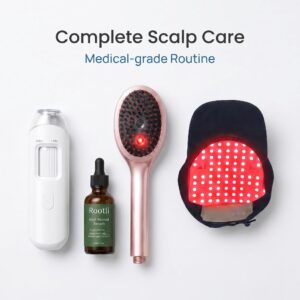
If you like having everything in one place, the Glow Detection Set was built for exactly this — checking scalp condition and turning those observations into a more intentional routine.
What Your Scalp Notes Might Be Telling You
After a month of tracking, most people notice one or two clear patterns. A few common ones:
- Oily at the crown by evening, dry at the ends: often a sign of over-washing or heavy leave-in products near the roots
- Tightness and flaking after washing: frequently linked to water temperature or a cleanser that is too stripping
- Itch that shows up with a specific product: worth pausing that product and noting what happens over the next two weeks
- Flaking that does not change with routine: a good reason to check in with a dermatologist rather than experiment further
That last point matters. At-home scalp analysis is a beauty habit, not a diagnosis. If something looks inflamed, feels painful, or simply will not settle, that is a conversation for a doctor or dermatologist — not a serum. What your notes can do is help you describe what you have seen clearly when you get there.
Matching Your Routine to What You See
Once you know your scalp, the routine almost writes itself. A few directions that tend to work well:
If your scalp feels congested or coated, focus on gentle, regular cleansing and a few minutes of manual massage to help things feel fresh again. The Rootli Stone Comb – Scalp Gua Sha is a lovely five-minute option before you apply anything, and it doubles as pre-serum prep.
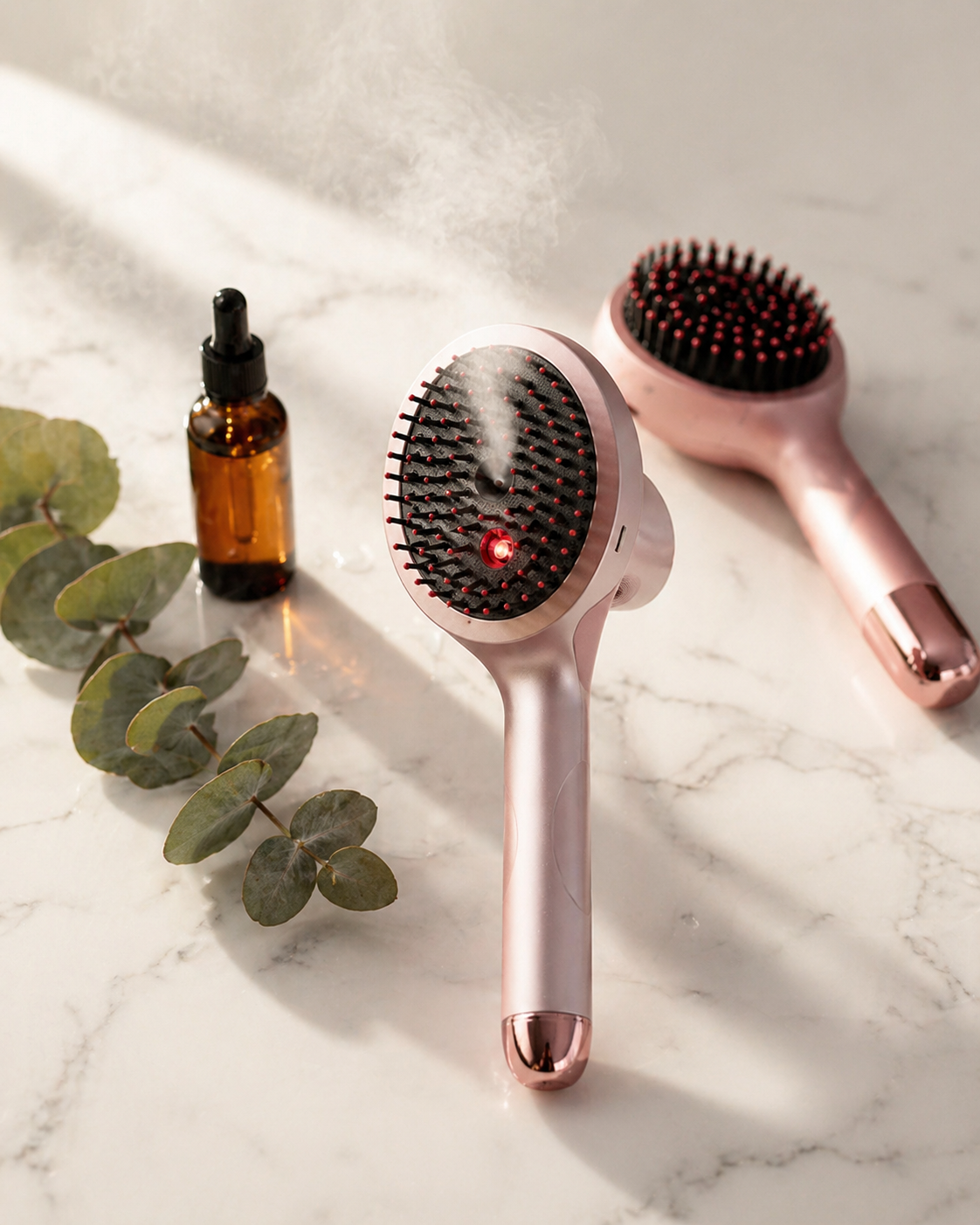
If your scalp feels dry or tight, lean into nourishing steps. The Rootli Serum is a lightweight daily option, and the Rootli Serum Comb Serum-Infusing Scalp Massage Brush helps spread serum evenly through the scalp instead of leaving it in one spot. If you prefer a misted, hands-on approach, the Mist Hair Comb: Vibrating Scalp Massager pairs mist application with a gentle vibrating massage.
If you want to build a light-based ritual into your week, the Rootli Pulse Pro – LED Light Cap offers hands-free red and blue light scalp care you can wear while you answer emails. And if you love the feeling of a warm weekly reset, the Rootli Cap turns ten minutes into a small scalp spa moment.
Whatever you choose, give it time and keep tracking. Four weeks of consistent notes will tell you more than four different products tried in a weekend.
Your Scalp Deserves a Second Look
Scalp analysis is not about finding problems. It is about paying attention — the same way you would notice that your skin is drier in February or that a new moisturizer is finally working. Before-and-after tracking simply gives that attention somewhere to live.
Start small. One feel check, one photo, one note. If you want a more precise starting point, the Rootli Diagnostic Pro is designed to help you understand your scalp before choosing a ritual, and the Rootli Scope AI-Connected Scalp & Follicle Analyzer makes the close-up look easy. Your scalp has been waiting for the same care you give your face. This is a beautiful place to begin.