The skinification of haircare is one of those shifts that sounds like a trend but is really just common sense catching up with beauty. For years we treated our scalp like an afterthought — something to shampoo and forget — while layering serums, essences, and SPF on our faces with genuine devotion. Now the two worlds are merging, and the scalp is finally getting the same thoughtful, gentle, ingredient-aware care we already give our skin.
If you have ever wondered why your hair feels flat, why your scalp feels tight by Thursday, or why your roots never look quite as glossy as your ends, the answer often lives at the very top of your head. A comfortable, balanced-feeling scalp is the foundation of hair that looks healthy. Here is what the skinification of haircare really means, and how to build a scalp care routine that fits into real life.
What the Skinification of Haircare Actually Means
The skinification of haircare describes a shift in how we think about the top of our head. Instead of asking only what a product does for strands, we ask what it does for the scalp beneath them: does it feel comfortable, does it leave a balanced-feeling scalp behind, does it support the environment where hair grows? The language moves from lather and volume to hydration, barrier-friendly formulas, gentle exfoliation, and consistency. If that sounds like skincare vocabulary, that is exactly the point.
You can see it in the way product categories have blurred. Scalp serums sit next to facial serums. Massage tools look like they belong on a vanity tray. Ingredients once reserved for face creams — niacinamide, hyaluronic acid, gentle acids, peptides — now appear in scalp formulas. And the tone has changed too: fewer sweeping promises, more routines people can actually keep.
Your scalp is skin, not just a backdrop for hair
The scalp is skin — thicker in places, richer in follicles and oil glands, but skin all the same. It has a barrier to protect, a microbiome to keep comfortable, and its own rhythm of oil production and renewal. When that environment feels balanced, hair tends to look shinier and sits better at the root. When it feels stripped, tight, or overloaded with heavy product, you notice it in how your hair falls and how your scalp feels by the end of the day. Skinification simply acknowledges that the healthiest-looking hair starts with a scalp that feels good.
Shop the scalp ritual
-
Sale!
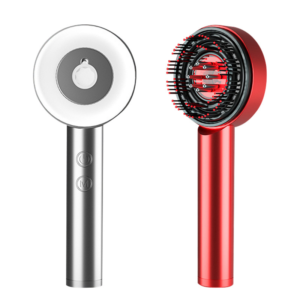
Rootli Serum Comb Serum-Infusing Scalp Massage Brush
Original price was: $198.00.$178.00Current price is: $178.00. Select options This product has multiple variants. The options may be chosen on the product page -
Why Scalp Routines Are Becoming the New Skincare Step
The shift makes sense when you look at how beauty habits evolve. We did not start using eye cream because someone handed it to us at birth — we added it because a friend mentioned it, because a mirror showed us something, because it felt like a small act of care at the end of a long day. Scalp care is following the same path, and it fits neatly into the routines we already keep.
Habit stacking made it stick
Most of us do not need another elaborate routine. We need steps that attach to things we already do. Scalp care slots naturally into wash day and into the ten quiet minutes before bed. A few drops of serum massaged in while you are already in the bathroom. A two-minute massage while a podcast plays. A weekly treatment on the same night you do a face mask. Because the step is small and predictable, it survives busy weeks.
Tools turned routine into ritual
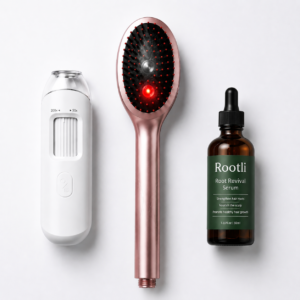
The other reason scalp care has taken off is tactile. There is something genuinely soothing about a cool comb gliding across the scalp or the gentle vibration of a massager. Tools make the step feel like a treat rather than a task, which is why so many people keep them on the bathroom counter instead of in a drawer. If you are curious about the category, The Natural Ritual Set is a good place to start because it keeps the experience gentle and tactile rather than complicated.
How to Build a Scalp Care Routine You Will Actually Keep
A scalp routine does not need twelve steps. It needs three or four that you will repeat, in an order that makes sense, with products that feel pleasant enough to reach for again.
Step 1: Cleanse without stripping
Wash day is the anchor. Shampoo the scalp rather than the lengths, use lukewarm water, and let the lather do its work at the root. If your scalp feels tight or squeaky after washing, that is a signal to look for a gentler formula or to wash slightly less often. You do not need to scrub aggressively — a light, thorough cleanse is enough. Follow with conditioner on the mid-lengths and ends, keeping heavy formulas away from the root area so your scalp stays comfortable.
Step 2: Treat with a lightweight serum
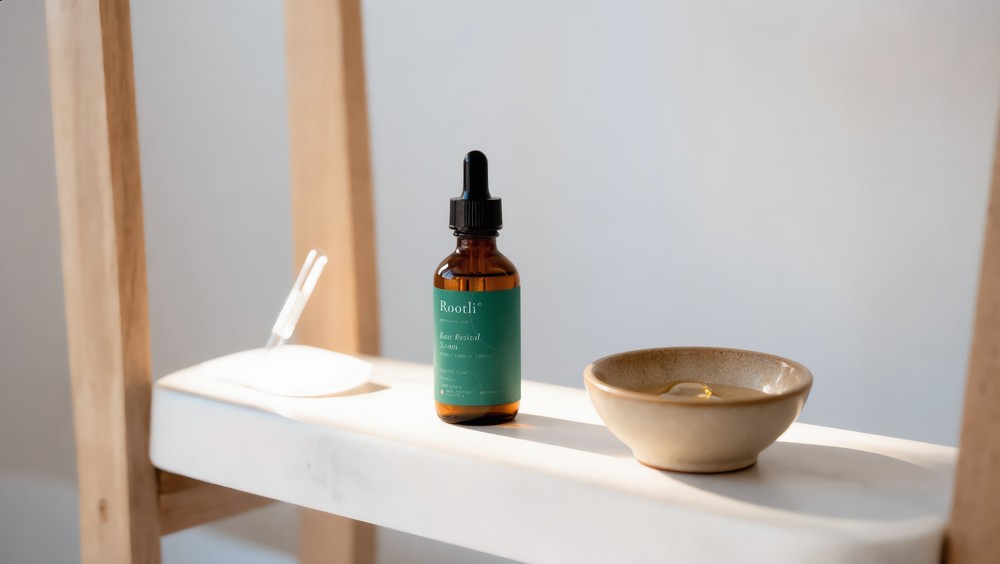
This is the step that feels most like skincare, and the one most people skip. A scalp serum is a leave-in treatment applied directly to the scalp, usually with a dropper or an applicator tip, then massaged in. Look for lightweight textures that sink in without leaving residue, because a heavy layer at the root can make hair look flat before lunch. The Rootli Serum is designed as a daily lightweight option, and if you prefer a structured approach, The Rootli Serum Lab organizes serum-led nourishment into a routine you can actually follow. Apply to a dry or damp scalp, part in sections, and use a few drops per section rather than flooding one spot.
Step 3: Massage, the two-minute step that changes the feel
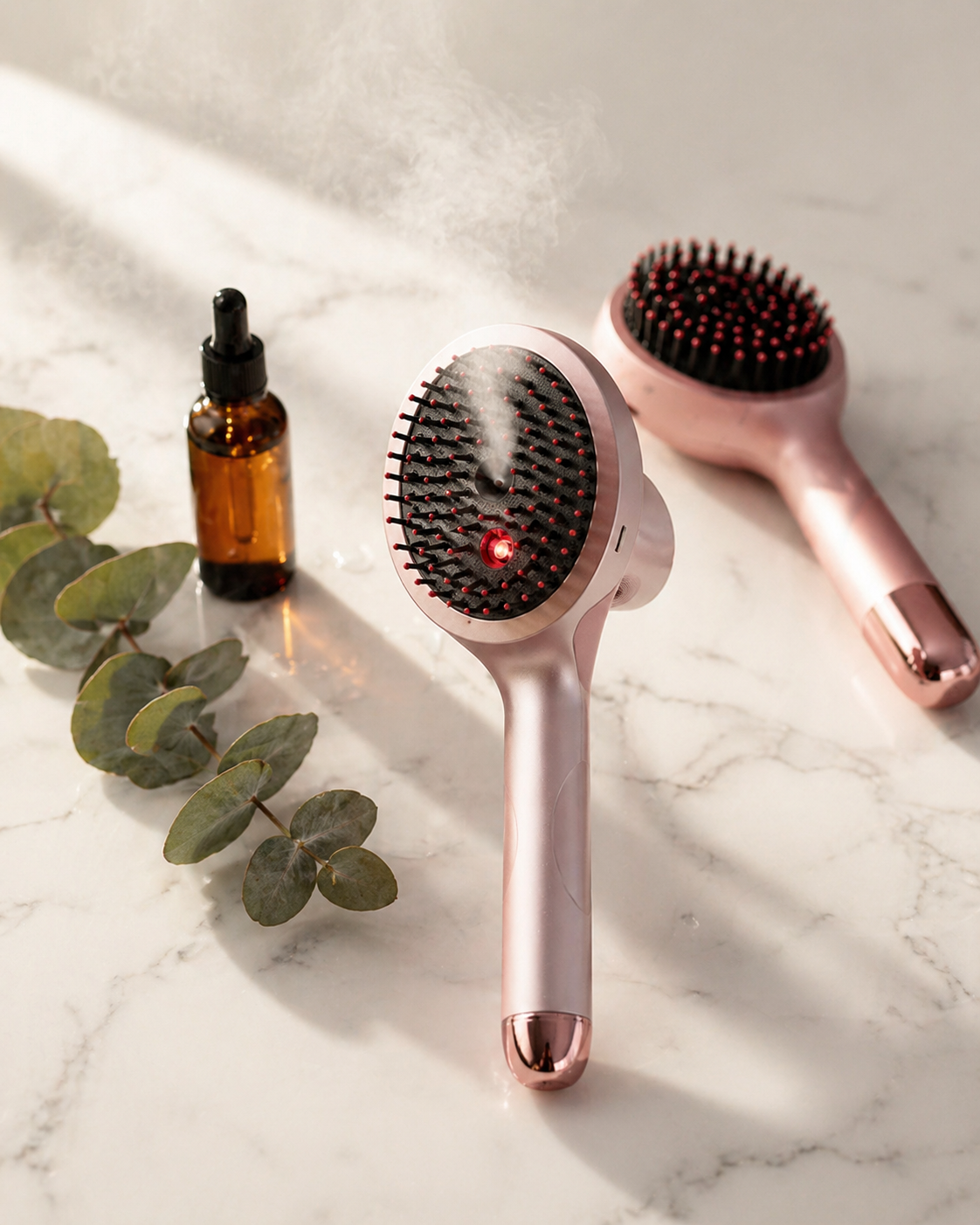
Massage is where scalp care becomes a ritual. Beyond feeling wonderful, it helps you distribute serum evenly instead of leaving it pooled in one place, and it encourages you to actually notice your scalp instead of rushing past it. Use fingertips in small circles, or use a tool for a more even, gliding pressure. The Rootli Serum Comb Serum-Infusing Scalp Massage Brush combines massaging and serum distribution in one pass, which makes it an easy entry point. If you prefer a slower, more sculpting motion, the Rootli Stone Comb – Scalp Gua Sha is made for a five-minute massage and pre-serum prep.
Step 4: Add a weekly treatment
Once the daily steps feel automatic, a weekly treatment gives the routine a little ceremony. Light-based tools have become popular because they are hands-free and easy to use while you read or answer emails. The Rootli Pulse Pro – LED Light Cap offers hands-free red and blue light scalp care, while The LED Power Duo pairs full-scalp LED coverage with targeted comb care. Pick one night a week, set a timer, and treat it as your scalp’s version of a face mask.
How to Know What Your Scalp Actually Needs
The most underrated skincare skill is observation. Before you buy anything, spend a week noticing. Is your scalp oily a day after washing or three days after? Does it feel tight after cleansing? Are there flaky patches near the hairline, or is the discomfort mostly around the crown? Do you see buildup, or does your scalp feel calm and unremarkable? Those observations will tell you more than any generic quiz.
If you like data, tools that let you see your scalp up close can make the routine feel more intentional. The Rootli Scope AI-Connected Scalp & Follicle Analyzer is built for scalp and follicle visibility, and The Rootli Diagnostic Pro is designed for understanding the scalp before choosing a ritual. If you would rather start with a guided set, The Glow Detection Set focuses on checking scalp condition and building a more intentional routine. Think of these as mirrors, not verdicts — a way to notice change over time.
A Realistic Weekly Rhythm
Here is what a low-effort, high-consistency week can look like. Nothing on this list takes more than ten minutes.
- Wash days: gentle cleanse at the root, conditioner on the ends, a few drops of serum, and two minutes of massage.
- Non-wash days: a dry massage with a comb or fingertips, or a light mist if your scalp feels thirsty.
- Once a week: a longer session — light therapy, a full five-minute massage, or both, ideally on a night you are already relaxing.
- Once a month: a quick look at your scalp with a mirror or an analyzer, plus a note on how it feels compared to last month.
The point is not perfection. It is repetition. A routine you do three times a week beats a perfect routine you do once and abandon.
What to Expect, and What to Skip
Beauty-safe honesty matters here. Scalp care supports scalp health, and a comfortable, balanced-feeling scalp is a genuinely good thing to have. What it is not is a magic switch. You will likely notice feel first: a scalp that is less tight, less product-heavy, more at ease. Then you may notice look: roots that sit a little better, hair that appears glossier, styles that hold their shape. Those are realistic, lovely outcomes.
Skip anything that promises certainty, pressure, or fear. Skip harsh scrubbing, over-washing, and piling heavy oils at the root if your scalp already feels oily. And skip the idea that you need every tool on the shelf. Start with one product and one habit. Add the next thing only when the first feels effortless.
If you are dealing with persistent scalp discomfort, flaking, or hair changes that concern you, that is a conversation for a healthcare professional — not a beauty routine. Scalp care is a lovely complement to that care, never a replacement for it.
Your Scalp Care Ritual Starts With One Small Step
The skinification of haircare is not asking you to overhaul your bathroom shelf. It is asking you to look up — to the few inches of skin you have been ignoring while you perfected everything below it. Choose one step tonight. Massage your scalp for two minutes. Add a few drops of serum. Take a quiet look in the mirror and notice what is actually there.
If you want a starting point that feels like a ritual rather than a chore, The Natural Ritual Set keeps things gentle and tactile, while The Rootli Serum Lab makes serum-led care simple to keep up with. Whichever you choose, keep it small, keep it kind, and let consistency do the rest. Your scalp has been waiting for the same attention you give your skin — and it is ready when you are.