If your feed has started to look like a skincare aisle for your head, you are watching the skinification of haircare happen in real time. Scalp serums, scalp massagers, scalp mists, gentle scalp exfoliants, LED caps, gua sha combs. The language, the textures, and the rituals all feel borrowed from the routine already sitting on your bathroom counter. That is not a coincidence. It is a quiet shift in how we think about hair.
For a long time, hair care meant shampoo, conditioner, and hope for the ends. The scalp got a quick scrub and nothing else. But the scalp is skin. Living, changing, and influenced by the same things that influence your face: cleansing habits, product buildup, stress, weather, and consistency. The skinification of haircare simply gives that skin the attention it has always deserved.
What the Skinification of Haircare Actually Means
Skinification is the practice of treating the scalp with the same care philosophy we apply to facial skin. Instead of focusing only on strands once they have already grown, you focus on the environment those strands live in. How clean it feels. How comfortable it feels. How balanced it feels. And how well the products you use actually suit it.
In practical terms, it means borrowing a few good habits from skincare:
- Cleansing gently instead of aggressively, so the scalp does not feel stripped or tight afterward.
- Layering lightweight products, like a serum or a mist, instead of relying on heavy conditioners alone.
- Massaging regularly to help you relax and to help products spread more evenly.
- Checking in on your scalp the way you check in on your skin, so you notice changes early.
Skincare steps, translated for your scalp
Think of it as a remapping. Cleanser becomes a gentle scalp wash. Toner becomes a refreshing mist. Serum becomes a scalp serum. Facial massage becomes scalp massage. Sun protection becomes SPF along your part line. A weekly mask becomes a weekly warm scalp ritual. Same instincts, different real estate.
Why it took so long to get here
Hair is visible, so hair got the attention. The scalp is mostly hidden underneath it, so it was easy to ignore. Add decades of marketing built around shine, volume, and split ends, and the scalp became an afterthought. Social media changed the math. Once people started filming their scalp routines and showing close-ups of how their scalp looked and felt over time, the category grew fast. Suddenly the invisible part of hair became the interesting part.
Shop the scalp ritual
-
Sale!

Rootli Glow Comb Dual-Light Scalp Brush
Price range: $158.00 through $178.00 Select options This product has multiple variants. The options may be chosen on the product page -
Why Your Scalp Deserves the Same Care as Your Face
Your scalp has pores, oil glands, hair follicles, nerves, and its own little ecosystem. It is skin, with one extra job: growing hair. That means the things you do to it matter, not in a dramatic overnight way, but in a cumulative everyday way.
When the scalp feels congested from leftover product, it can feel itchy or uncomfortable. When it is cleansed too harshly, it can feel tight and dry. When it is neglected for weeks, it can look dull under bright light and hair can fall flat at the roots. None of these are emergencies. They are simply signals that the scalp would like a little more attention.
A comfortable, balanced-feeling scalp is the goal, not a perfect one. Healthy-looking hair usually starts with a scalp that is not being irritated, over-washed, or buried under layers of product.
What scalp-first care looks like in practice
It looks like fewer products used more thoughtfully. A gentle cleanse. A serum applied to the scalp rather than the ends. A two-minute massage while your conditioner sits. A weekly ritual that feels like a treat instead of a task. Over time, these small moves add up to a scalp that feels calm and hair that looks glossier and fuller at the root.
How to Build a Scalp Care Routine That Fits Real Life
You do not need ten steps or a shelf full of devices. You need a rhythm you can actually keep. Here is a simple framework that works whether you wash daily or once a week.
1. Cleanse with intention
Start with wash day. Focus shampoo on the scalp, not the lengths, and use your fingertips rather than your nails. Rinse longer than feels necessary. If your scalp tends to feel tight after washing, that is a hint to look for a gentler formula or to stretch the time between washes slightly. Lukewarm water is your friend here. Hot water feels nice in the moment and leaves the scalp feeling drier afterward.
2. Treat and nourish
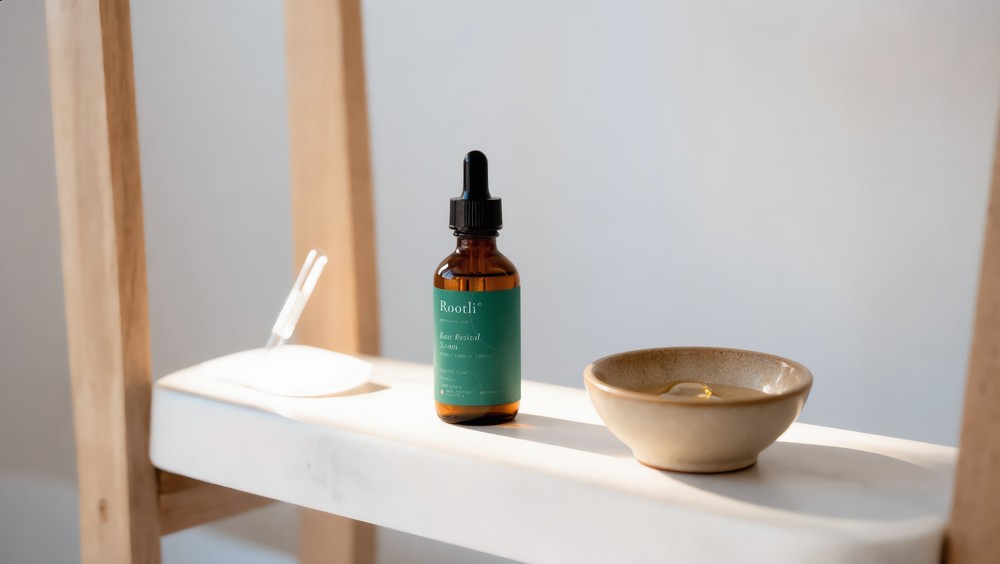
This is where the skinification of haircare really shows up. After cleansing, apply a lightweight scalp serum directly to the scalp, parting your hair in sections so you are not just coating the top layer. Rootli Serum is designed for exactly this: a daily, lightweight step that fits into your routine without weighing hair down.
If you prefer a more complete setup, The Rootli Serum Lab turns serum-led scalp nourishment into a proper ritual, with everything you need in one place instead of scattered across your shelf.
3. Massage, mist, and light
Massage is the most underrated step in any scalp care routine, and it is the one people genuinely look forward to. A few minutes of slow, circular pressure helps you unwind, helps your serum spread evenly, and makes the whole thing feel like self-care rather than maintenance.
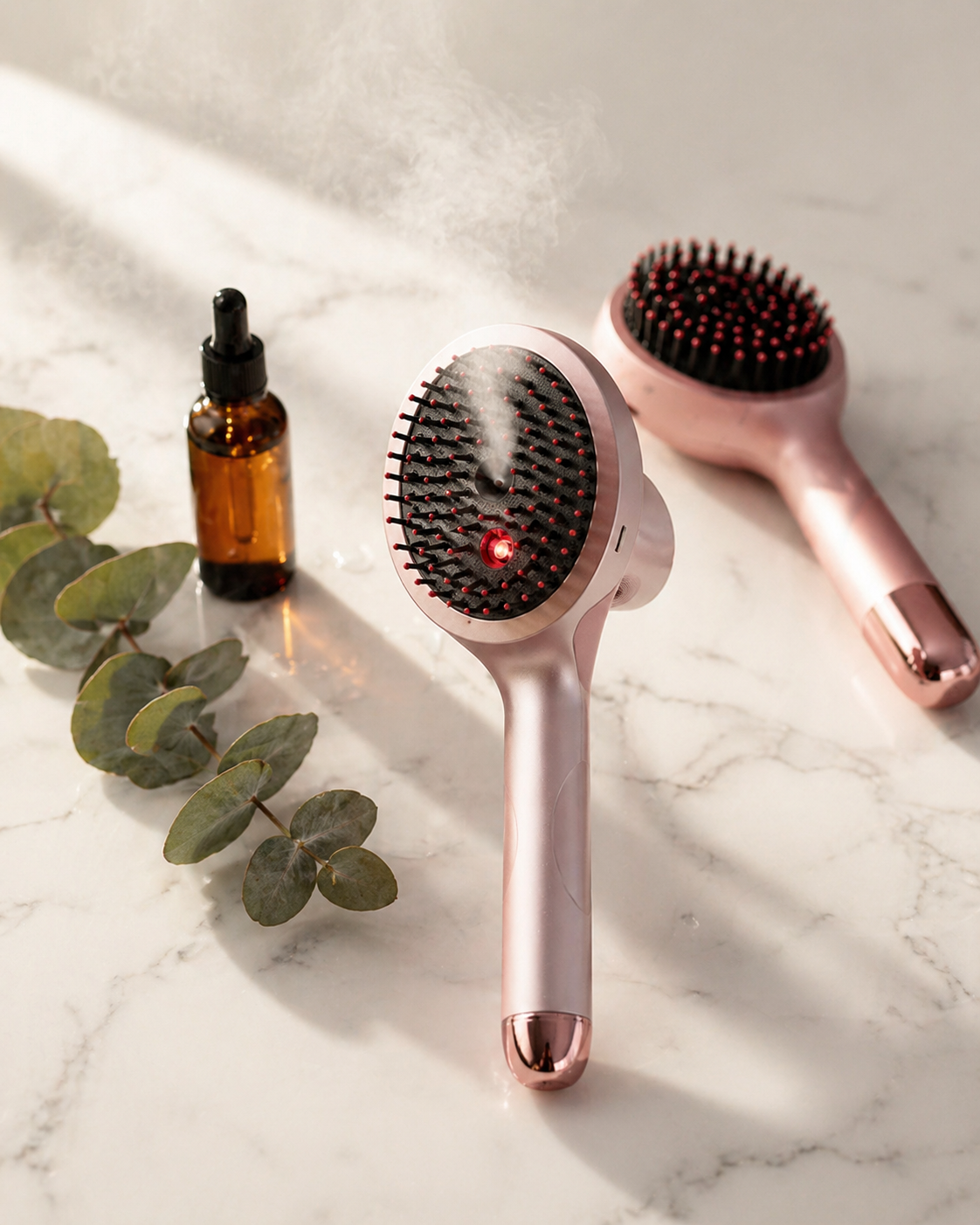
Tools make consistency easier. The Rootli Serum Comb Serum-Infusing Scalp Massage Brush massages while it distributes serum through the scalp, so you are not chasing drips with your fingers. The Rootli Stone Comb – Scalp Gua Sha is a lovely five-minute option before serum, and the Rootli Glow Comb Dual-Light Scalp Brush pairs everyday brushing with dual-light scalp care.
If you like something hands-free, Rootli Pulse Pro – LED Light Cap delivers red and blue light scalp care while you answer emails or watch TV. And if you are curious about what your scalp actually looks like up close, the Rootli Scope AI-Connected Scalp & Follicle Analyzer offers scalp and follicle visibility so you can build a more intentional routine instead of guessing.
4. Go deeper once a week
Once a week, give yourself a longer session. Warmth, massage, and a little quiet. The Rootli Cap was made for weekly warm scalp spa rituals, and The Natural Ritual Set is a gentle, tactile option if you prefer something slower and more sensory. Ten minutes is plenty. The point is the pause, not the perfection.
Small Habits That Make Scalp Care Stick
- Keep your serum and comb where you can see them, not tucked in a drawer.
- Attach your scalp routine to something you already do, like right after washing or while a podcast plays.
- Take a close-up photo of your part line once a month so you can see how your scalp looks over time.
- Rotate tools instead of buying everything at once. One good massage tool used consistently beats five used rarely.
- Be patient. Scalp care is a slow, cumulative habit, not a quick fix.
A few gentle reminders as you begin: do not scrub with your nails, do not pile heavy products at the root, and do not expect a brand-new scalp in three days. Consistency over intensity is the entire point.
Where the skinification of haircare is heading
Expect more crossover. The next wave is already blending formats: mists that feel like toners, serums that feel like facial oils, devices that look like skincare tools. The through-line stays the same. Treat the scalp like skin, and the rest of your hair routine gets simpler, not more complicated.
Start with one step
You do not have to rebuild your entire routine this week. Pick one thing: a scalp serum, a two-minute massage, or a weekly ritual. Do it for two weeks. Then add the next step. That is how the skinification of haircare becomes less of a trend and more of a habit you genuinely enjoy.
If you would like a place to begin, The Rootli Serum Lab is an easy, serum-led starting point, and the Rootli Glow Comb Dual-Light Scalp Brush makes daily scalp care feel like a small treat rather than a chore. Start with the scalp. The rest tends to follow.