Scalp massage used to be the quiet luxury of a salon shampoo bowl — the part you wished would never end. Today it has stepped into the spotlight of modern hair care, sharing shelf space with scalp gua sha, LED tools, and serums applied with real intention. This isn’t a random trend. As more people start treating their scalp the way they treat their face, scalp massage and circulation-focused rituals have become the connective tissue between good products and a routine you genuinely look forward to.
The logic is simple, and refreshingly low-tech. Your scalp is skin. It has texture, moods, and needs of its own. When you give it a few minutes of deliberate touch, you’re doing more than chasing a beauty moment — you’re supporting scalp health, encouraging hair to look its healthiest, and turning a rushed shower into a small act of self-care.
Why Scalp Massage Became a Modern Hair Care Essential
For years, hair care conversations started at the mid-lengths and ended at the ends. Shampoo, conditioner, mask, oil — the scalp was mostly an afterthought, noticed only when it felt itchy or tight. The scalp-first shift changed that. Creators started filming their routines, experts began talking about the scalp as skin, and suddenly the question wasn’t “What are you using on your hair?” but “What are you doing for your scalp?”
Scalp massage sits right at the center of that shift because it’s accessible. You don’t need an appointment, a professional, or a big budget. You need clean hands, a few minutes, and — if you like — a tool that makes the experience feel a little more spa-like. It’s the rare beauty habit that fits into a five-minute window and still feels luxurious.
What “circulation-focused” really means in a beauty routine
When we talk about circulation-focused scalp care, we’re describing movement, warmth, and stimulation — the pleasant, tingling, awake feeling you get when you work your fingertips across your scalp in slow circles. The goal isn’t a medical outcome. It’s a scalp that feels comfortable and balanced, hair that looks glossier and healthier, and a routine that gives you a reason to slow down.
That framing matters. Scalp massage isn’t a procedure; it’s a practice. And like any practice, the benefits you notice most are the ones that come from consistency: a scalp that feels less tight, serums that seem to spread more evenly, and a ritual that makes you feel like you’re caring for yourself rather than just washing your hair.
Shop the scalp ritual
-
Sale!
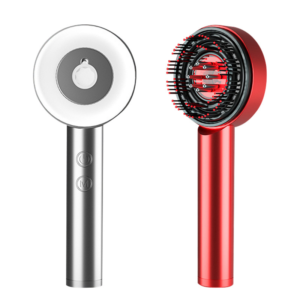
Rootli Serum Comb Serum-Infusing Scalp Massage Brush
Original price was: $198.00.$178.00Current price is: $178.00. Select options This product has multiple variants. The options may be chosen on the product page -
Scalp Gua Sha: The Five-Minute Ritual With Real Staying Power
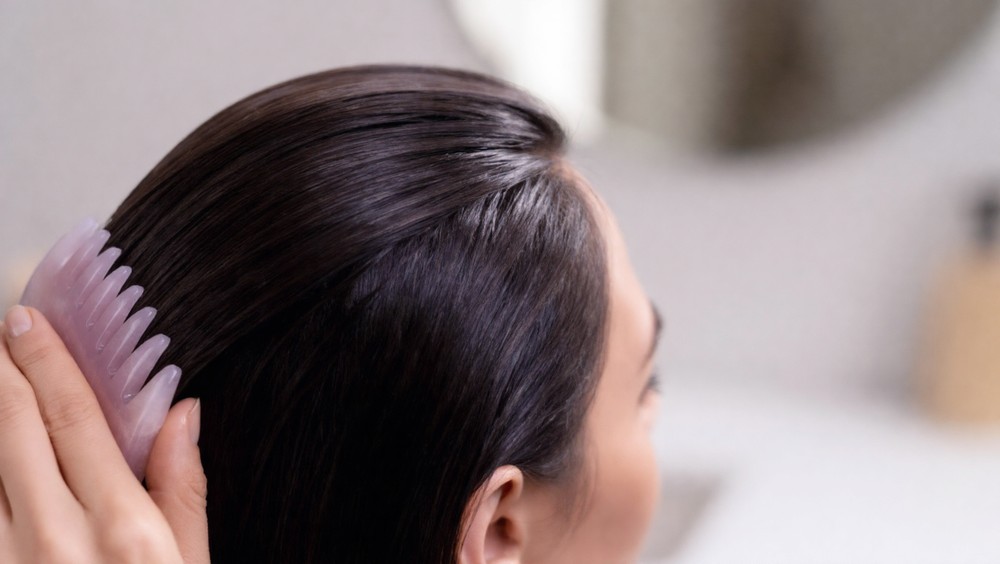
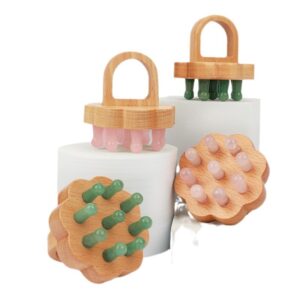
If massage is the entry point, scalp gua sha is where the ritual gets a little more beautiful. Inspired by the facial gua sha practice you already know, scalp gua sha uses a smooth stone comb or curved tool to glide across the scalp in gentle, deliberate strokes. The appeal is part sensation, part intention: it feels good, it looks lovely on a shelf, and it turns a few minutes of your evening into something that feels considered.
A stone comb like the Rootli Stone Comb – Scalp Gua Sha is a great place to start, especially if you like the idea of pre-serum prep. Glide first, then apply your serum so it spreads more evenly across the scalp. If you prefer a more sculpted, gemstone feel, the Root Sculptor Premium Pink Scalp Comb – Gua Sha Massager offers the same idea with a weightier, more tactile finish.
A simple scalp gua sha sequence to try tonight
- Start at the hairline and work backward in short, gentle strokes — no dragging, no pressure.
- Move along the sides above your ears, then down the back of the head toward the nape.
- Keep each pass slow and even; think “glide,” not “scrub.”
- Repeat the whole sequence two or three times, then follow with your serum or leave-in.
- Finish with thirty seconds of fingertip circles just to let everything settle.
Five minutes is plenty. In fact, shorter sessions you’ll actually repeat beat long ones you dread. Keep your tool clean, keep your pressure light, and let the ritual be something you look forward to rather than another task on the list.
How to Build a Circulation-Focused Scalp Routine You’ll Keep
The most effective scalp routine is the one that fits your real life. Some people love a slow Sunday session; others want ninety seconds before bed. Both count. The trick is anchoring your scalp massage to something you already do — washing your hair, taking off your makeup, winding down with a podcast — so it becomes automatic instead of aspirational.
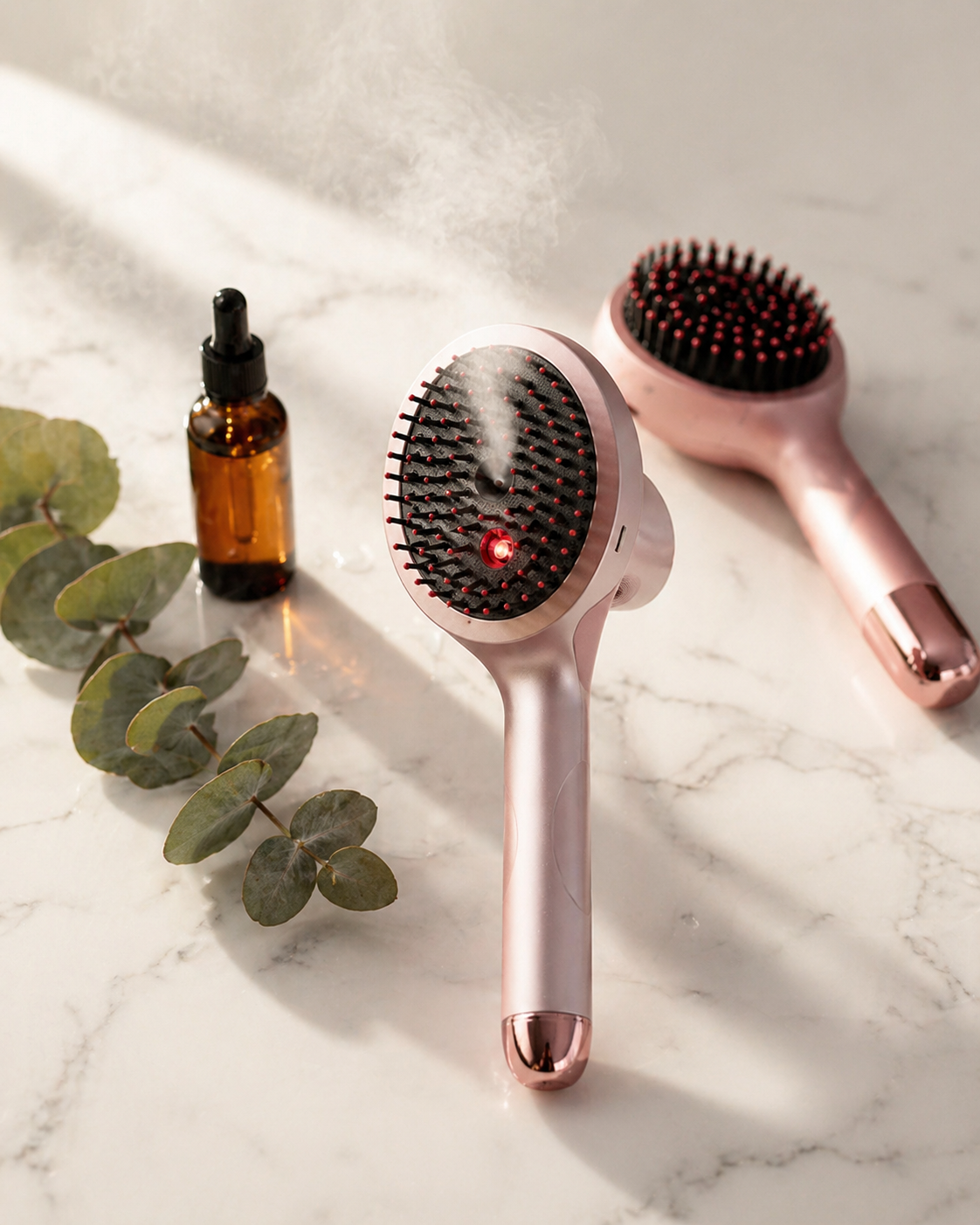
Tools help here, not because they’re magic, but because they make the habit more enjoyable and more precise. A serum-infusing brush, for example, lets you massage and distribute product in one pass, which means you’re more likely to actually do it. That’s the whole game: reduce friction, increase pleasure.
Tools that make scalp massage feel effortless
- Rootli Serum Comb Serum-Infusing Scalp Massage Brush — massage and serum distribution in a single, satisfying step.
- Rootli Glow Comb Dual-Light Scalp Brush — a daily brushing ritual with dual-light scalp care built in.
- Mist Hair Comb: Vibrating Scalp Massager — mist application plus gentle vibration for a more sensorial session.
- Rootli Wand Pro 4-in-1 Smart Beauty & Scalp — red light, EMS, massage, and serum-assisted scalp rituals in one handheld device.
Pairing massage with the rest of your scalp care
Massage plays best with others. If your routine already includes light-based scalp wellness, a hands-free option like the Rootli Pulse Pro – LED Light Cap or the Light Therapy Duo can run while you relax, with massage reserved for the minutes before or after. For weekly warm-spa moments, the Rootli Cap turns a quiet evening into something closer to a treatment room.
And if you’re the type who likes to know what’s actually happening up there, tools like the Rootli Scope AI-Connected Scalp & Follicle Analyzer or the Rootli Diagnostic Pro can help you understand your scalp before choosing a ritual. That’s not about diagnosing anything — it’s about building a more intentional routine around what you see and feel.
Frequency matters less than rhythm. Two thoughtful sessions a week will do more for you than a heroic Sunday marathon you never repeat. Think of scalp massage the way you think of stretching: small, regular, and quietly cumulative.
What Scalp Massage Can and Can’t Do
Let’s be clear-eyed about this, because the internet rarely is. Scalp massage is a beautiful, worthwhile beauty ritual — and it is not a medical treatment. It doesn’t diagnose, cure, or treat any condition, and it isn’t a substitute for professional advice if something about your scalp worries you.
Here’s a fair way to think about it:
- What it can do: support scalp health, help you feel more connected to your routine, distribute serums and oils more evenly, and make hair look healthier and glossier over time as your care becomes consistent.
- What it can’t do: replace a medical evaluation, guarantee a specific result, or resolve a concern that needs professional attention.
If you notice persistent changes — sudden shedding, soreness, irritation, or anything that feels off — talk to a qualified professional. That isn’t a failure of your routine; it’s just good sense. Beauty rituals work best when they sit alongside, not instead of, real care.
Making Scalp Massage Yours
The beauty of this ritual is how little it asks of you. Five minutes, clean hands, a tool you enjoy holding. No perfect technique, no complicated layering, no pressure to do it every single day. Start with two or three sessions a week and let it grow from there.
If you’re not sure where to begin, the Natural Ritual Set is a gentle, tactile way into scalp care, and the Rootli Serum pairs beautifully with any massage or gua sha session for daily lightweight scalp nourishment. Pair either with the Rootli Serum Comb and you have a complete, satisfying ritual in under five minutes.
Your scalp carries a lot — literally and figuratively. Giving it a few minutes of attention each week is one of the simplest, most pleasurable ways to care for your hair. Start tonight. Your scalp will notice.