Search for scalp serum and a small alphabet of ingredient names appears: caffeine, Redensyl, Procapil, peptides, niacinamide. That is a lot of syllables for a step that takes ninety seconds in front of the mirror, and yet the curiosity makes perfect sense. Scalp care has finally caught up with skincare, and with that shift comes a new vocabulary to learn.
The good news is that you do not need a chemistry degree to shop well. You need a rough sense of what each scalp serum ingredient is doing in the bottle, and an honest read on whether a formula is light enough that you will actually reach for it on a Tuesday morning when you are already running late.
Why Scalp Serum Ingredients Are Getting So Much Attention
For years, the scalp was treated like real estate: something you owned but rarely decorated. Shampoo went on, conditioner followed, and nobody asked questions. The shift toward scalp-first haircare changed that. We now talk about the scalp the way we talk about skin, using words like hydration, comfort, texture, and balance.
Serums became the natural vehicle for that conversation. They are leave-in, so nothing gets rinsed away, and they are easy to target exactly where you want them. That is also why ingredient lists started getting longer and more specific. Brands noticed people were reading them, and searching for the names they had heard on social.
What is worth remembering is that no single ingredient is magic. A serum is a whole formula: the base, the humectants, the texture, the scent, the applicator. Ingredients get the headlines, but the experience is what makes a routine stick.
Shop the scalp ritual
-
-
Sale!
Rootli Serum Comb Serum-Infusing Scalp Massage Brush
Original price was: $198.00.$178.00Current price is: $178.00. Select options This product has multiple variants. The options may be chosen on the product page
Caffeine in Scalp Serums: The Small Ingredient Everyone Asks About
Caffeine earned its reputation in eye creams and firming formulas long before it showed up in haircare. In a scalp serum, it is usually there for the same reason it appears in skincare: it gives a formula a fresh, energized feel and pairs beautifully with massage.
If you love the sensation of waking your scalp up in the morning, a caffeine-forward serum is a pleasant place to start. Think of it as the espresso shot of your routine, not the whole meal. Used consistently alongside gentle massage, it can help the scalp feel more comfortable and the hair look a little more lively at the root.
One practical note: caffeine serums tend to be water-light, which means they layer well under styling products and do not leave a film behind. If you have fine hair, that detail matters more than the ingredient itself.
Redensyl and Procapil: Two Names Worth Understanding
These two come up constantly in searches, usually followed by a question mark. Both are cosmetic complexes, meaning blends of ingredients rather than single actives, and both are typically used in formulas created to help hair look fuller and healthier-looking. Here is the plain-English version.
Redensyl, explained simply
Redensyl is a cosmetic ingredient complex built around plant-derived compounds. In beauty formulas, it is positioned as a supportive ingredient for scalp care routines aimed at fuller-looking hair. You will often see it paired with caffeine, niacinamide, or peptides in the same bottle, because formulators prefer to combine approaches rather than lean on one.
What it will not do is replace a routine. A serum with Redensyl used twice a week, sporadically, between three different shampoos is not really a routine. Consistency is the ingredient nobody lists on the label.
Procapil, in plain terms
Procapil is another cosmetic complex, usually described as a blend designed to support the look of fuller, denser-feeling hair. It shows up in leave-in scalp treatments because it tends to be formulated in lightweight, non-greasy textures that suit daily use.
If you are weighing Redensyl against Procapil, the honest answer is that you are probably not choosing between them at all. Many modern formulas include both, and your real decision will come down to texture, scent, applicator, and how the product feels on your scalp after week three.
What Lightweight Leave-In Actually Means in Practice
Lightweight is the most overused word in beauty copy, so it is worth translating. In a scalp serum, it usually means a water-based or water-light texture that absorbs quickly, does not leave residue at the root, and does not make next-day hair look flat.
- A base that is water or aloe-forward rather than oil-heavy, so it sinks in fast.
- No heavy occlusives sitting right at the root, which is what makes hair look greasy by noon.
- A dropper, comb tip, or mist applicator that lets you target the scalp instead of the strands.
- A mild scent that will not compete with your styling products.
- A finish that plays nicely with dry shampoo and heat styling the next morning.
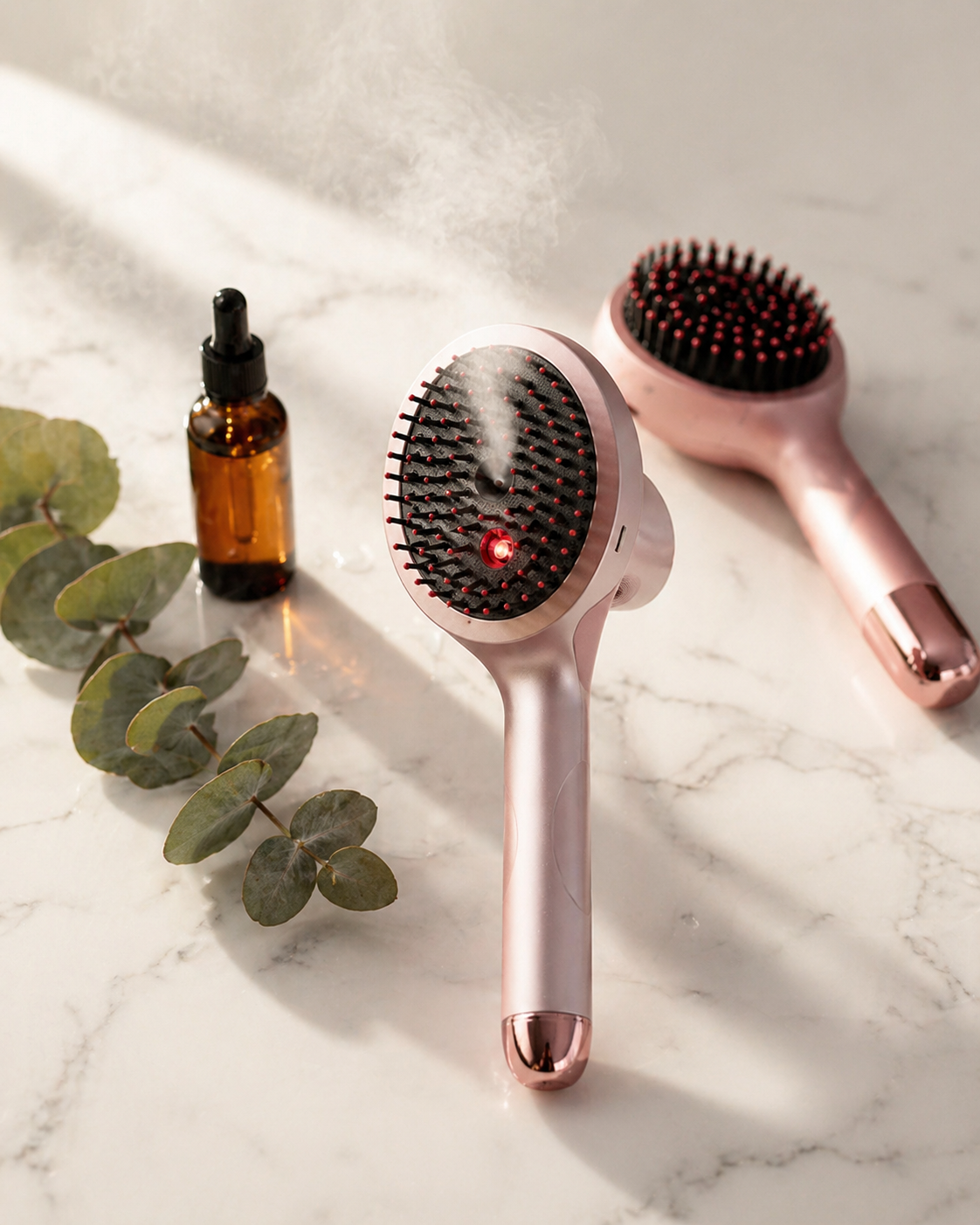
Texture is also where tools come in. A formula applied with fingertips tends to sit in one spot. A formula distributed with a massaging applicator such as the Rootli Serum Comb Serum-Infusing Scalp Massage Brush reaches more of the scalp and doubles as a two-minute massage. That is the difference between owning a serum and actually using one.
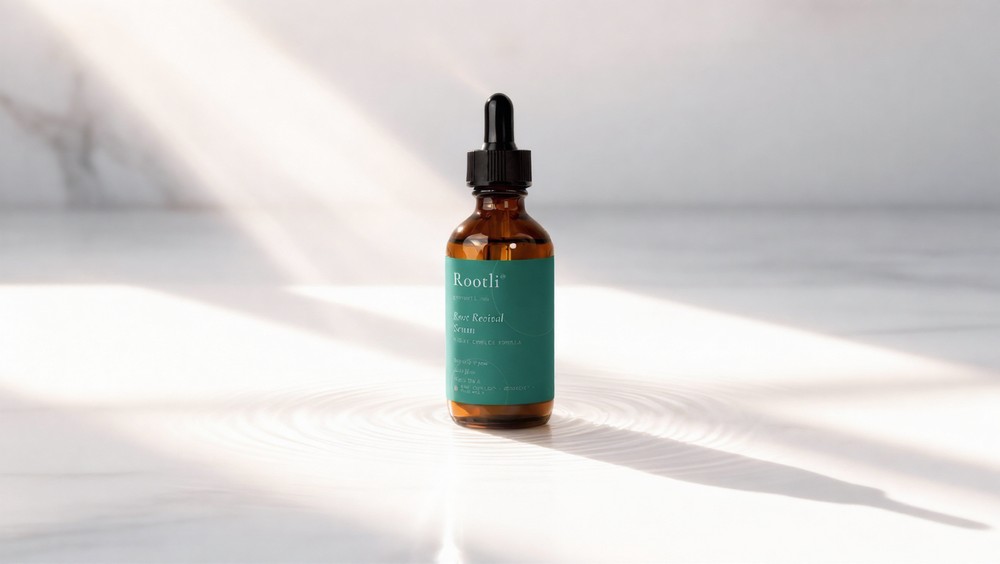
For everyday serum-led care, Rootli Serum is designed as a lightweight, leave-in step that fits between cleansing and styling, the kind of formula you can apply without overthinking your hair type. If you want to understand your scalp before committing to a formula, the Rootli Diagnostic Pro gives you a clearer view of what you are working with.
How to Layer Scalp Serum Ingredients Into a Routine You Will Keep
The best routine is the one that survives a busy week. This structure works for most people:
- Cleanse, then apply serum to a dry or towel-dried scalp, parting hair in sections as you go.
- Massage for one to two minutes, letting a comb or brush do some of the work.
- Leave it in. No rinsing needed. Style as usual.
- Repeat two to four times a week, and give it a few weeks before you judge anything.
Morning versus evening
Mornings suit caffeine-forward, water-light formulas because they feel refreshing and layer well under styling. Evenings suit richer, massage-led rituals, the kind where you use a Rootli Stone Comb – Scalp Gua Sha for five minutes and let the whole thing feel like winding down.
If you prefer a hands-free approach, a weekly session with the Rootli Cap turns scalp care into a warm spa moment, while the Rootli Wand Pro 4-in-1 Smart Beauty & Scalp combines massage and serum-assisted application for days when you want to do a little more.
Choosing Between Ingredients, Formulas, and Rituals
Here is the honest hierarchy: ritual beats formula, and formula beats ingredient. If you will happily use a simple, pleasant serum four times a week, it will do more for how your scalp feels and how your hair looks than an impressive-sounding ingredient you apply once a month.
That said, ingredients are a useful filter when you are comparing bottles side by side. If you are curious about serum-led nourishment more broadly, The Rootli Serum Lab is built around exactly that idea. And if you are still deciding which direction to take, whether massage, light, serum, or a blend of all three, The Natural Ritual Set is a gentle starting point for a tactile, unhurried routine.
A Scalp Ritual That Feels Like Self-Care, Not Homework
Learning the vocabulary of scalp serum ingredients is genuinely useful, but it is not the point. The point is ninety seconds in front of the mirror where you are doing something small and kind for yourself, and noticing a few weeks in that your scalp feels more comfortable and your hair looks a little more like itself.
Start with one lightweight formula, one tool you actually enjoy holding, and a frequency you can keep. If you are ready to build that ritual, begin with Rootli Serum and the Rootli Serum Comb Serum-Infusing Scalp Massage Brush, a simple pairing that makes the habit easy to keep.