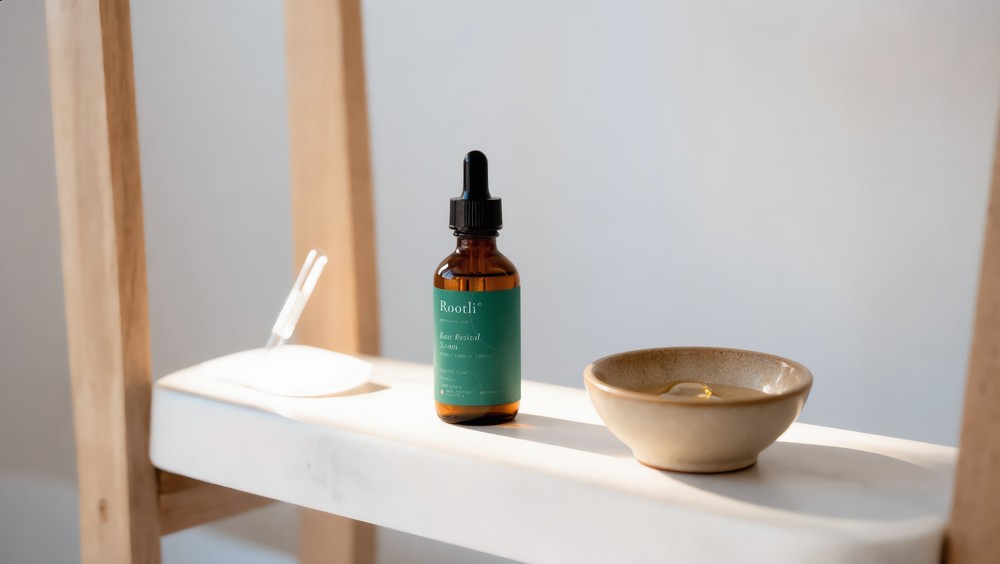
If your bathroom shelf reads like a love letter to your face — cleanser, serum, moisturizer, SPF — but your scalp still gets whatever shampoo happens to be on sale, you’re in good company. For years the scalp lived in a strange blind spot: technically skin, rarely treated like it. That’s changing quickly, and the shift has a name. The skinification of haircare is the idea that your scalp deserves the same thoughtful, consistent care you already give the rest of your skin.
It sounds like a marketing phrase, and honestly, it started as one. But underneath the trend is something genuinely useful: a gentler, more intentional way to think about hair. Instead of chasing the perfect styling product, you start at the foundation — the skin your hair grows from — and build a routine around it. Here’s what that looks like in practice, and how to make it feel like a beauty ritual rather than one more thing on your to-do list.
What the Skinification of Haircare Actually Means
At its core, skinification means borrowing the logic of skincare and applying it above the forehead. Cleanse gently. Treat consistently. Massage. Protect. Pay attention over time. Nothing dramatic — just the same principles that turned your face routine from a chore into something you actually look forward to.
What it does not mean is treating your scalp like a problem to be fixed. The best scalp care routines are calm and repetitive. They focus on how the scalp feels — comfortable, balanced, not tight or itchy — and on how hair looks over weeks, not overnight.
Your scalp is skin, and it behaves like skin
Sebum production, barrier function, sensitivity, dryness, flaking, the effects of sun and heat styling: the scalp experiences all of it. Yet most of us scrub it with whatever lathers best and never actually look at it. Skinification simply closes that gap. It asks the same questions you’d ask about your face. Is it dry or oily? Does it feel tight after washing? Does it get irritated by fragrance or by very hot water? Once you start noticing, the routine almost writes itself.
It also reframes what hair care even is. Shampoo and conditioner care for the strands. Scalp care supports the environment those strands grow from — and that’s the part most routines skip entirely.
Shop the scalp ritual
-
Sale!
Rootli Serum Comb Serum-Infusing Scalp Massage Brush
Original price was: $198.00.$178.00Current price is: $178.00. Select options This product has multiple variants. The options may be chosen on the product page -
Why the Skinification of Haircare Is Changing Daily Routines
A few things converged at once. Skin microbiome entered everyday vocabulary. Scalp serums started appearing next to facial serums on the same shelf. At-home beauty devices became normal rather than niche. And people began to notice that how their scalp felt had a real effect on how their hair looked — flatter on day two, greasier at the roots, harder to style.
There’s also a quieter reason. Scalp care is one of the few beauty habits that asks you to slow down. Five minutes of massage, a serum applied with intention, a warm towel or a light device on a Sunday evening. It scratches the same itch as a face mask, minus the mirror pressure.
- It’s familiar. If you already have a skincare routine, you already know how to do this. Same steps, different real estate.
- It’s visible. Scalp and hair changes show up in photos, in how styles hold, and in how hair looks in daylight.
- It’s low effort, high consistency. Two to five minutes a few times a week is enough to build the habit.
- It’s a reset. Scalp massage is one of the few beauty rituals that also feels like stress relief.
The result is a category that no longer sits inside hair care alone. It sits between skincare and haircare, which is exactly where it belongs.
How to Build a Scalp Care Routine That Mirrors Your Skincare
You don’t need a ten-step system. Four or five steps, done consistently, will do more than a shelf of products used at random. Here’s a simple framework you can adapt to your own hair type and schedule.
Step one: look before you treat
Skincare starts with observation — you check your skin before you decide what it needs. Do the same with your scalp. Part your hair in a few places under bright light and look at the roots, the hairline, and any spots that feel sensitive. If you want a closer, more consistent view over time, a tool like the Rootli Scope AI-Connected Scalp & Follicle Analyzer gives you a magnified look at scalp and follicle visibility, so your routine is based on what you actually see rather than guesswork.
Step two: cleanse the scalp, not just the hair
Shampoo is your cleanser, and the same rules apply: gentle formula, lukewarm water, and focus at the roots rather than the ends. Massage the product in with your fingertips for a full thirty seconds before rinsing. If your scalp feels tight or squeaky afterward, your cleanser is probably too strong — that tight feeling is a signal, not a sign of a good clean.
Step three: treat with a serum
This is the step that makes scalp care feel like skincare. A lightweight scalp serum applied to a clean, damp scalp is the equivalent of your facial serum — the moment where you’re nourishing rather than just cleansing. The Rootli Serum Lab is built around exactly this idea, pairing serum-led scalp nourishment with a routine you can repeat a few times a week. If you prefer something even simpler, a few drops of Rootli Serum on the scalp before bed is an easy entry point.
Step four: massage it in properly
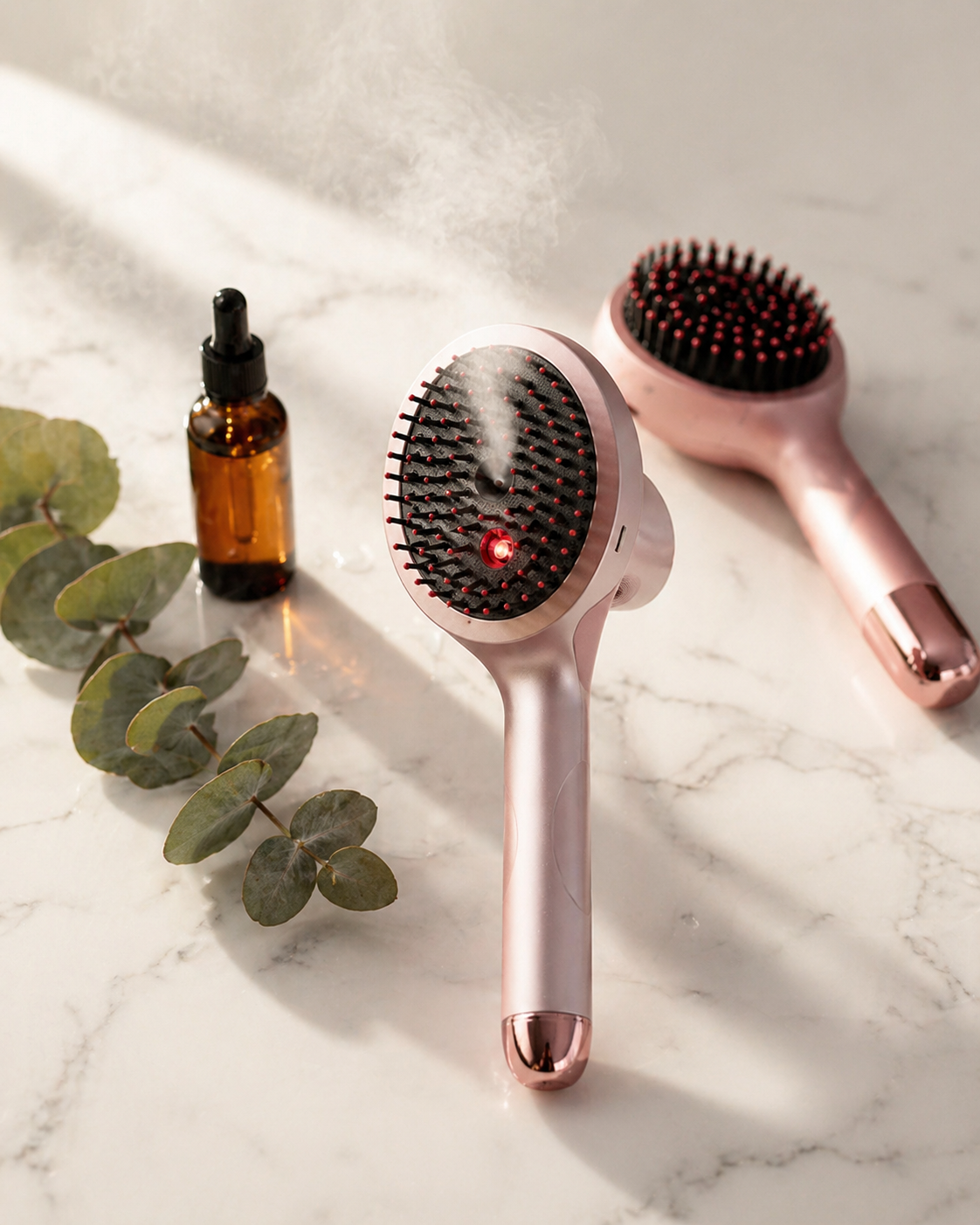
Massage isn’t decoration — it’s how the serum gets where it needs to go, and it’s the part of the routine that feels best. Work in small circles from the hairline to the crown, then down toward the nape. Two minutes is plenty. A tool makes it easier to stay consistent and gentler on your nails: the Rootli Serum Comb Serum-Infusing Scalp Massage Brush massages and distributes serum through the scalp in one pass, while the Rootli Stone Comb – Scalp Gua Sha turns a five-minute massage into a genuine wind-down ritual.
Step five: add light or warmth once a week
Think of this as your weekly treatment step. Light-based scalp wellness routines have become one of the most popular at-home additions because they’re hands-free and easy to do while you read or answer emails. The Rootli Pulse Pro – LED Light Cap delivers red and blue light scalp care without you holding anything, and the Rootli Cap is designed for weekly warm scalp spa rituals — the at-home version of that towel-and-steam moment.
How Often, How Long, and What to Expect
Consistency beats intensity here, just like it does in skincare. A realistic rhythm looks something like this:
- Daily: gentle cleansing at the roots, plus a one-minute massage with your fingertips if you have time.
- Three times a week: serum on a clean scalp, massaged in for two to five minutes.
- Once a week: a longer ritual — light therapy, warmth, or a slow gua sha-inspired massage.
What you’ll likely notice first is comfort: a scalp that feels less tight, less itchy, more balanced. Over weeks, many people find their hair looks glossier and sits better at the roots, and that styles hold longer between washes. Those are everyday cosmetic observations, not promises. Scalp care is a slow, cumulative habit, and that’s part of its charm.
One more thing: adjust to the season and to your hair. Scalps tend to feel drier in winter and oilier in summer, and hormonal shifts, travel, and stress can change how yours behaves. The routine should follow the scalp, not the other way around.
Start With One Step, Not Twelve
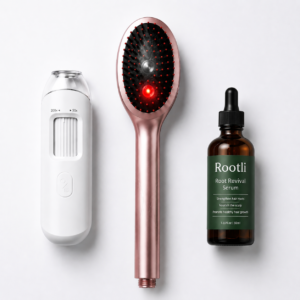
The easiest way to fall off with scalp care is to design a routine you’ll never keep. Pick one step — a serum, a massage tool, a weekly light session — and do it for two weeks before adding anything else. If you want a starting point that covers the essentials, the Rootli Serum Lab and the Rootli Glow Comb Dual-Light Scalp Brush make a natural pair: one nourishes, one handles daily brushing and light-based care.
Your face routine took time to become a habit. Your scalp routine will too — and it’s worth it. The skinification of haircare isn’t about buying more. It’s about finally giving your scalp the same attention you’ve been giving everything else.