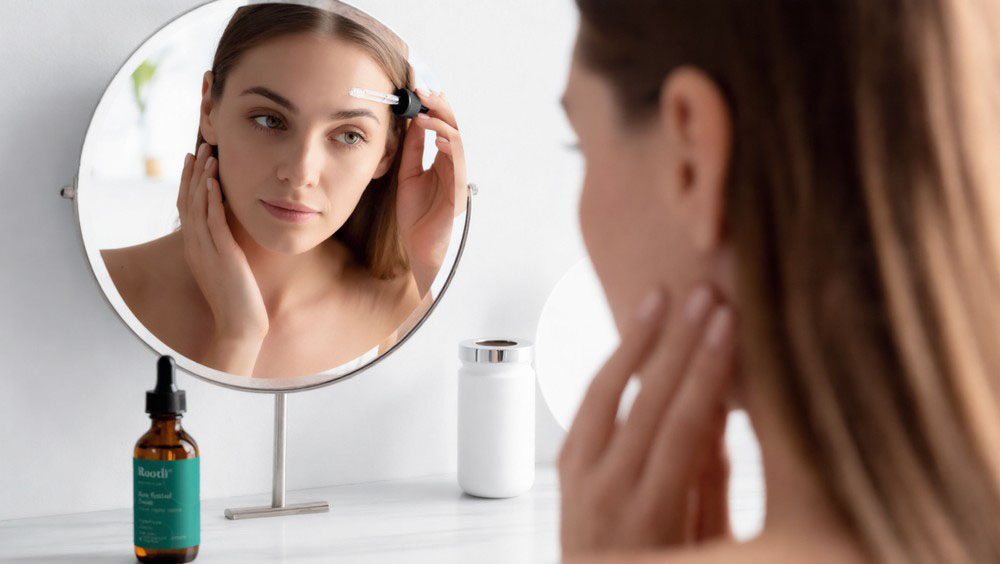
Some mornings, you catch yourself running a hand through your hair and noticing that your scalp feels a little tight. Maybe you have seen small white flakes near your part — not the oily kind, but the sort that drifts away when you brush. If you have ever thought, “Is my scalp dry?” you are not alone. A gentle dry scalp care routine can help your scalp feel more comfortable, which often makes your hair look glossier, softer, and fuller in the process.
Your scalp is an extension of your skin. Just like the skin on your face can feel parched after a windy day or a hot shower, your scalp can become sensitive to changes in your environment, washing habits, and even the products you use. But unlike your face, you cannot easily see what is going on up there. That is why learning to respond to how your scalp feels is such a meaningful beauty ritual — it reconnects you with a part of yourself that often goes unnoticed.
Why Your Scalp Sometimes Feels Tight, Dry, or Flaky
Before we talk about how to build a dry scalp care routine, it helps to understand what might be contributing to that uncomfortable feeling. A dry-feeling scalp can happen for many reasons, including harsh sulfate-heavy shampoos, over-cleansing, cold winter air, dry indoor heat, or even just a busy week where you are not drinking as much water as usual.
It is also possible that flakes appear not because your scalp is dry, but because your skin barrier is feeling stressed. When the scalp’s moisture balance is off, it may feel tight, itchy, or appear flaky. This is not necessarily a sign of a medical condition. It can simply be your skin’s way of saying it needs a little more TLC. Recognizing this is the first step toward a routine that feels less like a chore and more like a replenishing part of your self-care.
Shop the scalp ritual
A Gentle Dry Scalp Care Routine, Step by Step
A good dry scalp care routine does not need to be complicated. In fact, the best approach is usually simple and repeatable. The goal is to help your scalp feel soothed, balanced, and cared for — not to aggressively scrub or strip it. Here is a step-by-step approach we love to share with friends who want a calm-feeling scalp.
1. Start With a Few Minutes of Scalp Massage
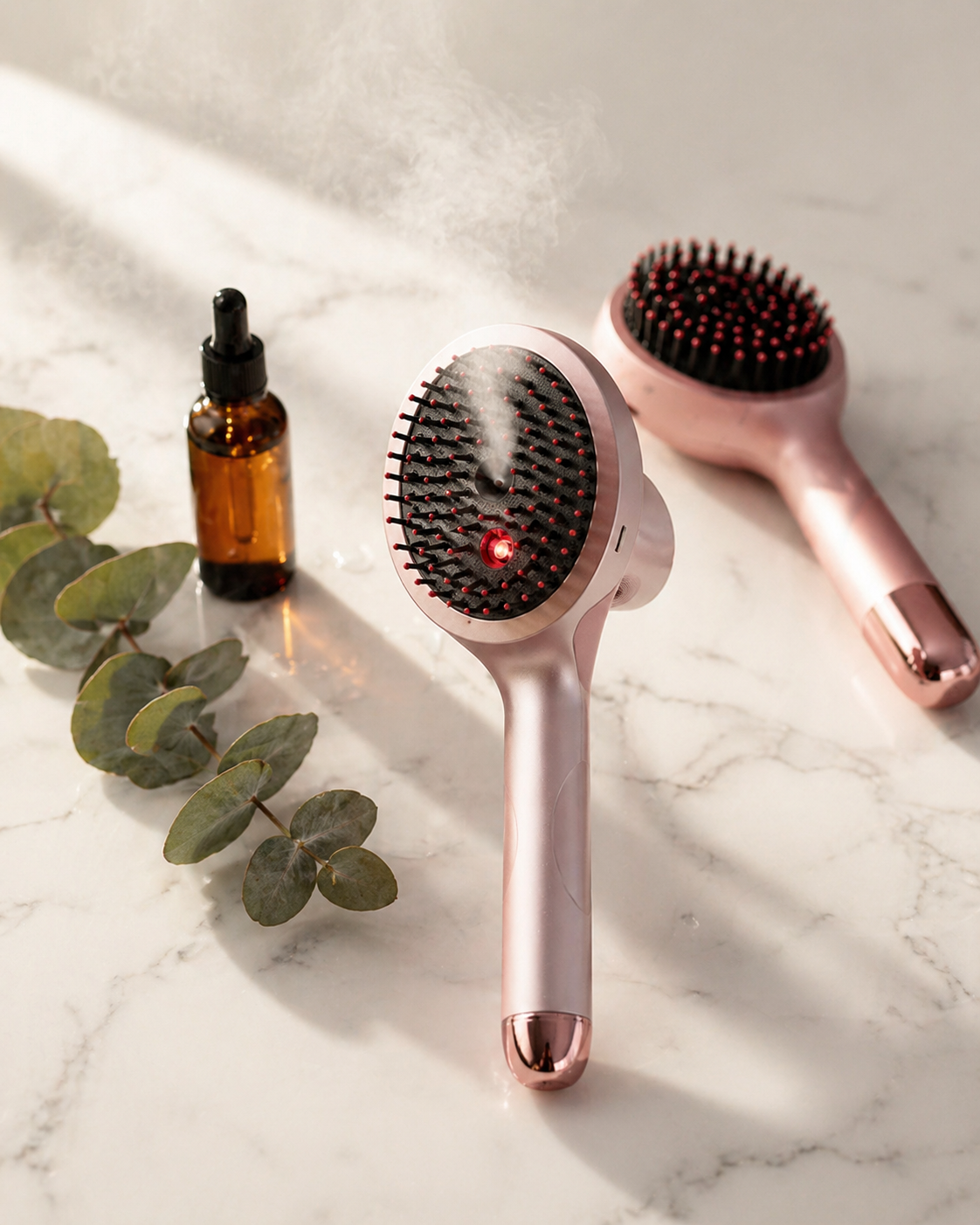
Give yourself a minute or two to massage your scalp before you even step into the shower. This helps stimulate circulation, supports a relaxed state of mind, and allows you to notice any areas that feel tight or tender. You can use your fingertips, but a dedicated tool can transform the experience. A tool like the Rootli Stone Comb – Scalp Gua Sha is designed to glide along the scalp for a five-minute massage ritual that feels like a mini spa break. It is especially lovely before washing because it helps you slow down and tune in.
2. Wash With Warm — Not Hot — Water
Hot water can strip your scalp’s natural oils and leave your skin feeling even drier afterward. Instead, keep the temperature warm while shampooing, and focus on massaging your scalp with your fingertips or a soft silicone brush. If your shampoo leaves your scalp feeling tight, it might be a bit too cleansing for your needs. Try alternating with a more gentle formula, and do not forget that how you rinse counts. Thoroughly removing product residue helps prevent flakes caused by buildup.
3. Apply a Featherlight Serum While Your Scalp Is Damp
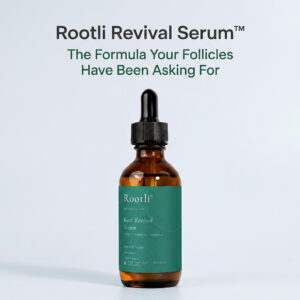
This is the step that truly upgrades a regular wash day into a dry scalp care routine. After towel-drying your hair, apply a lightweight serum that helps your scalp feel hydrated and calm. A great option is Rootli Serum, which is a daily scalp serum designed to feel weightless and absorb quickly. It is perfect for anyone who wants to add a soothing step without making hair look oily or weighed down. You can use it morning or night, and it layers beautifully with other scalp care tools.
4. Finish With a Warm Comfort Ritual Once a Week
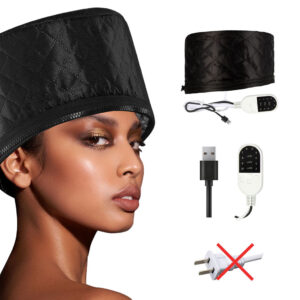
If your scalp often feels tight by midweek, adding an at-home spa moment can do wonders. The Rootli Cap transforms your self-care session with a gentle, warm feel and a soft, luxurious experience. It is like a version of a steam treatment for your scalp. Wearing it during a quiet evening while you read or watch a show can help you pause, breathe, and give your scalp a moment of deep comfort. The warmth can help a serum or conditioning treatment sink in, but even on its own, the ritual is delightfully calming.
Everyday Habits That Help Your Scalp Feel More Even-Keeled
Beyond a weekly or wash-day routine, your day-to-day choices affect how your scalp feels. Infuse your dry scalp care routine with these simple habits.
- Stay hydrated, but remember that topical care matters too. Drinking water supports overall skin moisture, but direct scalp care can make a more immediate difference in how your scalp feels.
- Wear a hat or use a scalp-friendly SPF when you are outdoors for long periods. Your scalp can feel the impact of harsh sun just like your face.
- Avoid over-scrubbing with your nails when you wash. The goal is not to remove all texture, but to cleanse while respecting your scalp’s skin barrier.
- Give your hair tools and brushes a regular cleanse. Product residue on brushes can migrate back to your scalp and contribute to a less-balanced feeling.
- Trade tight hairstyles for looser ones on days when your scalp already feels tender. Constant tension can make the skin around your hairline feel stressed.
Hair Styling Choices That Help Your Scalp Stay Comfortable
How you wear your hair can either support or stress your scalp. On days when your scalp feels tight, give your roots more breathing room. Loose low ponytails, wide soft scrunchies, and airy hairstyles let the skin on your scalp relax. Avoid heavy styling products like thick waxes or pomades, which can cling to the skin and make flaky sensations more noticeable.
If you use heat tools, consider keeping the temperature lower and protecting your hair with a heat barrier. While heat will not directly affect your scalp in the same way, it can dry out the length of your hair and make the scalp feel taut from overall hydration loss. Also, try not to sleep on rough cotton pillowcases. A silk or satin pillowcase can help your hair retain moisture and reduce friction that might irritate your scalp further.
When Your Scalp Still Feels Stubbornly Tight or Flaky
Even the best dry scalp care routine sometimes meets a stretch of days when your skin feels more sensitive than usual. Hormonal shifts, stress, and seasonal weather can all influence how your scalp feels. Rather than falling into a loop of harsh cleansing and strong exfoliating scrubs, try responding with extra gentleness.
This might look like cutting back to washing every other day, incorporating a soothing serum twice a day, or letting your scalp breathe by wearing your hair in a loose braid. If your scalp ever feels painful, swollen, or persistently itchy, check in with a dermatologist — they can give you personalized guidance. But for everyday tightness and flakiness that comes and goes, a consistent, loving scalp care ritual is often enough to help you feel more at home in your skin.
Build a Ritual That Feels Like Self-Care, Not a Chore
A dry scalp care routine does not have to be expensive or clinical. It can be as simple as a few minutes of massage, a gentle rinse, and a lightweight serum followed by a warm cap ritual on Sundays. The more you turn your attention to your scalp, the more you may notice what makes it feel comfortable and radiant.
If you are ready to create a more soothing rhythm, start by pairing the Rootli Serum with the Rootli Cap. Together, they support the kind of comfortable, balanced-feeling scalp that makes you want to run your fingers through your hair. Remember, your scalp deserves just as much thoughtfulness as your complexion — and with the right routine, it can feel that way every day.