If your scalp feels tight by mid-afternoon, itches in the same spot every winter, or flakes a little when you part your hair, you are in very good company. A dry, flaky-feeling scalp is one of the most common beauty complaints — and one of the most ignored. We spend twenty minutes layering serums on our faces and roughly ten seconds thinking about the skin that actually holds our hair.
Here is the good news: a thoughtful dry scalp routine is not about scrubbing harder or reaching for the strongest thing on the shelf. It is about rebuilding comfort slowly, with gentle steps you will actually repeat. Think of it less like a project and more like a five-minute ritual you look forward to — warm, tactile, calm.
Why Your Scalp Feels Dry, Tight, or Flaky in the First Place
Your scalp is skin — thinner in places, richly supplied with oil glands, and covered in hair, but skin all the same. When it feels dry and tight, it is usually asking for the same things your face asks for: less stripping, more moisture, and a little patience.
What makes the scalp tricky is that it is harder to see and harder to reach. Product sits close to the root, hot water hits it directly, and dry indoor air in winter pulls moisture from it just as quickly as it does from your cheeks.
It is usually about balance, not a mystery
The outer layer of your scalp works best when it feels balanced. When that balance gets disrupted — by frequent washing, strong surfactants, or simply the weather — skin can feel tight, itchy, or flaky. That is a comfort issue you can absolutely work with through a gentler routine. It is not a puzzle you have to solve overnight, and it is not a sign that you are doing something wrong.
Everyday habits that quietly strip your scalp
- Very hot water in the shower, especially on wash day
- Shampoo poured straight onto the scalp and rushed through the rinse
- Daily washing with a strong formula when your scalp does not need it
- Dry shampoo used several days in a row without a real wash in between
- Skipping sun protection along your part line during long exposure
- Tight hairstyles that pull at the hairline all day
None of these are disasters. They are small leaks in a routine — and a good dry scalp routine patches them gently.
Shop the scalp ritual
How to Build a Dry Scalp Routine That Respects Your Skin
A dry scalp routine does not need ten steps. It needs consistency, low heat, and products that feel comfortable on contact. If something stings, tingles aggressively, or leaves your scalp feeling tighter than before, that is your cue to set it down and try something softer.
Wash day, softened
Turn the shower down to lukewarm before you wet your hair. Choose a gentle, sulfate-light cleanser, emulsify it in your hands first, and massage it in with your fingertips — never your nails. Rinse a full thirty seconds longer than feels necessary. Leftover residue is one of the most common reasons a scalp feels itchy or flaky a day later.
As for how often? Let your scalp tell you. Many people with a dry-feeling scalp do best washing every two to three days rather than daily, then refreshing gently in between.
Make serum the quiet hero of your routine
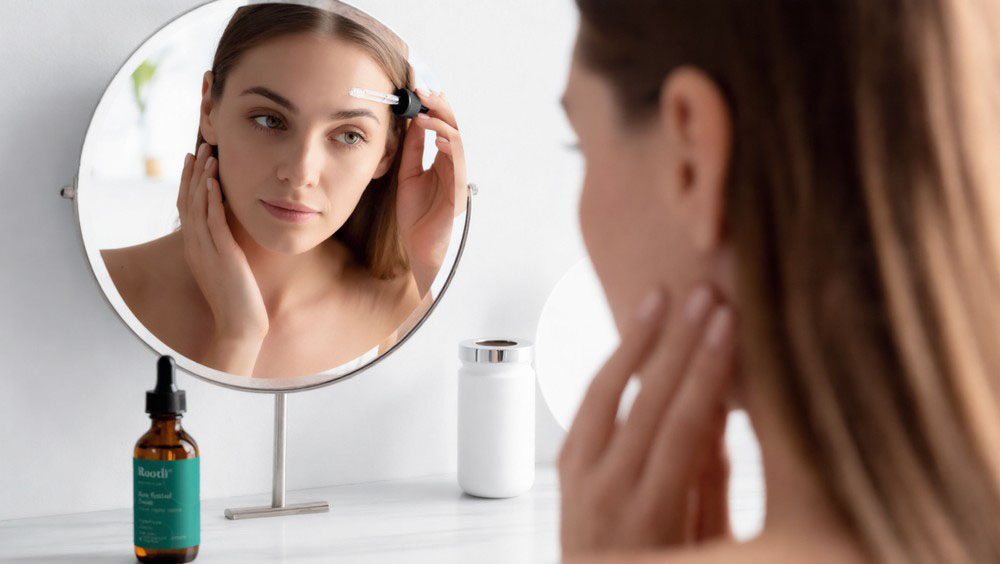
This is the step most people skip, and it is the one that changes how scalp care feels. After towel-drying, part your hair in a few rows and apply a lightweight serum directly along the scalp, then massage it in. Rootli Serum is made for exactly this — a light, non-greasy layer you can use daily without weighing hair down or leaving roots looking flat.
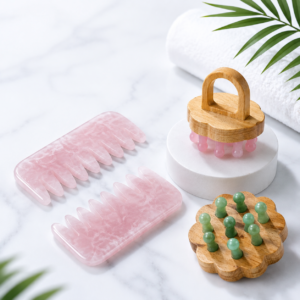
If you enjoy a slower moment, work the serum in with the Rootli Stone Comb – Scalp Gua Sha. Five unhurried minutes of gentle sweeping strokes along the hairline, temples, and crown feels genuinely lovely, and it helps you spread product evenly instead of dropping it all in one spot. Finish with a soft fingertip massage, then leave the serum alone — no rinsing.
At-Home Scalp Tools That Make a Dry Scalp Routine Feel Like a Treat
Tools are not required, but they do something quietly useful: they make the routine tactile enough that you actually want to do it. When a step feels good, you repeat it. And repetition is where comfort lives.
For a slow, hands-on reset
The Natural Ritual Set is built around the idea that scalp care can feel like a small spa moment at home — gentle, tactile, and unhurried. It is a lovely fit for the evenings when you want comfort more than speed.
For lightweight hydration between washes
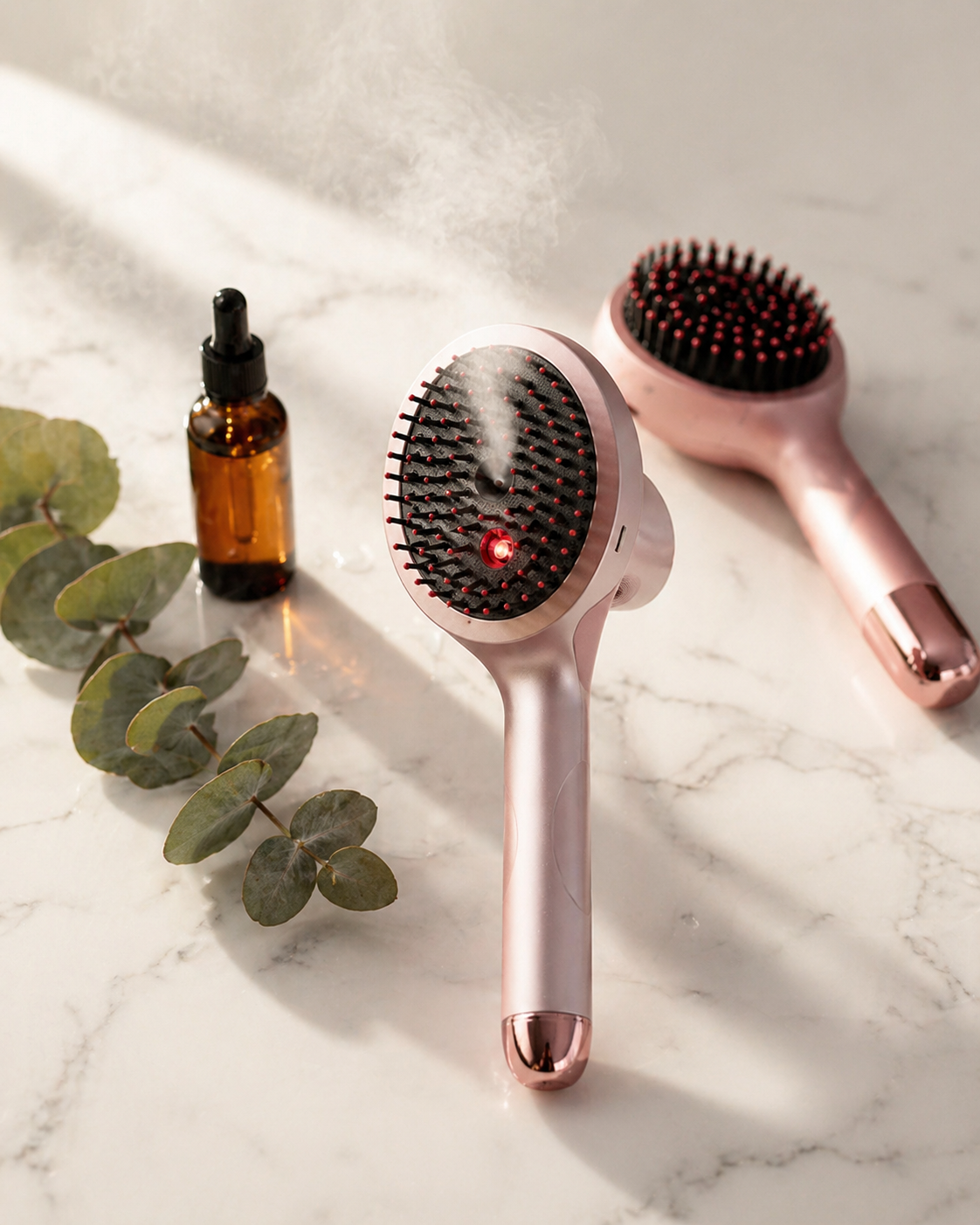
Rootli Infuser – Nano Mist Scalp Device lays down a fine mist across the scalp, which is a nice way to add a touch of hydration on non-wash days without soaking your roots.
For even serum distribution
Rootli Serum Comb Serum-Infusing Scalp Massage Brush does two jobs at once: it massages the scalp and pushes serum through the hair so it reaches skin rather than sitting on top of strands. If you have ever struggled to get product past your part line, this solves it in seconds.
For weekly warmth
Rootli Cap turns a wash-day treatment into a warm scalp spa ritual. Pair it with a conditioning mask on the nights you have twenty minutes to yourself and nowhere to be.
If you want to build a fuller routine
The Glow Detection Set is designed for checking in on your scalp and building a more intentional routine over time. It pairs beautifully with the serum-and-massage habit above, especially if you like knowing what you are working with before you choose your products.
What to Skip When Your Scalp Feels Tight and Flaky
Just as important as what you add is what you take out. When your scalp feels uncomfortable, treat it the way you would treat reactive skin on your face: fewer actives, less friction, more moisture.
- Aggressive scrubs and coarse exfoliating brushes. Friction on already-tight skin rarely feels better afterward.
- Alcohol-forward toners and astringent sprays. They can leave the scalp feeling drier than before.
- Hot tools pressed close to the roots. Give your scalp a little breathing room when you style.
- Tight ponytails and braids worn all day. Loosen them, especially along the hairline.
- Undiluted essential oils straight from the bottle. Always dilute in a carrier before applying.
- Picking at flakes. It is tempting and it never helps. Massage gently instead.
One more thing worth saying plainly: a beauty routine is for comfort and care, not for diagnosing anything. If your scalp is persistently painful, irritated, or you are noticing sudden changes in your hair, that is a conversation for a dermatologist or doctor — well outside what a serum and a scalp massage can offer.
A Dry Scalp Routine You Will Actually Keep
Keep it small. On a normal week, your routine might look like this: wash every two to three days with lukewarm water and a gentle cleanser; massage Rootli Serum into a damp scalp three or four evenings a week; use the Rootli Stone Comb – Scalp Gua Sha for five slow minutes whenever your scalp feels tight; and once a week, make an evening of it with The Natural Ritual Set and a warm Rootli Cap treatment.
That is it. No twelve-step program, no harsh resets, nothing that stings. Just a soft, repeatable ritual that treats your scalp like the skin it is — and, honestly, like it deserves the same attention you give your face.
Start with one step tonight. A minute of massage, a few drops of serum, a little warmth. Your scalp will tell you what feels good, and that is the best guidance a dry scalp routine can get.