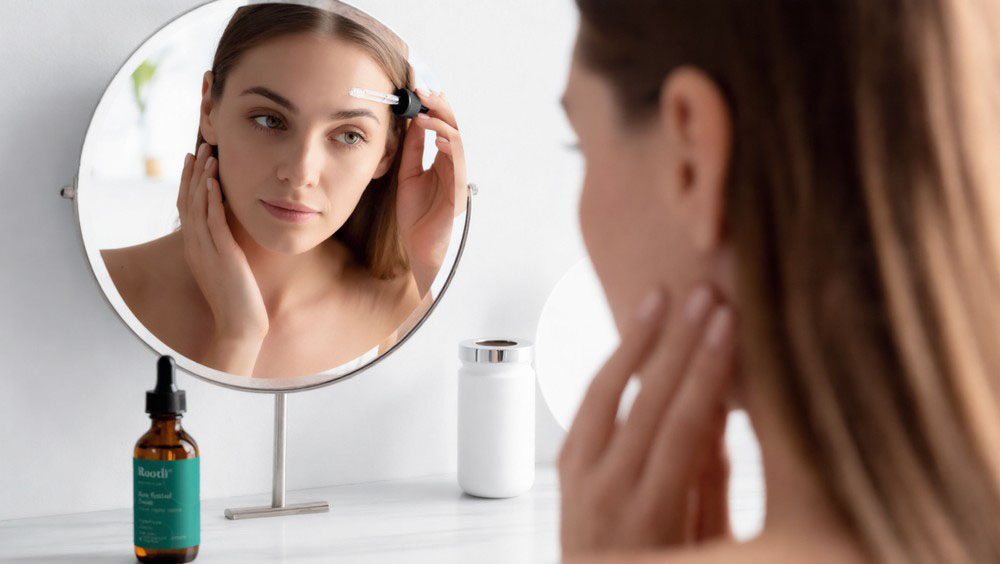
There is a particular kind of scalp discomfort that never makes it into hair tutorials: the tightness that shows up a day after washing, the fine flakes that dust the shoulders of a black sweater, the itch you notice most when you finally sit still. If that sounds familiar, you are in good company — and you are not doing anything wrong.
A dry-feeling, tight-feeling scalp usually responds better to less than to more. Fewer aggressive suds, cooler water, and a slower, more intentional dry scalp routine that treats the skin on your head with the same care you give your face. Below is a practical, beauty-first approach: what tends to leave a scalp feeling parched, how to read what yours is telling you, and the steps actually worth keeping.
Why Your Scalp Feels Tight and Flaky, Even When Your Hair Looks Fine
The skin on your scalp is thinner and more sensitive than most of the skin on your body, and it is working harder — more follicles, more oil glands, more product traffic. That combination means it can feel dry and tight even while your hair looks perfectly healthy.
Flaking is the part that confuses people most. A flaky-feeling scalp is not automatically a dry scalp. Sometimes it is simply skin turnover doing its thing. Sometimes it is buildup — dry shampoo, styling sprays, conditioner that never fully rinsed. Sometimes it is a scalp that has been stripped by hot water and strong surfactants, and it is flaking as it tries to rebalance. And sometimes it is something that deserves a professional’s eye.
If flaking is persistent, itchy, inflamed, or spreading, that is a conversation for a dermatologist or your doctor. For everyday tightness, dullness, and that squeaky, stripped feeling after washing, a gentler routine is usually the answer.
Everyday habits that quietly leave your scalp feeling parched
- Water hot enough to steam up the mirror
- Sulfate-heavy shampoo used daily, applied straight to the roots
- Conditioner left on the scalp instead of the mid-lengths and ends
- Dry indoor air from heating and air conditioning
- Tight ponytails, braids, and claw clips worn in the same spot
- Heavy oils layered on top of the scalp instead of sinking in
- Going straight from towel to blow-dryer with no massage in between
None of these are sins. They are just small, repeatable choices — which means they are also easy to adjust.
Shop the scalp ritual
Start by Looking at Your Scalp, Not Just Your Hair
Most of us know our hair type by heart and have no idea what our scalp looks like. Before you buy anything, take a look. Part your hair in a few places under good light, or use a tool that gives you a closer view. The Rootli Scope AI-Connected Scalp & Follicle Analyzer was designed exactly for this — scalp and follicle visibility in your own bathroom, so you can see what is actually going on instead of guessing.
What you are looking for is not a diagnosis. It is a baseline: Is the skin along your part shiny or matte? Are there visible flakes near the hairline or at the crown? Does one area feel tighter than the rest? Knowing your normal makes it far easier to tell when something is helping.
Reading the signs without spiraling
- Tightness right after washing usually points to stripping — water temperature or cleanser strength
- Flakes that brush off easily are often dryness or product residue
- Flakes that cling, plus itch, are worth showing to a professional
- Shine at the roots with tightness at the hairline suggests a combination scalp, not a dry one
Once you know your pattern, your routine can get much simpler, because you are no longer trying to treat everything at once.
A Gentle Dry Scalp Routine, Step by Step
Step 1: Wash less aggressively, not necessarily less often
If you wash daily and your scalp feels tight afterward, the fix is not automatically fewer washes — it is a gentler wash. Turn the water down to lukewarm, choose a cleanser without harsh sulfates, and focus the lather at the roots rather than scrubbing the whole length. Rinse longer than feels necessary. Residue is a quiet, underrated cause of flaking.
Step 2: Massage before you rinse
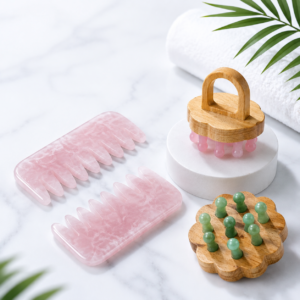
Scalp massage is the most underrated step in any dry scalp routine. A few minutes of slow, circular pressure helps the skin feel more comfortable and wakes up the area without any scrubbing. The Rootli Stone Comb – Scalp Gua Sha was made for exactly this: a five-minute scalp massage that doubles as pre-serum prep, so your skin is warmed up and receptive before anything touches it.
If you prefer a little more grip, the Rootli Serum Comb Serum-Infusing Scalp Massage Brush combines massage with even serum distribution, which is useful when you want to work product through the scalp rather than just on top of it.
Step 3: Treat with something lightweight
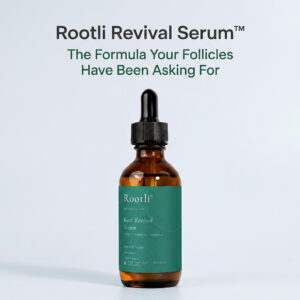
Heavy oils can feel soothing for an hour and then suffocating by morning. A lightweight, fast-absorbing formula is easier to live with, especially if your scalp is on the reactive side. Rootli Serum is a daily scalp serum made to sink in rather than sit on the surface — a few drops along your part and hairline, then a minute of massage.
If you would rather have the whole ritual gathered in one place, The Natural Ritual Set brings together a gentle, tactile scalp-care routine, so you are not assembling five separate products while standing in the bathroom at 11 p.m.
Step 4: Add warmth once a week
Warmth is one of the fastest ways to make a scalp feel comfortable. The Rootli Cap turns a weekly wash day into a warm scalp spa moment — the kind of thing you actually look forward to, which matters more than most people admit.
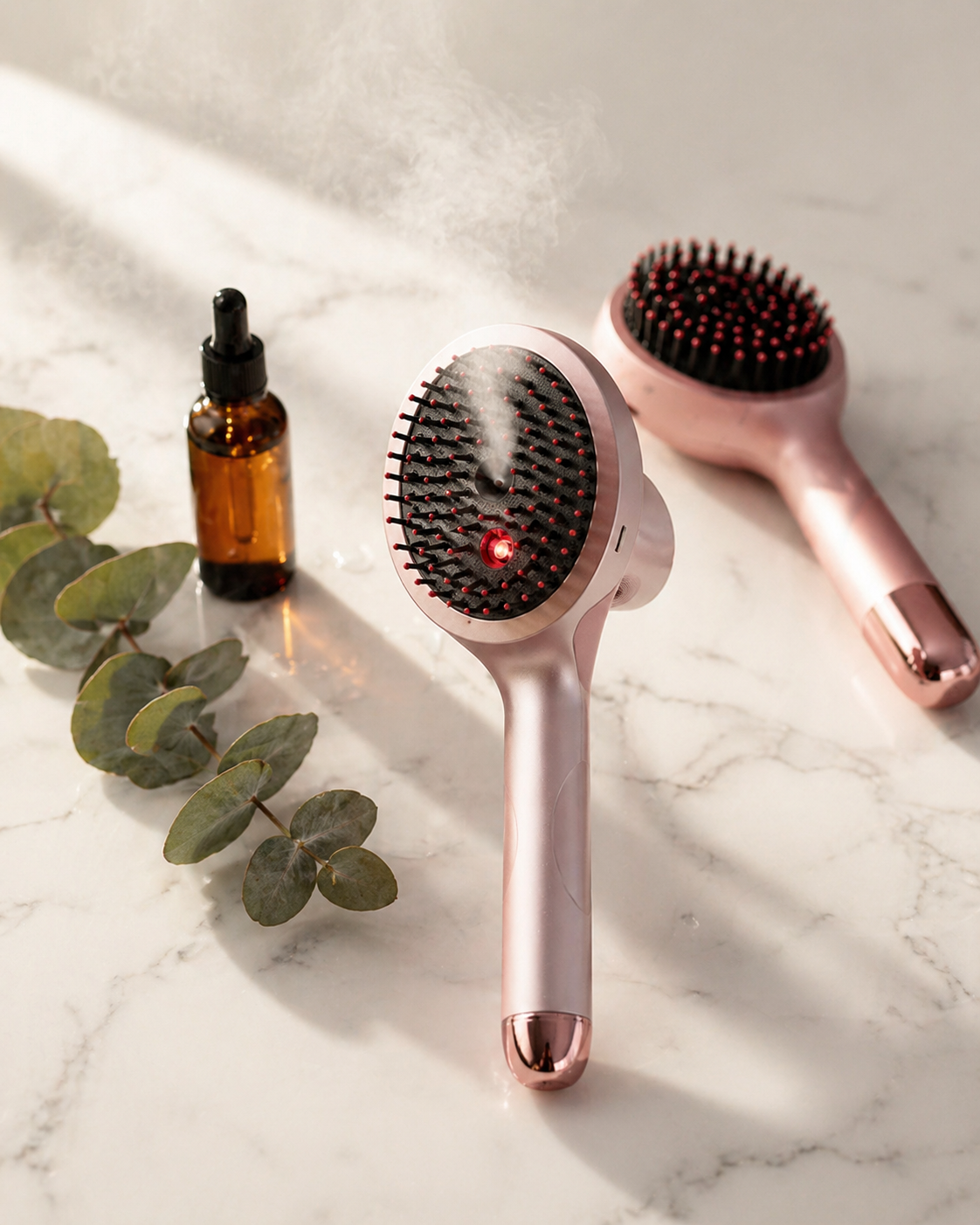
If you prefer mist-based coverage, the Rootli Infuser – Nano Mist Scalp Device delivers fine, even distribution across the scalp, which feels especially nice when your skin is sensitive to rubbing.
How to Build a Dry Scalp Routine That Feels Calm, Not Clinical
Here is the mindset shift that changes everything: scalp care is skincare, not a problem to be fixed. The moment your routine starts to sound like a treatment protocol, you stop doing it. The moment it feels like five nice minutes to yourself, you keep going.
That means choosing language and products that feel good. Instead of asking whether something is working, ask whether your scalp feels more comfortable than it did last month. A balanced-feeling scalp, a comfortable scalp, healthy-looking hair with more shine at the roots — those are the markers worth tracking.
Three rules that keep it gentle
- Patch test new serums on a small area first, especially if your scalp is reactive
- Change one thing at a time, so you know what is actually helping
- Give it four to six weeks before deciding anything — skin and hair move on their own timeline
It also helps to lower the stakes. You are not managing a condition. You are caring for skin that happens to be attached to your hair.
Small Habits That Keep Your Scalp Comfortable Between Wash Days
- Sleep on a clean pillowcase; silk or satin reduces friction
- Loosen your hairstyle at the end of the day instead of wearing it tight until bedtime
- Add a humidifier if your home air runs dry in winter
- Press or massage instead of scratching when the itch shows up
- Brush before you wash to loosen buildup, not during
- Keep a small comb or massager within reach for two-minute resets
For quick touch-ups, the Mist Hair Comb: Vibrating Scalp Massager pairs mist application with vibrating massage, which is handy when your scalp feels tight and you do not want to start over with a full wash. And if you like a more sculpted approach, the Root Sculptor Premium Pink Scalp Comb – Gua Sha Massager offers a gemstone gua sha-inspired massage that fits neatly into a two-minute evening wind-down.
Your Scalp Deserves the Same Care as Your Face
You would not wash your face with dish soap and call it a routine. Your scalp is skin too — thinner, harder-working, and covered in hair, which makes it easy to ignore until it starts feeling tight and flaky. A dry scalp routine does not need to be complicated. Lukewarm water, gentle cleansing, a few minutes of massage, a lightweight serum, and one weekly warm ritual will do more than a shelf of products you never reach for.
Start with the basics and build slowly. If you would like the tactile, slow version, The Natural Ritual Set is a lovely place to begin. If you would rather keep things minimal, Rootli Serum and two minutes of massage are genuinely enough. Either way, give your scalp the same attention you give your face — and let it feel comfortable again.