There is a moment in every good beauty routine when you stop rushing. Maybe it is the thirty seconds you spend pressing a serum into your skin, or the way you take your makeup off slowly at the end of a long day. Scalp massage is that moment for your hair, and it is one of the reasons circulation-focused rituals have moved from spa menus into everyday bathroom cabinets.
The idea is simple: your scalp is skin, and it responds to touch, movement, and a little attention. A scalp massage routine will not replace the basics of good hair care, but it can make those basics feel better, work more smoothly, and turn a chore into something you actually look forward to. Add gua sha and a few well-chosen tools, and you have a ritual that fits the way people are caring for their hair right now: slower, more intentional, and a lot more scalp-first.
Why Scalp Massage Became the Quiet Star of Modern Hair Care
For years, hair care started at the mid-lengths and ended at the ends. Shampoo, conditioner, a mask on Sundays, maybe a heat protectant. The scalp got whatever runoff happened to land on it. That is changing, and the shift is less about a single product than about a habit: people are touching their scalps on purpose.
A scalp massage is exactly what it sounds like: deliberate, gentle movement across the scalp with fingertips, a comb, or a device. Done consistently, it is one of the easiest ways to support scalp health, because it works with something you already do every day. You are not adding a step so much as upgrading one.
The appeal goes beyond the practical. Massage is tactile, and a scalp that feels comfortable and cared for tends to show it. Hair looks glossier, styles sit better, and the whole routine feels less like maintenance and more like a small luxury. That emotional piece matters, because beauty rituals stick when they feel good, not when they feel like homework.
There is also a timing story here. Scalp-first hair care arrived alongside at-home beauty tech, and the two grew up together. Devices that once lived in salons now sit on bathroom shelves. A circulation-focused ritual is the bridge: it does not require electricity or a big investment to start, but it pairs beautifully with tools when you are ready to go further.
Shop the scalp ritual
-
Sale!
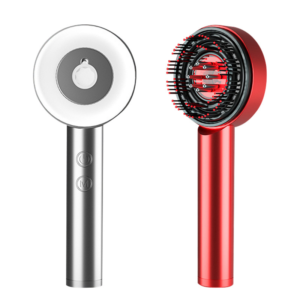
Rootli Serum Comb Serum-Infusing Scalp Massage Brush
Original price was: $198.00.$178.00Current price is: $178.00. Select options This product has multiple variants. The options may be chosen on the product page -
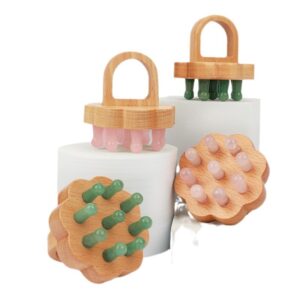
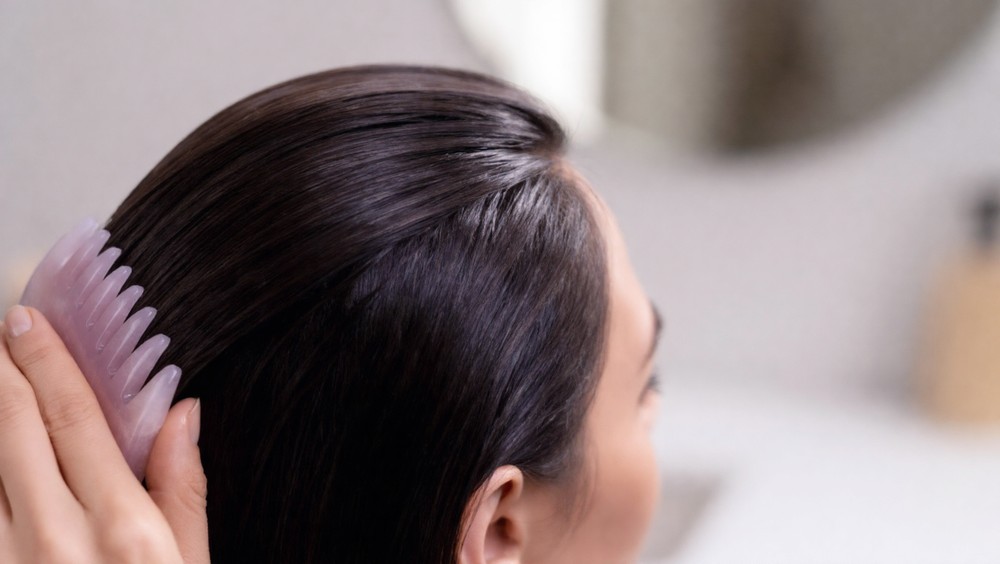
Gua Sha for the Scalp: What a Crystal Comb Actually Does
Gua sha has been a facial ritual for years. The scalp version follows the same logic, using smooth, gliding strokes with a stone tool, but the terrain is different. Your scalp has more hair, more curves, and often more tension than your cheeks, especially if you wear tight styles, sleep on the same side every night, or carry stress in your jaw and neck.
That is where a scalp gua sha earns its place. A crystal or stone comb gives you a smooth edge to work with, so you can move across the scalp without pulling or scratching. The strokes are slow and deliberate, and the pressure stays light. Think of pressing a warm spoon against your skin, not digging in.
How to use a scalp gua sha without overdoing it
Start at the hairline and work backward in short, gliding passes. Follow the natural lines of your scalp: front to crown, temples to crown, nape to crown. Overlap your strokes slightly so nothing gets skipped, and keep the tool almost flat against the scalp rather than angled like a rake.
Two minutes per section is plenty. If you are using a tool like the Rootli Stone Comb – Scalp Gua Sha, the curve follows the shape of your head, which makes it easier to stay gentle. A little oil or serum helps the tool glide and doubles as scalp care. The Rootli Serum is lightweight enough to disappear into the scalp rather than sit on top of it.
One note: skip gua sha on a scalp that feels irritated, sunburned, or tender. This is a comfort ritual, and comfort is the point.
Building a Circulation-Focused Routine That Fits Real Life
The best circulation-focused routine is the one you will actually repeat. That usually means short, simple, and attached to something you already do, whether that is right before washing, right after styling, or while you are watching something in the evening.
The five-minute evening version
If you want one ritual to anchor everything, make it this one. Apply a few drops of serum along your part lines, then massage with fingertips or a brush for three to five minutes, working from hairline to crown. Follow with slow gua sha passes if you have a stone comb. That is it. You have combined serum application, massage, and a wind-down moment in one go.
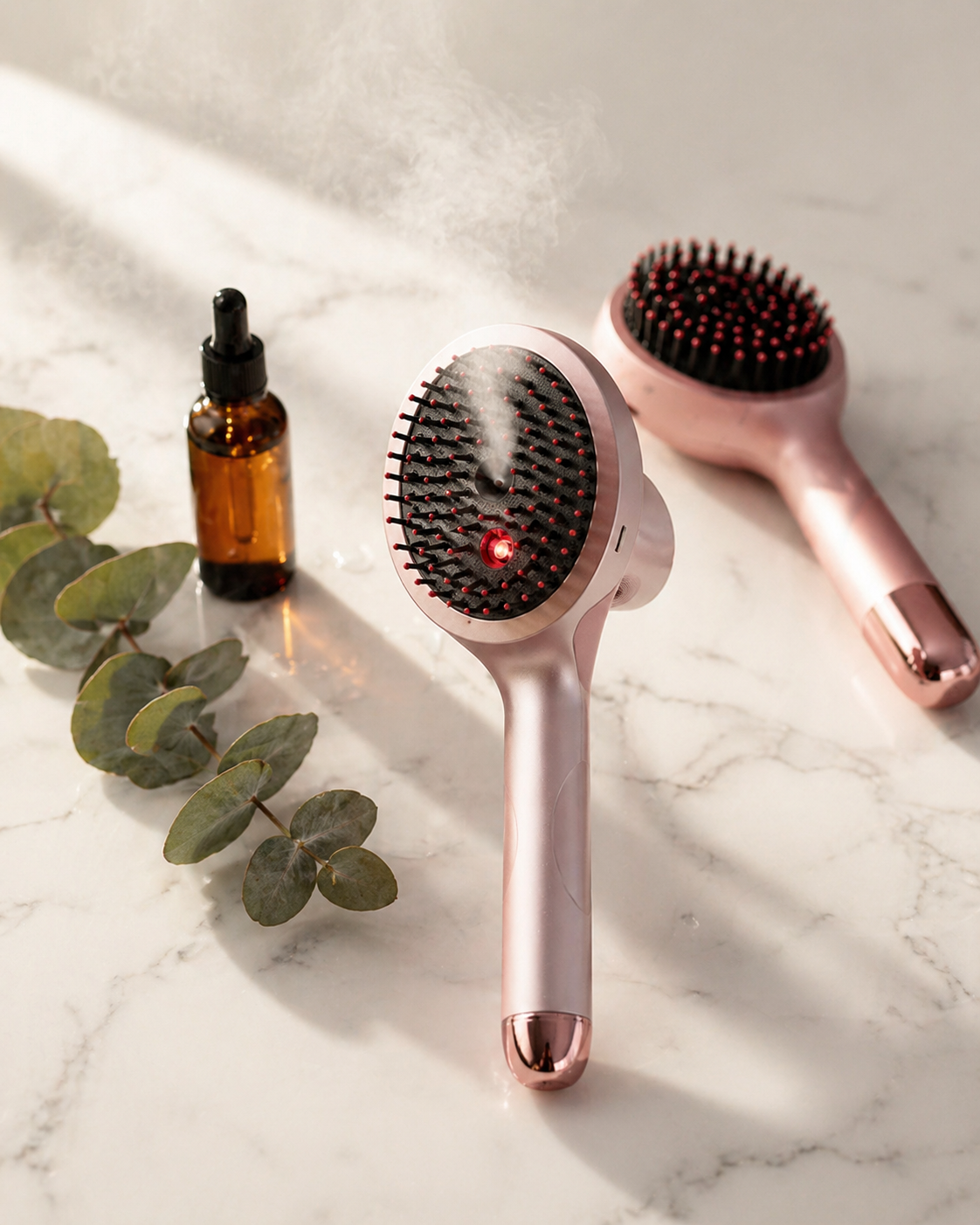
A tool like the Rootli Serum Comb Serum-Infusing Scalp Massage Brush was made for exactly this. It distributes serum through the scalp while the bristles do the massaging, so you are not juggling two separate steps. If you would rather have light, massage, and serum-assisted care working together, the Rootli Wand Pro 4-in-1 Smart Beauty & Scalp folds several rituals into one handheld device.
The weekly reset
Once a week, give the ritual more time. Ten to fifteen minutes is a lovely amount: warm up the scalp with your hands, work through with a comb or gua sha, then finish with a serum and a few minutes of stillness. If you like the idea of a warm, spa-like session at home, the Rootli Cap is built for weekly warm scalp rituals.
- Before washing: massage first, then cleanse. Movement helps you get to product buildup more easily.
- Before styling: a two-minute pass can make the scalp feel less tight under a ponytail or braid.
- Before bed: the slowest version, and the one most people keep.
- After a long week: longer strokes, more time, no rush.
Consistency beats intensity every time. Three minutes most days will do more for how your scalp feels than one heroic twenty-minute session a month.
What to Look For in Circulation-Focused Tools
The tool market is crowded, and the good news is that you do not need much. What matters is whether a tool is comfortable in your hand, gentle on your scalp, and easy enough to use that you reach for it without thinking.
- Rounded tips and smooth edges. Anything that scratches or snags is working against you.
- A shape that follows your head. Curved combs and stones navigate the crown and nape better than flat ones.
- Weight that feels natural. Too light and you press too hard; too heavy and your wrist tires.
- An easy clean. Scalp tools touch product and skin, so they should rinse quickly.
If you are curious about your scalp before committing to a routine, the Rootli Scope AI-Connected Scalp & Follicle Analyzer offers a closer look at your scalp and follicles, which can make choosing a ritual feel more intentional. And if light-based routines appeal to you, the Rootli Pulse Pro – LED Light Cap pairs hands-free red and blue light scalp care with the same slow, consistent approach.
What to skip: anything that promises a transformation, anything that hurts, and anything you would have to schedule your day around. This is a beauty ritual, not a regimen.
A Gentle Place to Start
If you are new to all of this, start with your hands. No tools, no shopping, just three minutes of slow pressure along your hairline before you shower. Once that feels like second nature, add a serum, then a comb, then a stone.
When you are ready for something more tactile, The Natural Ritual Set brings together gentle, hands-on scalp care, and The Rootli Serum Lab is a lovely next step if serum-led nourishment is what you are after.
Scalp massage, gua sha, and circulation-focused rituals are not a trend that asks you to overhaul your routine. They ask for a few minutes, a light touch, and a little curiosity about the skin you have been ignoring. Start there, and both your scalp and your Sunday evening will thank you.