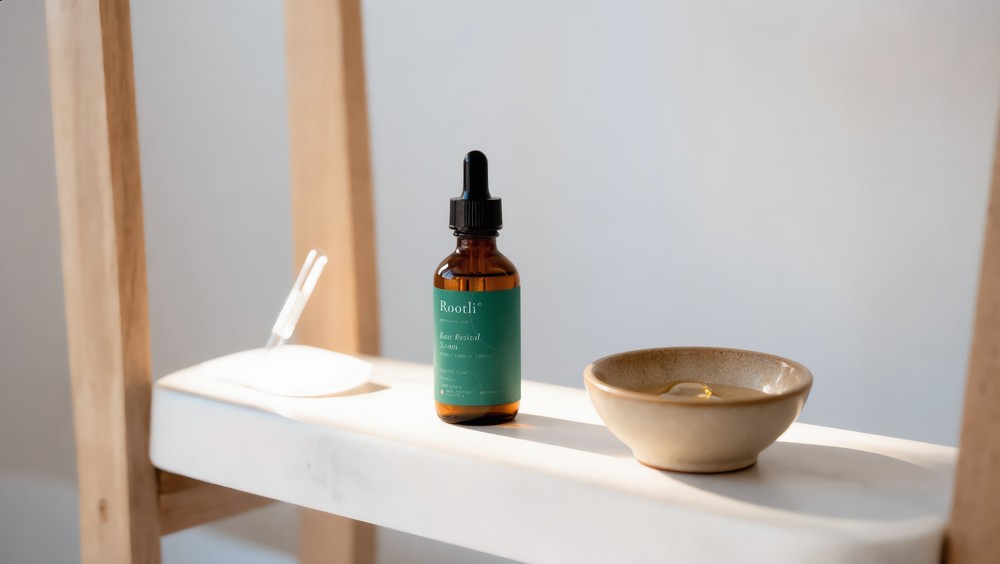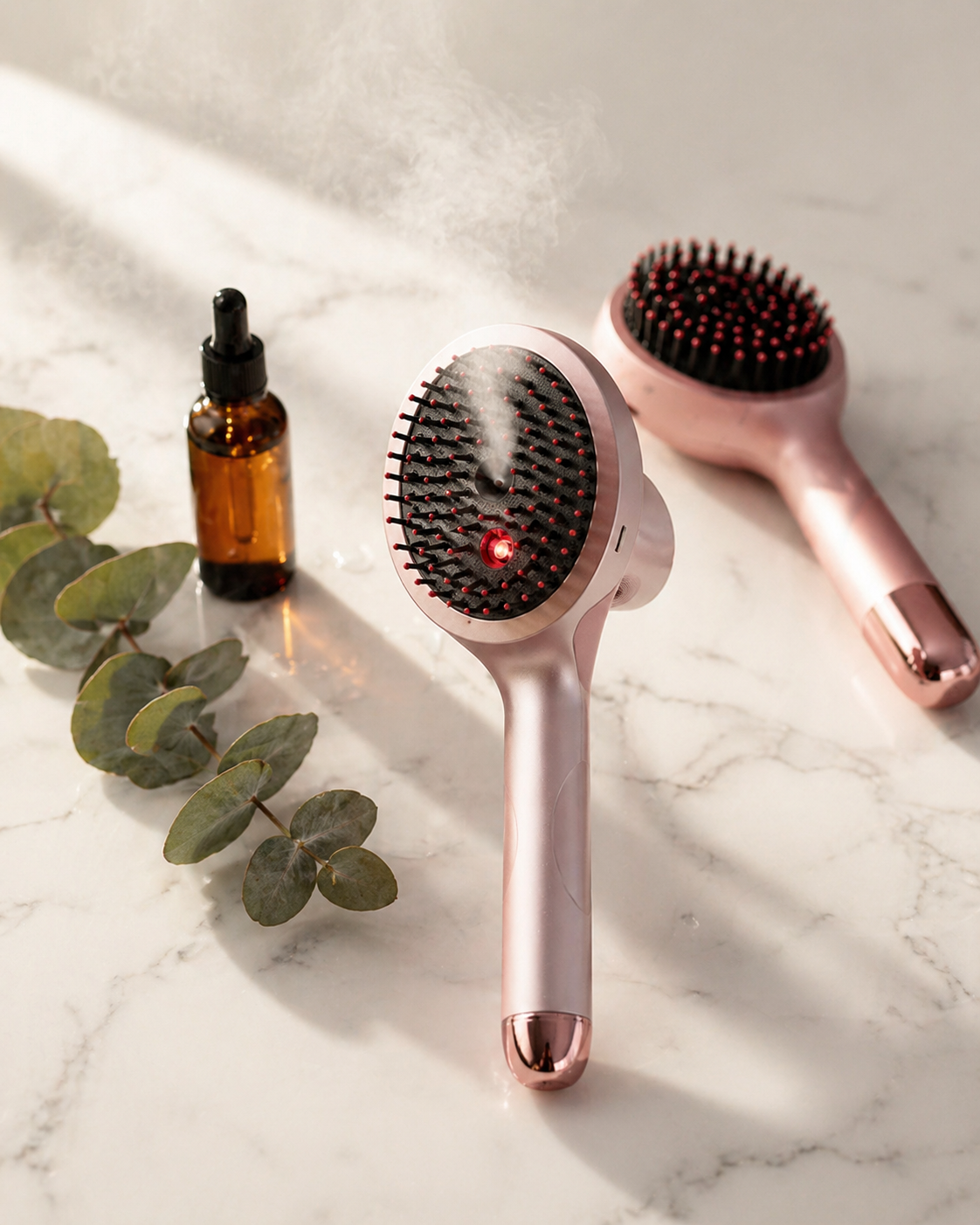
If your bathroom shelf has quietly split into two zones — one for your face, one for everything else — you are in good company. For years, hair care lived in the everything-else category: wash, condition, maybe a mask when you remembered. Then the skinification of haircare arrived, and the conversation shifted. Suddenly the scalp was not just the place hair comes from. It was skin. Skin that gets oily, dry, tight, flaky, sensitive, and tired. Skin that responds to consistency, gentle formulas, and a little attention.
That is the whole idea, really. Skinification is not a trend that asks you to buy more. It is a shift in attention. When you start caring for your scalp the way you care for your face, the payoff is not an overnight transformation. It is a scalp that feels comfortable, balanced, and calm, and hair that looks healthier, glossier, and fuller over time. That is a more honest promise, and a far more enjoyable one to keep.
What the Skinification of Haircare Really Means
The term gets used loosely, so here is the plain version: the skinification of haircare is the shift from treating hair as the main character to treating the scalp as skin that deserves its own routine. Instead of asking what will make my ends look better, you start asking what my scalp needs today.
That reframe changes what you buy and how you use it. Serums replace heavy leave-ins. Massage replaces frantic scrubbing. Tools replace guesswork. You can see it in the vocabulary, too — scalp barrier, scalp microbiome, buildup, sensitivity, hydration — words that used to belong only to facial skincare now show up in every haircare conversation.
Your scalp is skin, with a few important differences
Scalp skin is thicker than the skin on much of your face, and it holds a far higher density of hair follicles and oil glands. That combination explains a lot of the confusion people feel. It can be oily at the roots and tight or flaky in the same week. It can react to a product your face tolerates easily. And it can feel completely different from one season to the next.
- A skin barrier that prefers gentle, consistent care over harsh stripping.
- Sebaceous glands that can make the scalp feel oily within a day or two.
- Follicles and a microbiome that thrive in a balanced-feeling environment.
- A nerve-rich surface that responds beautifully to massage, warmth, and touch.
Why scalp care took so long to get here
Partly because the scalp is hidden. You can see your face every morning, so you notice when it changes. The scalp only makes itself known when something feels off — tightness, itchiness, buildup, flakes on a dark sweater. For decades, that meant scalp care was reactive. Skinification flips it into something proactive and, honestly, something pleasant.
Shop the scalp ritual
Why Scalp Routines Are Becoming the New Skincare Step
Think about why your skincare routine works. It is not one heroic product. It is a small set of steps repeated often enough to matter. Scalp care behaves the same way, which is exactly why it has slotted so naturally into the routines of people who already think in steps. The scalp is simply the step that used to be missing.
The cleanse, treat, protect framework, translated
- Cleanse: a gentle wash that clears product buildup and excess oil without leaving the scalp feeling squeaky or stripped.
- Treat: a lightweight, fast-absorbing formula applied directly to the scalp, where it can actually do its job.
- Massage: one to three minutes of steady pressure with fingertips or a tool, to help you unwind and encourage circulation.
- Protect: shade, a hat, and gentle handling when hair is wet and most vulnerable.
Notice what is missing from that list: heat, aggressive scrubbing, and ten-product layering. Skinification is not about doing more. It is about doing the right things often enough to feel a difference.
It is finally measurable, and that changed everything
Part of what makes scalp care feel like skincare now is visibility. Tools like the Rootli Scope AI-Connected Scalp & Follicle Analyzer let you look closely at your scalp and follicle area at home, so you can see what your routine is actually doing instead of guessing. If you would rather begin with guidance, the The Rootli Diagnostic Pro helps you understand your scalp before you choose a ritual — a very skincare way to start.
How to Build a Scalp-First Routine That Fits a Real Week
Here is a version that works for most people, with plenty of room to adjust. The goal is not a perfect routine. It is a repeatable one.
Daily, in under two minutes
Apply a few drops of a lightweight scalp serum along your part lines and massage it in with your fingertips. That is it. Rootli Serum is designed for exactly this kind of low-effort consistency — light enough to disappear into your morning, focused enough to feel like a real step rather than an afterthought.
Two or three evenings a week
This is where tools turn a task into a ritual you actually look forward to. The Rootli Serum Comb Serum-Infusing Scalp Massage Brush pairs massage with even serum distribution, so you are not just applying product but working it through the scalp. If you like the idea of a light-based step, the Rootli Glow Comb Dual-Light Scalp Brush turns a few minutes of brushing into a dual-light scalp moment. For mist lovers, the Mist Hair Comb: Vibrating Scalp Massager adds a soft, vibrating massage to your serum or essence step.
The weekend reset
Once a week, give yourself fifteen unhurried minutes. A warm scalp ritual with the Rootli Cap is one of the most soothing ways to close out a week. The Rootli Stone Comb – Scalp Gua Sha works beautifully as a pre-serum step — five minutes of slow, deliberate strokes before you apply anything else — while the Root Sculptor Premium Pink Scalp Comb – Gua Sha Massager makes that same ritual feel like a small luxury. Want something hands-free? The Rootli Pulse Pro – LED Light Cap lets you sit back while it does its thing.
Choosing Formulas and Tools Without Overcomplicating It
The scalp-care aisle is getting crowded, which is a good problem until it is not. A few filters keep it simple.
- Keep formulas light. Heavy oils and thick creams can sit on the scalp and feel like buildup. Look for serums and mists created for scalp use.
- Start with one treatment step and one massage tool. You can add more later. Consistency beats variety every time.
- Match the tool to the moment. A quick comb for busy mornings, a gua sha-inspired comb for slow evenings, a light cap for hands-free sessions.
- Read the label the way you read a skincare label. Fragrance, alcohol, and exfoliating acids are not automatically villains — they are simply things to introduce one at a time.
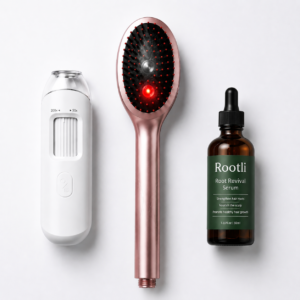
If you are serum-led and want everything in one place, The Rootli Serum Lab is built around the idea that nourishment belongs at the scalp, not only on the ends. If you want a fuller, more tactile experience — the kind of ritual that feels like a facial for your head — the The Natural Ritual Set covers the massage side of things beautifully. And if you are curious about light-based routines, the The Light Therapy Duo or the The LED Power Duo give you a structured way to explore them at home.
What Actually Changes When You Stay Consistent
Nothing dramatic happens in a week, and that is completely fine. What tends to change first is how your scalp feels: less tight, less itchy, more comfortable. Then come the smaller signals. A part line that looks less flaky under bathroom lighting. Roots that do not feel heavy by day two. Hair that looks glossier because the scalp underneath it is calm and cared for.
That is the quiet promise of the skinification of haircare. Not a miracle, but a routine that respects the skin you already have — and the hair that grows from it. If you have been treating your scalp as an afterthought, consider this a gentle invitation to move it up the list.
Where to Begin Without Overhauling Your Routine
Start with one step, not a shelf. Choose the entry point that matches where you are right now: daily serum care with Rootli Serum, a guided starting point with The Rootli Diagnostic Pro, or a complete ritual set if you would rather have the whole experience in one box. Use it three times this week. Notice how your scalp feels. Your scalp has been waiting for its turn, and it does not need much — just the same thoughtfulness you already give your face.