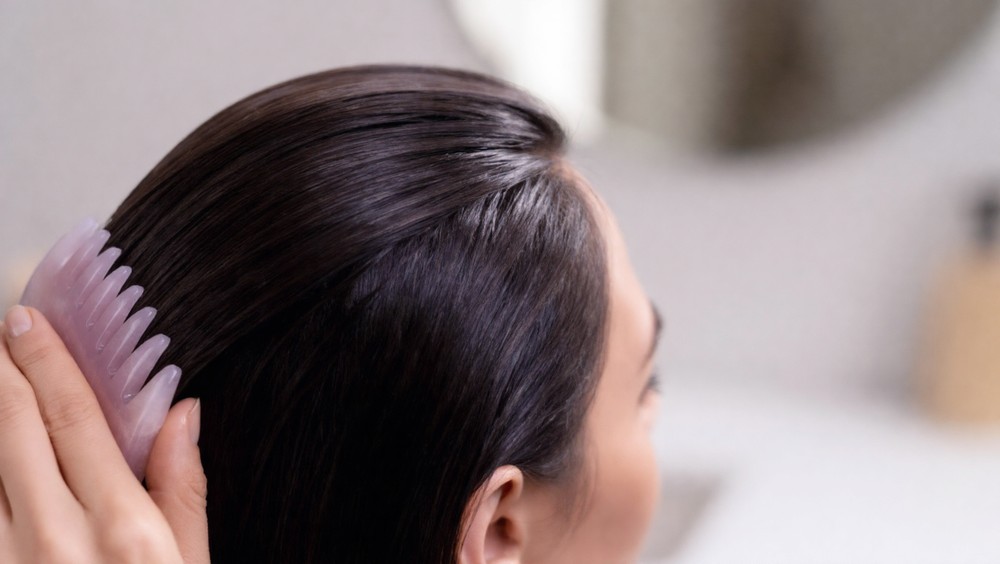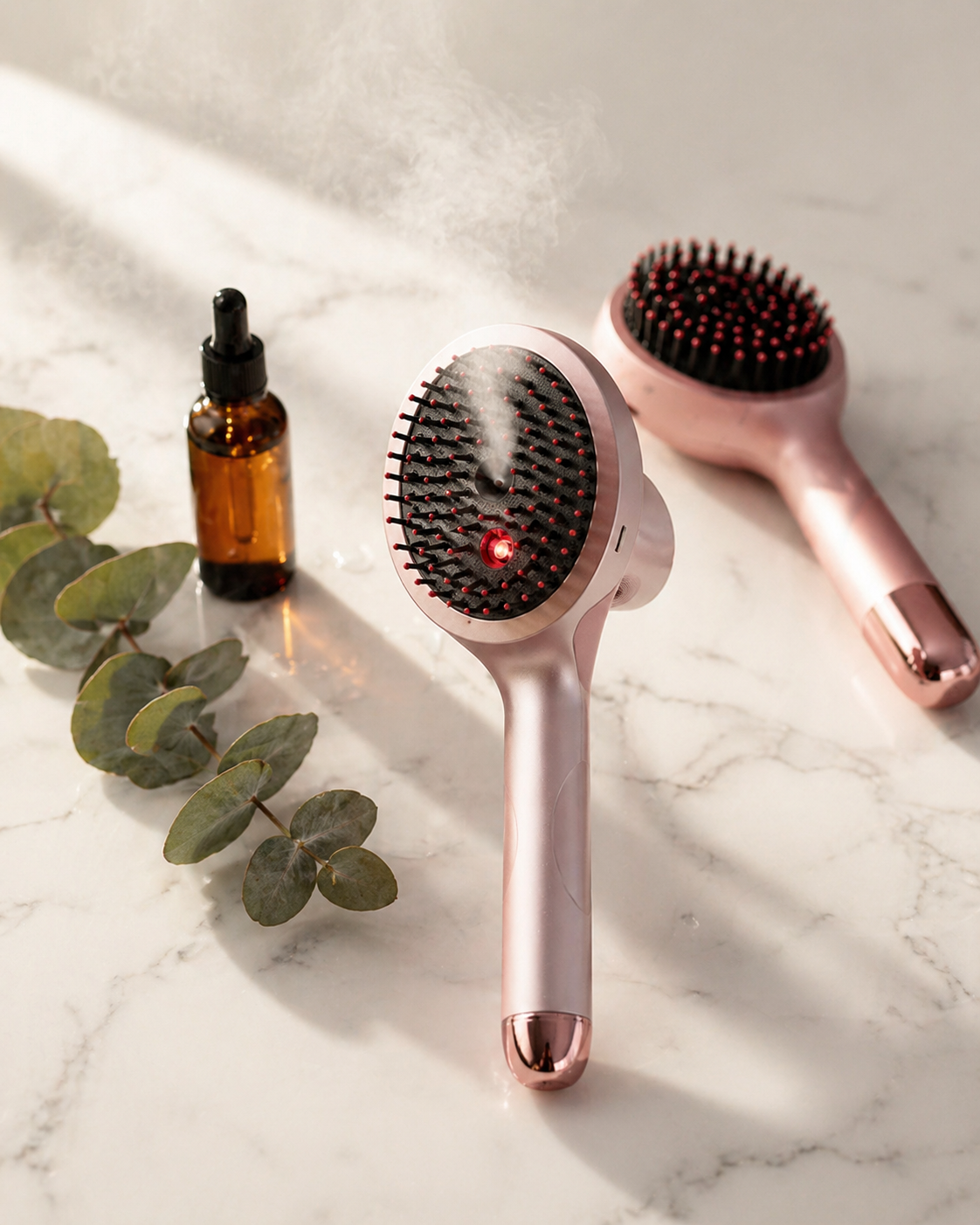
If your hair-care routine has quietly turned into a scalp-care routine, you are not imagining it. Somewhere between the rise of at-home beauty tech and the growing idea that the scalp deserves the same attention as the face, scalp massage and gua sha have moved out of the treatment room and onto the bathroom shelf. And honestly, they fit there beautifully.
Neither is magic, and neither replaces anything a dermatologist would do. What they offer is simpler and still worth having: a gentle, tactile way to pay attention to your scalp, to release the tightness that builds up over a long week, and to help the serums you already use feel like they are actually landing. Here is how scalp massage and gua sha fit into modern hair care, and how to build a version you will genuinely keep.
How Scalp Massage and Gua Sha Became Modern Hair Care Rituals
Gua sha has been part of traditional Chinese beauty and wellness practice for centuries, traditionally worked across the face, neck, and shoulders with a smooth stone and a little oil. Scalp massage has its own long history — in Indian champi oil massage, in Japanese head spa treatments, in the simple habit of a mother’s hands on a tired head. What is new is where these rituals now live: inside a category we have started calling scalp-first hair care, sitting somewhere between skincare and self-care.
The shift makes sense. We learned to treat the skin on our face with intention — cleansing it, massaging it, layering lightweight formulas — and it did not take long to notice that the skin on our head is, well, skin. It gets tight. It holds tension. It responds to touch. Once you start thinking of your scalp as skin, a five-minute massage stops feeling indulgent and starts feeling like basic maintenance.
There is also a practical reason these rituals have stuck: they are the rare beauty habit that feels good while you are doing it, not just after. No waiting for results. No complicated steps. Just your hands, a tool, and a few minutes where your scalp is the point.
Shop the scalp ritual
-
Sale!
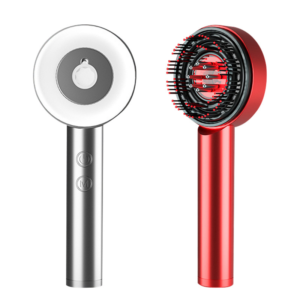
Rootli Serum Comb Serum-Infusing Scalp Massage Brush
Original price was: $198.00.$178.00Current price is: $178.00. Select options This product has multiple variants. The options may be chosen on the product page -
What Scalp Massage and Gua Sha Actually Do for Your Scalp
Let us keep expectations in a healthy place. A scalp massage is not a procedure, and gua sha is not a fix for anything. What both offer is contact, movement, and a few minutes of focused attention. In practice, people who build these rituals into their routine tend to describe the same handful of things:
- A scalp that feels less tight and more comfortable, especially after a long day or a week of pulled-back hairstyles.
- Warmth and a light tingling sensation during and just after massage — a temporary flush that feels lovely and fades quickly.
- More even distribution of the serums, oils, and mists you already use, so product spreads across the scalp instead of pooling in one spot.
- A calmer few minutes in an otherwise loud day, which is its own kind of beauty benefit.
- A scalp that feels cared for, which makes the rest of your routine easier to keep up with.
The honest version of the circulation story
You will see dramatic claims about massage and circulation, and it is worth being clear-eyed. Massage moves tissue, and moving tissue creates a temporary sensation of warmth and activity in that area. What it does not do is guarantee anything about your hair’s future. Anyone promising you a specific number of new strands is selling a story, not a scalp care routine.
What we can say comfortably: a comfortable, balanced-feeling scalp is a nicer place for healthy-looking hair to live. Scalp massage and gua sha support scalp health in much the same way facial massage supports the look of your skin — through consistency, gentleness, and a little attention. That is the frame that keeps this ritual sustainable, and it is the frame Rootli builds its tools around.
A Five-Minute Scalp Massage and Gua Sha Routine You’ll Actually Keep
The best routine is the one that survives a Tuesday. Five minutes is plenty — two minutes of fingertip massage, three minutes with a tool, done while your conditioner sits or right before bed.
Before you begin
- Work on a dry scalp or a damp one. Both are fine.
- Skip it if your scalp feels irritated, sunburned, or tender.
- Use light pressure. This should feel like a scalp massage, not a deep-tissue experiment.
- Add a few drops of serum or oil if you want glide. A little goes a long way.
- Keep your nails out of it. Pads of the fingers, always.
The five-minute sequence
- Minute one: press the pads of your fingers into your scalp at the hairline and walk them back toward the crown in small circles. No dragging.
- Minute two: work along the sides and the base of the skull, where tension likes to sit. Slow, steady pressure.
- Minute three: switch to a comb or gua sha tool. Use short, sweeping strokes from the hairline back, following the direction your hair grows.
- Minute four: if you are using serum, apply it now and comb it through so it reaches the scalp rather than the lengths.
- Minute five: finish with thirty seconds of stillness. Let the warmth settle. That is the ritual.
Tools that make the five minutes feel effortless
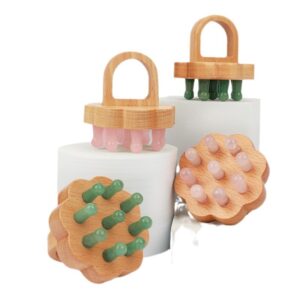
Your hands can absolutely do this alone. But a few well-chosen tools make the motions smoother, more even, and honestly more enjoyable — which is what keeps a ritual alive. The Rootli Stone Comb – Scalp Gua Sha is a lovely first tool: its curved edge follows the shape of the head, and it doubles as pre-serum prep when you want a slower, more deliberate pass. If you like the idea of massaging and applying product in one step, the Rootli Serum Comb Serum-Infusing Scalp Massage Brush is designed to work serum through the scalp while the bristles do the massaging, so nothing sits on top of your roots.
Pair either one with a lightweight daily formula like Rootli Serum, and the whole thing takes less time than drying your hair. If you want more variety, the Mist Hair Comb: Vibrating Scalp Massager adds gentle vibration and a fine mist, which feels especially nice on a tight, tired scalp. For a fuller multi-step ritual, the Rootli Wand Pro 4-in-1 Smart Beauty & Scalp brings massage and serum-assisted application together in one handheld device.
Where These Rituals Fit in Your Week Without Taking Over
You do not need a ten-step schedule or a dedicated hour. Most people do best with a rhythm that scales up and down depending on the week:
- Daily, two minutes: fingertip massage in the shower or before bed. No tools, no products, no planning.
- Two or three times a week, five minutes: gua sha or comb work with serum. This is the sweet spot for most routines.
- Once a week, a longer session: a warm, unhurried scalp ritual. The The Natural Ritual Set is built for exactly this kind of evening, and the Rootli Pulse Pro – LED Light Cap lets you do a hands-free light session while you answer emails or watch something.
If you like knowing what your scalp is doing before you choose a ritual, the Rootli Scope AI-Connected Scalp & Follicle Analyzer gives you a closer look at your scalp and follicles, so you can build a routine around what you actually see rather than what you assume. And if you would rather begin with a guided kit, the The Rootli Serum Lab keeps serum-led nourishment at the center of everything.
Layering massage with serums and light
Order matters less than consistency, but a simple sequence works well for most people: massage first to wake up the scalp, serum second, then light or mist if you are using it. Massage before serum helps the formula spread more evenly, and light sessions tend to feel best on a clean, dry scalp with no heavy product in the way. Whichever order you choose, keep it the same each time — ritual lives in repetition, not in optimization.
Small Mistakes That Turn a Ritual Into a Chore
Most people who quit a scalp routine do not quit because it failed. They quit because it stopped feeling good. These are the patterns worth avoiding:
- Going too hard. Aggressive pressure leaves a scalp feeling sore, not cared for. Light and slow wins.
- Chasing a transformation. If you are massaging your scalp only to see a specific result by Friday, you will quit by Wednesday.
- Dragging a dry tool across dry hair. Add a little serum, mist, or oil for glide.
- Doing it only when your scalp feels bad. The point of a beauty ritual is that it is regular, not reactive.
- Buying five tools at once. One comb, one serum, one habit. Add more later if you love it.
There is also the question of timing. Many people find that a scalp massage and gua sha session lands best at night, when there is no rush and no audience — a quiet few minutes that closes the day. Others prefer the shower, where the steam and the water make the motions feel effortless. Try both once and keep whichever one you actually look forward to.
Start With Five Minutes Tonight
Scalp massage and gua sha do not need to be a project. They need to be a habit small enough to keep — five minutes, a light touch, and a scalp that finally gets the same consideration as the rest of your skin. Pick one tool, choose one time of day, and let the ritual do the rest.
If you are not sure where to begin, start simple: the Rootli Stone Comb – Scalp Gua Sha for slow, deliberate strokes, or the Rootli Serum Comb Serum-Infusing Scalp Massage Brush if you would rather massage and apply serum in a single pass. Either way, your scalp gets five minutes of attention it rarely receives — and that alone is worth building a routine around.