When you think of a hair care ritual, what comes to mind? Maybe a deep-conditioning mask, a nourishing oil, or a gentle shampoo. But there’s a step that’s often overlooked, one that can transform the way your scalp feels and how your hair looks: scalp massage and gua sha. These ancient, circulation-focused practices are making a modern comeback—and for good reason. By dedicating just a few minutes to your scalp each day, you can support its health, soothe tension, and create a moment of calm in your routine. Let’s explore how scalp massage and gua sha fit into today’s hair care landscape and how you can start your own ritual.
Why Scalp Massage? The Simple Joy of Touch
Scalp massage isn’t new. For centuries, people have used their fingertips to stimulate the scalp, ease stress, and promote a sense of well-being. The modern take? It’s a powerful way to boost circulation to the hair follicles—without any harsh ingredients or complicated tools. Improved blood flow means that oxygen and nutrients can reach the scalp more easily, which helps support a healthy environment for hair to thrive.
Beyond the science (or the simple logic of increased circulation), scalp massage feels incredible. It’s a moment of self-care that can lower cortisol, the stress hormone, and leave you feeling refreshed. In a beauty routine that’s often about fixing or perfecting, massage is pure nourishment. And when you pair it with a tool designed for the scalp, the experience deepens.
Tools That Elevate the Massage Experience
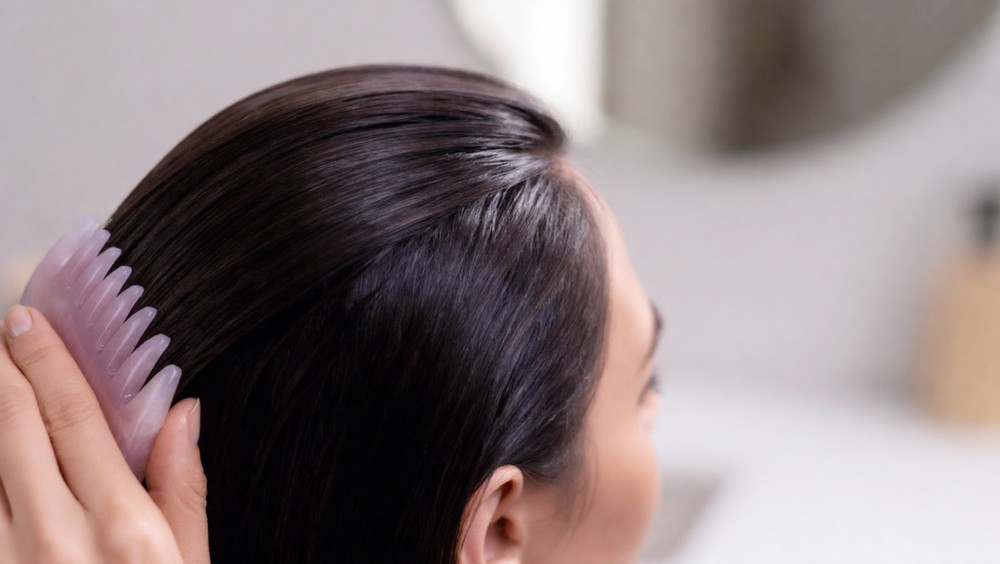
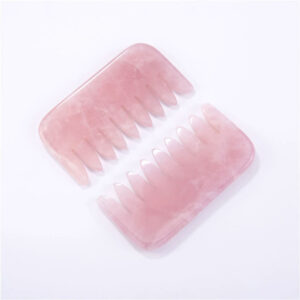
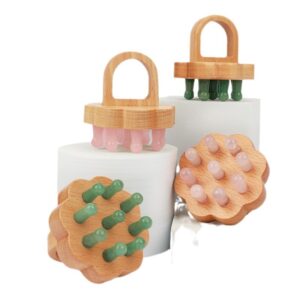
While your fingers are always available, a dedicated scalp massage tool can target pressure points more precisely and deliver a more consistent sensation. For instance, the Rootli Stone Comb – Scalp Gua Sha combines the benefits of massage with the cooling, soothing feel of stone. Its unique shape fits naturally in your hand, allowing you to glide along the scalp with gentle pressure. Alternatively, the Root Sculptor Premium Pink Scalp Comb – Gua Sha Massager offers a gua sha-inspired approach, using a flat edge to scrape (in a good way) along the scalp and relieve tension. Both tools turn a simple massage into a ritual you’ll look forward to.
Shop the scalp ritual
Gua Sha for Scalp: An Ancient Technique Meets Modern Hair Care
You’ve likely heard of gua sha for the face—a traditional Chinese practice that involves scraping the skin with a smooth-edged tool to promote circulation and reduce puffiness. The same principle applies to the scalp. Scalp gua sha uses gentle, sweeping motions to stimulate blood flow, release muscle tension, and encourage a balanced-feeling scalp.
Unlike facial gua sha, which often focuses on lymph drainage, scalp gua sha targets the fascia and muscles of the scalp. This can be especially beneficial for anyone who clenches their jaw or holds tension in their head. As you move the tool from the hairline toward the back of the neck, you’re not just boosting circulation—you’re also inviting relaxation.
How to Incorporate Gua Sha Into Your Routine
Start with a clean, dry scalp (or apply a lightweight serum for extra glide). Using your chosen gua sha comb, apply light to medium pressure in upward strokes from the nape of the neck to the crown, and from the forehead toward the top of the head. Focus on areas that feel tight or sensitive. Spend about three minutes total, alternating sides. The key is to move slowly and listen to your scalp—no need to press hard.
Many people find that a morning gua sha session wakes them up, while an evening one helps them unwind. Either way, consistency is what makes the difference. Over time, you may notice your scalp feels less tight, your hair seems to have more volume, and your overall sense of well-being improves.
Building Your Scalp Massage Ritual: Tools and Techniques
To make scalp massage and gua sha a lasting part of your hair care routine, it helps to have a plan. Here’s a simple structure you can adapt to your lifestyle:
- Frequency: Aim for 3–5 times per week. Even two minutes a day can yield benefits.
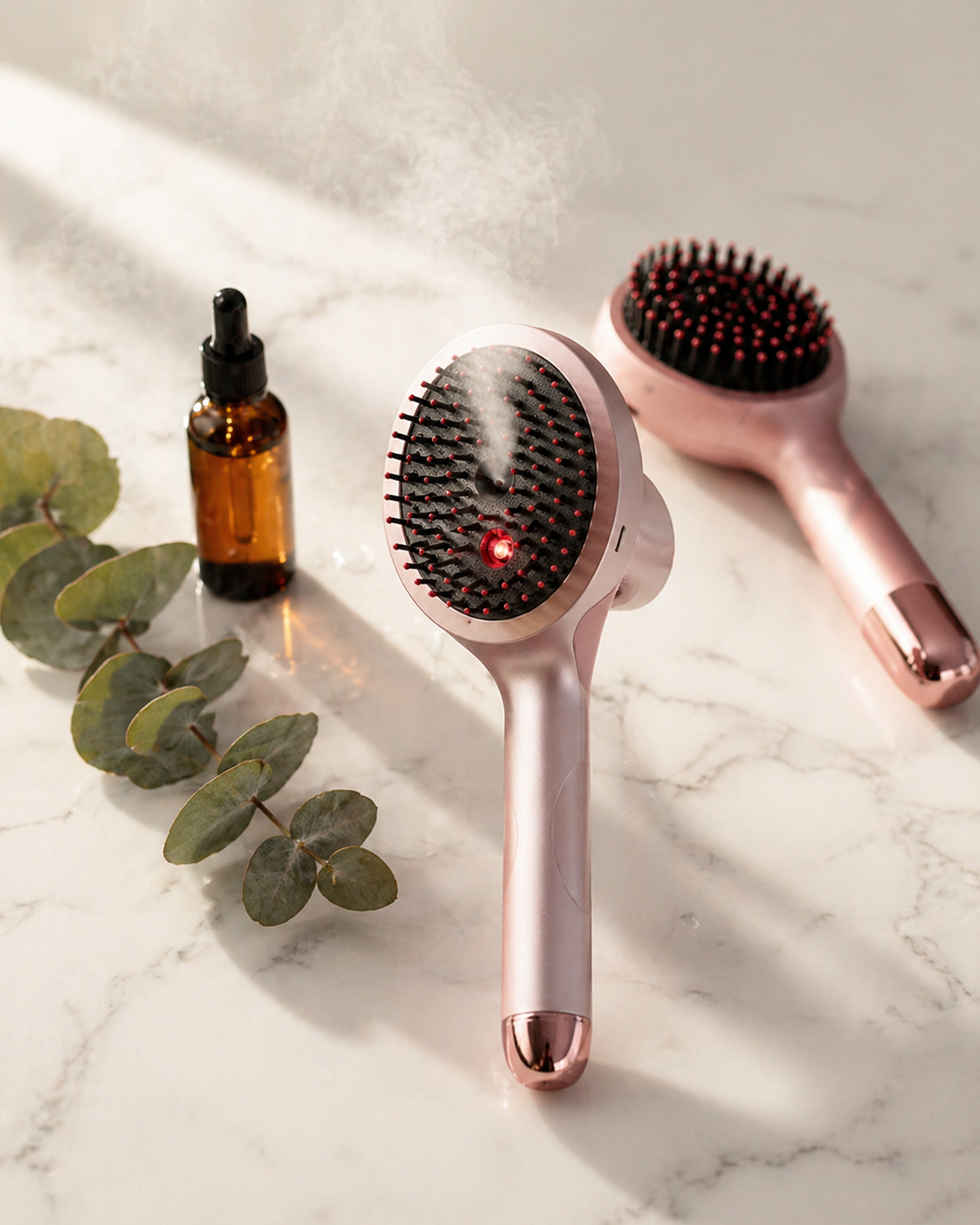
- Preparation: Start with dry hair or after applying a serum. If you’re using a tool like the Rootli Serum Comb, it can disperse product while massaging—two steps in one.
- Technique: Use your fingertips or a tool to make small, circular motions across the entire scalp. Follow with downward strokes from crown to neck to encourage relaxation.
- Post-massage: Take a moment to breathe deeply. Notice any sensations—warmth, tingling, or simply relaxation. That’s your scalp responding.
If you prefer a hands-free approach, consider the Rootli Pulse Pro – LED Light Cap, which combines light therapy with the convenience of a cap you can wear while relaxing, reading, or doing chores. But for a truly tactile, mindful practice, a manual tool like the Root Sculptor Premium Pink Scalp Comb offers a direct connection with your scalp.
The Bigger Picture: Scalp Health and Hair Confidence
Why does all this matter? Because a healthy scalp is the foundation for hair that looks and feels its best. When circulation is flowing, the hair follicles receive the support they need to produce strong, glossy-looking strands. You may also notice that your scalp feels more comfortable—less itchy, dry, or tight.
But beyond the physical benefits, there’s something deeply satisfying about taking time for yourself. In a world that demands so much, a daily scalp massage or gua sha ritual is a small act of rebellion—a moment that says, “I matter.” And when your hair looks fuller and feels healthier, that confidence radiates outward.
Ready to start your own circulation ritual? Explore Rootli Stone Comb – Scalp Gua Sha and Root Sculptor Premium Pink Scalp Comb – Gua Sha Massager to find the perfect tool for your practice. Your scalp—and your hair—will thank you.